Transplant Diagnostics Market Size & Forecasts 2026-2035, By Segments (Product Type, Technology, Application, End-User), Growth Opportunities, Innovation Landscape, Regulatory Shifts, Strategic Regional Insights (U.S., Japan, China, South Korea, UK, Germany, France), and Competitive Dynamics (Thermo Fisher Scientific, Abbott Laboratories, Qiagen, Roche, Bio-Rad Laboratories)
Jump to Content
Market Size and Growth Outlook
Transplant Diagnostics Market size is expected to advance from USD 7.53 billion in 2025 to USD 14.95 billion by 2035, registering a CAGR of more than 7.1% across 2026-2035. By 2026, the industry is anticipated to generate USD 8 billion in revenue.
Get more details on this report
Request Free Sample ReportTransplant Diagnostics Market Intelligence Snapshot
Regional Market Dynamics
Segment Momentum
Market Expansion Drivers
Leading Market Participants
Global Market Forecast Snapshot
Market Outlook
Regional and Segment Outlook
Market Growth Drivers and Industry Trends
The increasing prevalence of organ transplantation has amplified the necessity for precise compatibility testing and continuous post-transplant monitoring, driving demand within the transplant diagnostics market. As reported by the United Network for Organ Sharing (UNOS), the number of transplants performed globally continues to rise, intensifying the need for reliable immunological assays to prevent rejection and improve patient outcomes. This trend encourages established biotech firms and new entrants to innovate around sensitivity and specificity in HLA typing and donor-recipient matching technologies. Strategically, companies can leverage advancements in biomarker discovery and personalized diagnostics to expand portfolios and address diverse patient cohorts. The transplant diagnostics market is poised to capitalize on this imperative for precision, underscoring the ongoing shift toward tailored immunosuppressive therapies and better graft survival rates across geographies.
Adoption of Advanced Transplant Diagnostic Tools
Rapid integration of high-throughput sequencing, digital pathology, and multiplex assays has redefined the diagnostic capabilities within the transplant diagnostics market. Roche Diagnostics’ recent launch of next-generation sequencing platforms exemplifies how cutting-edge technologies facilitate comprehensive immunogenetic profiling, enhancing diagnostic accuracy and operational efficiencies for transplant centers. These innovations meet evolving clinical demands for faster, more reliable testing with reduced turnaround times, responding to heightened scrutiny from regulatory agencies such as the U.S. Food and Drug Administration. Participants in the market can harness this digital transformation by investing in interoperability solutions and data analytics, enabling predictive insights and streamlined workflows. This progressive shift is expected to underpin competitive differentiation and accelerate adoption rates, reinforcing a technology-driven evolution in transplant diagnostics.
Expansion of Transplant Centers in Emerging Regions
The geographic expansion of transplant centers, notably across Asia-Pacific and Latin America as documented by the World Health Organization, is a significant growth driver reshaping the transplant diagnostics market landscape. Increasing healthcare investments and policy reforms, such as India’s National Organ and Tissue Transplant Organization initiatives, are facilitating broader access to advanced transplantation services. This regional spread increases demand for affordable, easy-to-deploy diagnostic solutions that address local infrastructural limitations and diverse patient populations. For global and regional players alike, this trend presents strategic opportunities to develop scalable, cost-effective platforms and tailor services to emerging market needs. The transplant diagnostics market will continue to evolve in alignment with global healthcare decentralization, underpinned by growing transplant activity and improving diagnostic infrastructure in these high-potential regions.
Industry Restraints:
Complex Regulatory Approval Processes
The transplant diagnostics market faces significant delays and cost burdens due to stringent regulatory approval processes imposed by agencies such as the U.S. Food and Drug Administration (FDA) and the European Medicines Agency (EMA). These bodies require extensive clinical validation to ensure diagnostic accuracy and safety, often prolonging time-to-market and inflating development costs. For example, FDA’s rigorous guidelines for in vitro diagnostics impose substantial hurdles on innovative assays, constraining agile market entry. This complexity disproportionately affects smaller biotech firms lacking resources, consolidating market power among larger players capable of enduring protracted review cycles. Strategically, companies must allocate significant resources to regulatory affairs and adapt product development to evolving standards, hindering rapid innovation and competitive diversity. Given the ongoing tightening of quality and data integrity standards globally, regulatory hurdles will continue to shape the transplant diagnostics landscape by reinforcing high barriers to entry and driving cautious commercialization approaches.
Limited Reimbursement and Adoption Barriers
Reimbursement inconsistencies and payer skepticism remain a critical restraint for transplant diagnostics, directly impacting clinical adoption rates. Health insurers and national health systems frequently delay coverage for novel diagnostic tests, citing insufficient cost-effectiveness evidence, as highlighted in reports from the Centers for Medicare & Medicaid Services (CMS) and Germany’s Federal Joint Committee (G-BA). This uncertainty discourages hospitals and transplant centers from integrating advanced diagnostics, despite their clinical utility in reducing graft rejection risks. Market incumbents face pressure to produce robust health economics data, while new entrants struggle to establish payer relationships and justify upfront costs. Consequently, slow reimbursement approval restricts market penetration and inhibits revenue growth. In the near term, unless harmonized coverage frameworks and outcome-based reimbursement models advance, adoption delays will persist, reinforcing cautious investment and limiting the pace of patient access expansion in transplant diagnostics.
| Growth Driver | Impact on CAGR | Regulatory Influence | Geographic Relevance | Adoption Rate | Impact Timeline |
|---|---|---|---|---|---|
| Growing need for transplant compatibility and monitoring | 2.50% | Short term (≤ 2 yrs) | North America, Europe | Medium | Fast |
| Adoption of advanced transplant diagnostic tools | 2.80% | Medium term (2–5 yrs) | North America, Europe, Asia Pacific | Medium | Moderate |
| Expansion of transplant centers in emerging regions | 1.80% | Long term (5+ yrs) | Asia Pacific, Latin America | Low | Moderate |
Explore Growth Opportunities
Request Free Sample ReportRegional Demand Dynamics
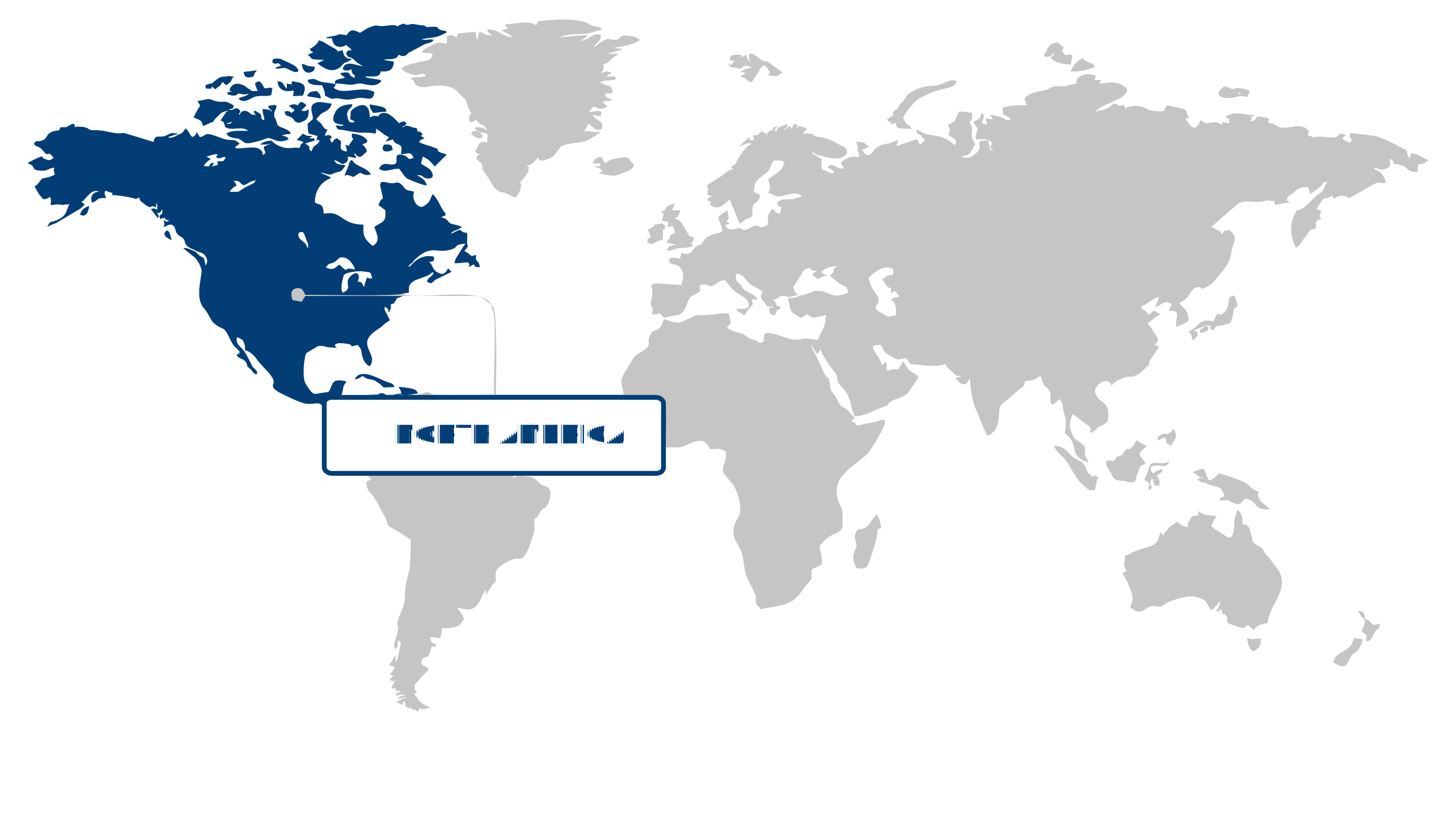
North America dominated the transplant diagnostics market in 2025, capturing over 58.7% of the global share, making it the largest regional market. Growth is propelled by an increasing volume of organ transplant procedures combined with significant advancements in molecular diagnostics technologies. This region’s leadership stems from strong healthcare infrastructure, substantial investment in biotech innovation, and evolving clinical guidelines that prioritize precision diagnostics. For example, the American Society of Transplantation emphasizes molecular assays for early graft rejection detection, fueling demand. The presence of key industry players such as Abbott Laboratories and Thermo Fisher Scientific, alongside robust reimbursement frameworks by agencies like the Centers for Medicare & Medicaid Services, further enables market expansion. North America’s capacity to integrate cutting-edge diagnostics into routine transplant care and adapt swiftly to regulatory changes suggests sustained commercial opportunities in the transplant diagnostics market.
The United States anchors the North American transplant diagnostics market, driven by rising transplant procedures and widespread adoption of molecular diagnostic platforms. Its dynamic regulatory environment, led by the U.S. Food and Drug Administration's accelerated review pathways for novel diagnostics, stimulates innovation and market entry. Companies like Illumina and Natera have launched advanced genomic-based transplant monitoring tools, reflecting rising clinical demand. Furthermore, patient advocacy groups such as the United Network for Organ Sharing influence policy and expand access to diagnostics, enhancing market effectiveness. These dynamics emphasize the U.S. as a critical node for competitive strategy and investment, reinforcing North America’s dominant role in the transplant diagnostics market.
Asia Pacific Market Analysis:
Asia Pacific emerged as the fastest-growing region in the transplant diagnostics market, registering a robust CAGR of 8.5%. This rapid expansion is largely fueled by a significant surge in transplantation procedures, propelled by improvements in healthcare infrastructure and rising disposable incomes across the region. Governments and private sectors are continuously investing in advanced medical facilities and diagnostic technologies, enhancing accessibility and affordability for a growing patient base. According to the World Health Organization, initiatives like the Asia Pacific Transplant Coordinators Organization have contributed to streamlined transplant coordination and post-transplant care protocols. Furthermore, increasing health awareness and expanding insurance coverage support consumer demand for precise transplant diagnostics. These combined dynamics position Asia Pacific as a high-potential market, where advancements in technology adoption and healthcare delivery are expected to sustain strong growth momentum in the transplant diagnostics market.
Japan plays a pivotal role in Asia Pacific’s transplant diagnostics market, driven by its sophisticated healthcare system and high disposable income levels, which facilitate broad access to advanced diagnostic solutions. The country’s regulatory environment, guided by the Pharmaceuticals and Medical Devices Agency (PMDA), promotes innovation while maintaining strict safety standards. For instance, companies like Sysmex Corporation have recently expanded their transplant diagnostics portfolio in Japan, underscoring the country’s leadership in adopting cutting-edge technologies. Additionally, Japan’s aging population increases demand for organ transplants, emphasizing the necessity for accurate diagnostics to monitor transplant success and rejection. Consequently, Japan’s blend of technological readiness and demographic trends reinforces Asia Pacific’s position as a lucrative market for transplant diagnostics.
China commands substantial influence within Asia Pacific’s transplant diagnostics landscape due to its massive population and rapidly evolving healthcare infrastructure. The government’s ongoing reforms, such as the Healthy China 2030 initiative, prioritize transplant services and diagnostics, driving increased procedural volumes and technological uptake. Rising disposable income, particularly among urban residents, facilitates greater affordability and patient willingness to seek specialized diagnostic assessments. Chinese companies like BGI Genomics have significantly advanced next-generation sequencing technologies relevant for transplant diagnostics, reflecting the market’s innovation pace. These developments, combined with expanding insurance schemes, enhance patient access and create a fertile environment for transplant diagnostics growth. China’s scale and modernization efforts substantiate the Asia Pacific region’s overall momentum and future opportunities in this market.
Europe Market Trends:
Europe maintained a notable presence in the transplant diagnostics market, driven by its mature healthcare infrastructure and progressive regulatory frameworks that encourage the adoption of advanced diagnostic technologies. The region benefits from increasing investment in personalized medicine and robust public health funding, as evidenced by the European Medicines Agency’s emphasis on innovation in transplantation technologies. Moreover, efforts to integrate digital health records and streamline organ matching processes, as highlighted in the European Society for Organ Transplantation reports, have enhanced diagnostic precision and operational efficiency. Demographic trends toward aging populations further sustain demand, while strategic collaborations between academic institutions and biotech firms bolster innovation. These factors collectively position Europe as a region with significant opportunities to leverage evolving diagnostic capabilities and improve transplant outcomes, ensuring steady growth prospects amid shifting healthcare priorities.
Germany plays a pivotal role in Europe’s transplant diagnostics market, driven by its strong emphasis on technological innovation and comprehensive healthcare coverage. The country benefits from supportive policies facilitating the rapid adoption of novel diagnostic assays, as evidenced by Roche Diagnostics’ recent launch of a transplant monitoring platform tailored for German clinical settings. Additionally, Germany’s extensive network of transplant centers and well-established reimbursement protocols encourage widespread utilization of advanced diagnostics. The presence of a skilled workforce and close collaboration between research institutions and industry further accelerates market development. These dynamics underscore Germany’s strategic importance as a key driver of regional growth, positioning it to lead in the integration of next-generation diagnostic solutions within Europe’s transplant ecosystem.
France also contributes significantly to the European transplant diagnostics market, with its proactive health policy environment and growing emphasis on precision medicine. The French Agency for Biomedicine has implemented stringent regulatory measures paired with initiatives to enhance donor-recipient matching accuracy, propelling demand for sophisticated diagnostic tools. Collaboration between public hospitals and biotech startups, such as bioMérieux’s expansion of transplant diagnostics capabilities, exemplifies the country’s innovation-centric approach. Moreover, France’s patient-centric healthcare system and investments in digital transformation facilitate seamless diagnostic workflows, supporting moderate but steady market advancement. These attributes enable France to complement regional growth, reinforcing Europe’s prospects as a hub for cutting-edge transplant diagnostics technologies.
| Parameter | North America | Asia Pacific | Europe | Latin America | MEA |
|---|---|---|---|---|---|
| Innovation HubiScaleNascentDeveloping Advanced | |||||
| Cost-Sensitive RegioniScaleLowMedium High | |||||
| Regulatory EnvironmentiScaleRestrictiveNeutral Supportive | |||||
| Demand DriversiScaleWeakModerate Strong | |||||
| Development StageiScaleEmergingDeveloping Developed | |||||
| Adoption RateiScaleLowMedium High | |||||
| New Entrants / StartupsiScaleSparseModerate Dense | |||||
| Macro IndicatorsiScaleWeakStable Strong |
Transplant Diagnostics Market Share (%), by Product Type, 2026
Go beyond the chart, access full insights & data tables
Request Free Sample ReportReagent held the largest share in the transplant diagnostics market in 2025, driven by the rising number of transplant procedures globally that amplify the need for diagnostic reagents and consumables in compatibility and monitoring tests. This segment benefits from the growing preference for reliable and standardized reagent kits, which streamline diagnostics while supporting regulatory compliance across regions. Industry leaders like Thermo Fisher Scientific frequently emphasize reagent innovation in their corporate releases, underscoring the emphasis on quality and reproducibility. The segment creates strategic avenues for both established players and startups aiming to develop cost-effective, scalable solutions. Given the ongoing increase in transplant volumes and evolving diagnostic protocols, reagents will maintain their essential role in supply chains and clinical workflows in the foreseeable future.
Analysis by Technology
PCR represented the largest share in the transplant diagnostics market in 2025, largely because of its entrenched use in routine post-transplant monitoring and the surge in kidney transplants worldwide. The technology offers rapid, sensitive results preferred by clinicians for detecting graft rejection and infections, supported by digital improvements integrating PCR platforms with clinical data systems. Regulatory milestones, including approvals from the U.S. Food and Drug Administration, reinforce PCR's clinical reliability and adoption. Companies like Roche Diagnostics actively promote PCR-based test kits, confirming market confidence. This leadership positions the segment as a strategic focus for innovation in automation and multiplexing, ensuring PCR diagnostics remain integral to transplant care pathways as transplant volumes and technological integration continue to expand.
Analysis by Application
HLA typing held the largest share in the transplant diagnostics market in 2025, driven by the increased volume of organ and stem cell transplants requiring precise donor-recipient compatibility assessment. The segment’s leadership reflects a widespread demand for high-resolution HLA genotyping methods that improve transplant outcomes, supported by international guidelines from bodies like the World Marrow Donor Association. Enhanced automation and data analytics tools have been increasingly incorporated, addressing workforce efficiencies and accuracy. Major players such as One Lambda regularly highlight advancements in HLA diagnostics through press releases, demonstrating ongoing innovation. This segment offers compelling opportunities for firms focusing on next-generation precision tests and personalized transplant protocols and remains vital as transplant procedures become more sophisticated and globally accessible.
| Segment | Sub-Segment | Largest Segment | Fastest Growing |
|---|---|---|---|
| Product Type | Instrument, Software, Reagent | ||
| Technology | NGS, PCR, Sanger Sequencing | ||
| Application | Blood Profile, HLA, Pathogen Detection | ||
| End-User | Research Laboratories and Academic Institutes, Hospitals and Transplant Centers, Commercial Service Providers |
Unlock insights tailored to your business with our bespoke market research solutions.
Click to get your customized report now.
Competitive Landscape and Market Positioning
The competitive landscape is marked by continuous investment in developing highly sensitive and rapid diagnostic platforms tailored to transplantation needs. The top players frequently expand their offerings through dynamic alliances and acquisitions, enhancing both technological capabilities and geographical reach. For instance, collaborations integrating next-generation sequencing and biomarker discovery underscore a push toward personalized transplant monitoring. Concerted efforts in R&D facilitate the launch of nuanced products that improve graft survival rates, while strategic moves to enter emerging markets fortify global competitiveness. These initiatives collectively foster an environment of accelerated innovation and heightened market differentiation.
Strategic / Actionable Recommendations for Regional Players
In North America, strengthening collaborations with academic institutions and transplant centers could accelerate clinical validation of cutting-edge diagnostics. Leveraging advances in AI and digital pathology may optimize transplant rejection prediction, bolstering competitive edges amid established key players. Emphasizing integration with electronic health records could also improve post-transplant monitoring, enhancing care coordination.
Asia Pacific stakeholders should prioritize partnerships with biotechnology firms specializing in genomics and molecular diagnostics to harness regional genetic diversity insights. Expanding into underserved markets by tailoring solutions to local healthcare infrastructure will drive adoption. Incorporating cost-effective sequencing technologies could address affordability challenges and catalyze broader market penetration.
European players might benefit from aligning with regulatory and reimbursement bodies to streamline market entry for novel diagnostics. Advanced multi-omics approaches that complement traditional assays could distinguish offerings within the crowded landscape. Integrating patient-centric platforms focusing on real-world transplant outcomes data could further solidify market positioning and innovation leadership.
| Company | Market Share | Company Revenue | Revenue CAGR (%) | Product Portfolio | Geographic Presence | Innovation / R&D Focus | Strategic Developments |
|---|---|---|---|---|---|---|---|
| No companies available. | |||||||
Customize Your Report
Explore examples of how this report can be tailored to different research needs, including custom segments, additional topics or chapters, and related reports. Click a section of the wheel or its numbered marker to explore the available options.
Transplant Diagnostics Market — Custom Segments
| Segment | Sub-Segment |
|---|---|
| No segment data available. | |
Transplant Diagnostics Market — Custom TOC
| Custom Chapter | Chapter Details |
|---|---|
| No custom TOC data available. | |
Need a different cut of the data?
Request Custom ResearchFrequently Asked Questions
What is the projected value of the transplant diagnostics industry by 2035?
Which territory dominates the transplant diagnostics market share rankings?
In which region is the transplant diagnostics sector expanding at the quickest pace?
Where is the reagent segment seeing the strongest adoption within the transplant diagnostics industry?
When did PCR sub-segment emerge as the largest sub-segment in the technology segment of transplant diagnostics sector?
Why is the HLA segment leading in the transplant diagnostics industry?
Why does commercial service providers sub-segment dominate the end-user segment of transplant diagnostics sector?
Who are the leading players in the transplant diagnostics landscape?
Our Clients
"The team took the time to understand our specific business needs and delivered a report that was well aligned with our objectives. Their expertise and understanding of the industry were clearly reflected in the quality and relevance of the insights provided."
Siemens Healthcare
"Our experience in acquiring the research report has been excellent. The depth of analysis, and actionable insights provided have been extremely valuable in supporting our ongoing R&D efforts."
GC Biopharma
"The report offered a comprehensive view of the market trends. The in-depth segmentation and analysis of emerging opportunities gave us a better understanding of the market."
Medtronic
Our Research Team & Methodology
Every Fundamental Business Insights report is built by a dedicated vertical research team, validated through a structured primary-and-secondary methodology, and reviewed for accuracy before it reaches you.
This report was prepared by the Healthcare & Medical Devices Research Team at Fundamental Business Insights, a dedicated research group specializing in the global healthcare and medical technology industry. Our analysts continuously monitor advancements in medical technologies, clinical adoption trends, regulatory developments, reimbursement policies, healthcare infrastructure investments, competitive strategies, and evolving patient care requirements to deliver timely and reliable market intelligence. The research is developed using a structured methodology that combines primary discussions with healthcare stakeholders, company financial disclosures, regulatory publications, clinical literature, government healthcare databases, medical associations, and other authoritative secondary sources. Market estimates are validated through multiple research techniques, including top-down and bottom-up analysis, before undergoing an internal quality review to ensure accuracy, consistency, and methodological integrity prior to publication.
Delivery
Published
Available
Support
- Market Size & Forecast
- Market Segmentation
- Regional Analysis
- Growth Drivers & Challenges
- Market Dynamics
- Competitive Landscape
- Company Profiles
- Competitive Benchmarking
- Mergers & Acquisitions
- Market Share Analysis or Key Company Strategies
- Value Chain Analysis
- Porter's Five Forces
- PESTLE Analysis
- Pricing Trends
- Supply-Demand Analysis
- Technology Landscape
- Regulatory Landscape
- Investment & Funding Landscape
- Emerging Opportunities
- Future Market Outlook