Tuberculin Market Size & Forecasts 2026-2035, By Segments (Application, Type), Growth Opportunities, Innovation Landscape, Regulatory Shifts, Strategic Regional Insights (U.S., Japan, China, South Korea, UK, Germany, France), and Competitive Dynamics (Thermo Fisher Scientific, Zoetis, Merck & Co., Boehringer Ingelheim, IDvet)
Jump to Content
Market Size and Growth Outlook
Tuberculin Market size is expected to advance from USD 352.77 million in 2025 to USD 625.82 million by 2035, registering a CAGR of more than 5.9% across 2026-2035. By 2026, the industry is anticipated to generate USD 370.88 million in revenue.
Get more details on this report
Request Free Sample ReportTuberculin Market Intelligence Snapshot
Regional Market Dynamics
Segment Momentum
Market Expansion Drivers
Leading Market Participants
Global Market Forecast Snapshot
Market Outlook
Regional and Segment Outlook
Market Growth Drivers and Industry Trends
The resurgence of tuberculosis in high-risk regions is a critical growth driver for the tuberculin market. Countries with elevated TB incidence, such as India and South Africa, face increased demand for reliable diagnostic tools. According to the World Health Organization (WHO), the persistence of TB, exacerbated by socio-economic challenges and HIV co-infection rates, sustains pressure on healthcare systems to adopt consistent screening measures. This creates strategic openings for market players to expand product accessibility and tailor solutions to regional needs. Established companies with robust distribution networks can consolidate their presence, while new entrants can capitalize on unmet demand through focused innovation. Emerging trends indicate sustained emphasis on TB control in endemic regions, signaling ongoing market expansion opportunities driven by public health imperatives.
Government TB Screening Programs
Government-initiated tuberculosis screening programs significantly accelerate the tuberculin market's evolution. Agencies such as the Centers for Disease Control and Prevention (CDC) and the National Tuberculosis Control Program (NTP) in various countries actively promote routine testing as part of public health policy. These programs increase demand for tuberculin products by integrating testing into national healthcare frameworks and encouraging widespread screening. This regulatory backing fosters a competitive environment where manufacturers must innovate to meet compliance standards and improve test reliability. Both incumbents and startups can leverage public-sector contracts and partnerships to secure stable revenue streams. Looking ahead, expanding government initiatives underscore the importance of scalable, cost-effective tuberculin solutions aligned with global TB eradication goals.
Introduction of Rapid Tuberculin Testing Solutions
Innovations in rapid tuberculin testing technology represent a transformative growth driver within the tuberculin market. The launch of faster, more accurate diagnostic kits by companies like Abbott Laboratories enhances patient outcomes by reducing the window for TB diagnosis and treatment initiation. This aligns with healthcare providers’ increasing preference for point-of-care solutions that streamline workflows and improve patient compliance. Such advancements enable companies to differentiate product offerings amid intensifying market competition and evolving clinical demands. Early adopters of rapid testing technologies can access premium market segments and expand partnerships with healthcare institutions. Given continuous progress in diagnostic device miniaturization and digital integration, rapid tuberculin testing is set to become a cornerstone of future TB diagnostic strategies.
Industry Restraints:
Regulatory Complexity and Stringent Compliance Requirements
The tuberculin market is significantly constrained by the complex regulatory landscape governing diagnostic agents, which imposes rigorous testing, approval, and quality assurance protocols. Regulatory authorities such as the U.S. Food and Drug Administration (FDA) and the European Medicines Agency (EMA) demand extensive clinical data and manufacturing validation, often resulting in protracted approval timelines and higher development costs. For instance, Sanofi Pasteur has publicly reported delays in obtaining regulatory clearance for next-generation tuberculin products, underscoring the operational bottlenecks. These stringent requirements restrict rapid market entry for new players and limit innovation scope for incumbents, thereby maintaining a high barrier to competition. As regulatory frameworks evolve, especially concerning biosafety and batch consistency standards, companies must strategically invest in compliance capabilities, which will continue to moderate market dynamism and favor well-resourced entities over smaller competitors.
Supply Chain Constraints Due to Manufacturing Complexity and Raw Material Dependence
Tuberculin production relies heavily on precise microbial culture processes and specialized raw materials, creating supply chain vulnerabilities that restrict market expansion. The World Health Organization (WHO) has highlighted occasional shortages of purified protein derivative (PPD) raw materials, which disrupt supply continuity and increase costs. Manufacturing complexities, including stringent cold chain requirements and batch-to-batch consistency challenges, frequently lead to production inefficiencies and limited scalability, as observed in disruptions faced by major manufacturers like Statens Serum Institut. For market participants, these constraints inflate operational risks and curtail responsiveness to sudden demand surges, disadvantaging smaller manufacturers who lack resilient sourcing networks. Moving forward, the supply chain fragility will remain a key restraint, compelling stakeholders to enhance vertical integration and supply diversification strategies to maintain market stability.
| Growth Driver | Impact on CAGR | Regulatory Influence | Geographic Relevance | Adoption Rate | Impact Timeline |
|---|---|---|---|---|---|
| Rising tuberculosis prevalence in high-risk regions | 2.00% | Short term (≤ 2 yrs) | Asia Pacific, Africa | Medium | Fast |
| Government TB screening programs | 1.50% | Medium term (2–5 yrs) | North America, Europe, Asia Pacific | High | Moderate |
| Introduction of rapid tuberculin testing solutions | 2.00% | Long term (5+ yrs) | Europe, North America | Medium | Moderate |
Explore Growth Opportunities
Request Free Sample ReportRegional Demand Dynamics
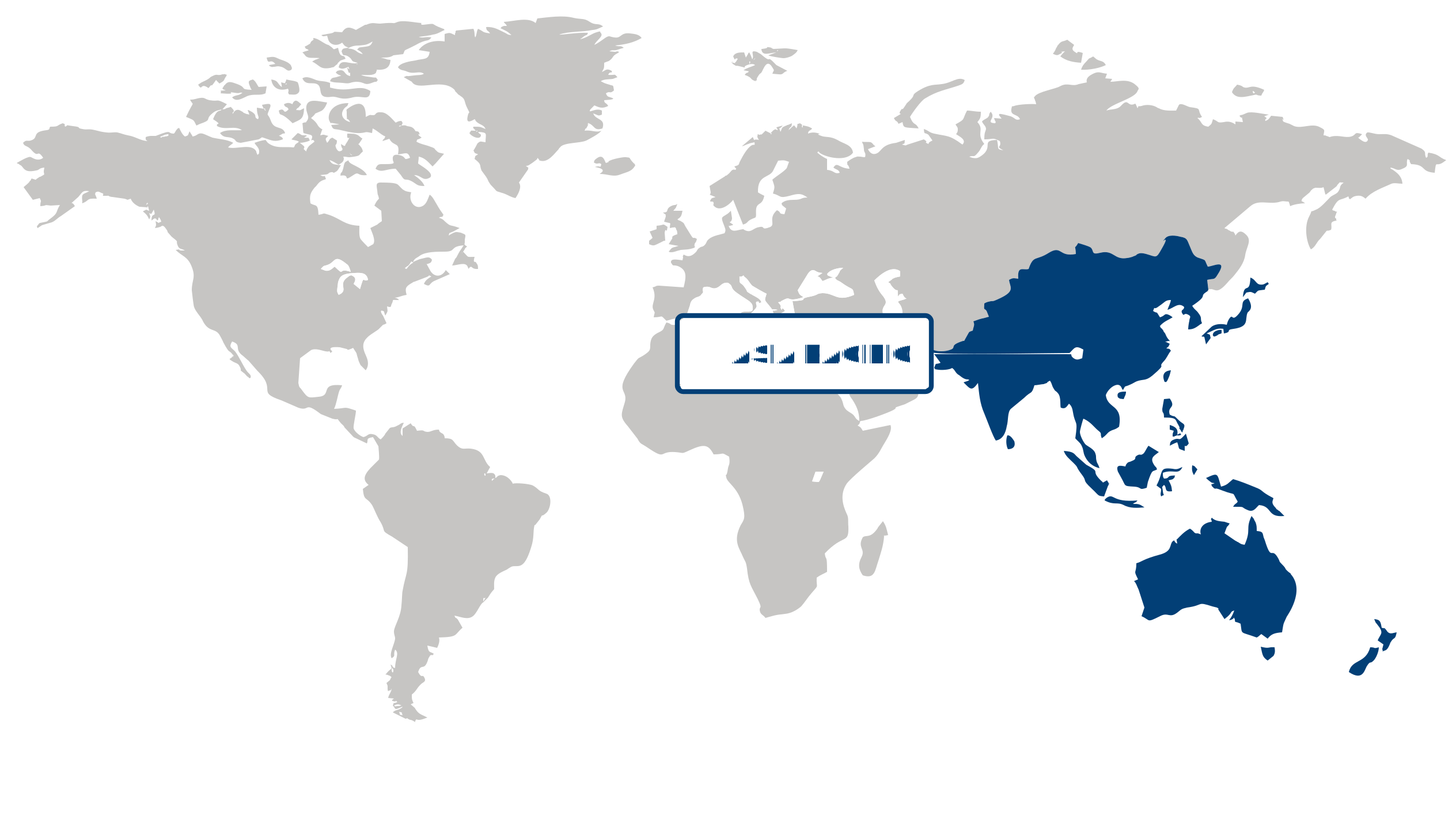
The Asia Pacific tuberculin market captured more than 40% of the global market in 2025, cementing its position as the largest and fastest-growing region with a 6.8% CAGR. This leadership is primarily driven by expanding healthcare infrastructure and intensified tuberculosis screening initiatives, notably in countries aiming to curb TB prevalence. For instance, the World Health Organization’s collaboration with the Indian government highlights regional commitments to enhanced TB diagnostics. Technological progress in diagnostic methods, coupled with increased healthcare spending and regulatory support, fuels demand for tuberculin products. Moreover, growing urbanization and rising awareness about TB infection control foster consistent market expansion. These dynamics, together with advancements in supply chain and distribution networks by key players such as Serum Institute of India, underscore Asia Pacific's significant long-term potential, making the region highly attractive for investors aiming to capitalize on robust, evolving healthcare needs.
Japan plays a pivotal role in the Asia Pacific tuberculin market, driven by sophisticated healthcare infrastructure and stringent regulatory frameworks that emphasize early TB detection and control. The Ministry of Health, Labour and Welfare supports extensive screening programs, fostering steady demand for high-quality tuberculin reagents. Japan's emphasis on innovation and quality assurance aligns with evolving diagnostic standards, strengthening the local supply ecosystem. Corporate initiatives, like those from Denka Company Limited, reflect strategic investments in improving tuberculin test accuracy and availability. This enhances Japan’s standing as a vital hub, providing technological and regulatory benchmarks that bolster regional growth prospects. Consequently, Japan’s role reinforces Asia Pacific’s leadership in the tuberculin market, particularly by setting quality and compliance standards.
China significantly influences the Asia Pacific tuberculin market, propelled by large-scale public health campaigns aimed at reducing the high TB incidence rate. The National Health Commission of China actively promotes routine TB screening, increasing demand for tuberculin products. China's expanding healthcare infrastructure, especially in rural areas, facilitates wider access to diagnostic tests, driving market penetration. Focus on digital health integration and faster diagnostic turnaround times, as evinced by initiatives from the Chinese Center for Disease Control and Prevention, enhance operational efficiencies and patient outcomes. Competitive dynamics also intensify as local manufacturers innovate to meet public health needs cost-effectively. China’s expansive patient base and governmental backing solidify its strategic importance and contribute fundamentally to the Asia Pacific region’s dynamic growth outlook in the tuberculin market.
North America Market Analysis:
North America emerged as the fastest-growing region in the tuberculin market, registering a robust CAGR of 6.2%. This growth is predominantly driven by increasing government initiatives aimed at tuberculosis (TB) control, coupled with heightened public awareness about TB prevention. The Centers for Disease Control and Prevention (CDC) has recently expanded funding for latent TB infection screening programs, which has significantly boosted demand for tuberculin products. Moreover, the integration of advanced diagnostic techniques supported by companies like Abbott Laboratories further strengthens market dynamics. The region’s sophisticated healthcare infrastructure and stringent regulatory environment ensure reliable supply chains and high-quality product standards. As North America continues to prioritize early TB detection through innovative solutions and digital health integration, it offers considerable opportunities for stakeholders investing in tuberculin market expansion.
The U.S. plays a pivotal role in reinforcing North America’s leadership in the tuberculin market through robust governmental policies and widespread adoption of screening programs. The recent expansion of the National Tuberculosis Indicators Project by the CDC focuses on improving detection rates by leveraging tuberculin skin testing across vulnerable populations. Pharmaceutical players like Sanofi have responded by enhancing distribution channels and introducing cost-effective tuberculin formulations, catering to rising demand in both urban and rural healthcare settings. Regulatory support from the FDA ensures fast approval cycles for novel skin test reagents, encouraging innovation. This proactive stance uniquely positions the U.S. to sustain regional growth momentum and capitalize on increasing preventive healthcare budgets, driving further advancements in the tuberculin market across North America.
Europe Market Trends:
Europe held a substantial share in the tuberculin market, driven by the region’s advanced healthcare infrastructure and stringent tuberculosis control programs. The growing emphasis on early and accurate TB diagnosis has led to sustained demand for reliable tuberculin testing solutions. Regulatory frameworks, spearheaded by bodies like the European Medicines Agency, have facilitated the adoption of standardized and safe diagnostic kits, ensuring patient safety and enhancing trust. Additionally, countries within Europe benefit from efficient supply chains and collaborative research initiatives supported by entities such as the European Centre for Disease Prevention and Control (ECDC). These factors, coupled with increasing public health investment amid rising awareness of latent and active tuberculosis cases, position Europe as a dynamic hub offering significant growth opportunities in the tuberculin market.
Germany plays a pivotal role in Europe’s tuberculin market, underpinned by robust healthcare policies and technological advancements in diagnostic products. The country’s commitment to comprehensive TB screening, as endorsed by the Robert Koch Institute, has stimulated demand for tuberculin solutions tailored to both clinical and occupational health settings. Germany’s well-established pharmaceutical manufacturing sector and logistics networks further enhance product availability and distribution efficiency. For instance, companies like Behring Diagnostics have expanded their tuberculin product lines to meet stringent local standards. Germany’s leadership in product innovation and regulatory compliance solidifies its position as a core driver of regional market momentum and a foundation for broader European expansion.
France represents a significant contributor to the European tuberculin market through proactive public health strategies and investment in tuberculosis detection technologies. The French National Public Health Agency (Santé publique France) actively promotes TB screening programs, driving the integration of advanced tuberculin tests into routine healthcare practices. Additionally, France’s emphasis on digital health solutions complements traditional diagnostic methods by improving data management and patient follow-up protocols. French manufacturers and distributors, such as bioMérieux, have leveraged this environment to introduce novel and efficient tuberculin testing kits, responding to evolving clinical needs. France’s approach to combining regulatory rigor with technological adoption strengthens Europe’s overall market resilience and prospects in diagnosing and managing tuberculosis.
| Parameter | North America | Asia Pacific | Europe | Latin America | MEA |
|---|---|---|---|---|---|
| Innovation HubiScaleNascentDeveloping Advanced | |||||
| Cost-Sensitive RegioniScaleLowMedium High | |||||
| Regulatory EnvironmentiScaleRestrictiveNeutral Supportive | |||||
| Demand DriversiScaleWeakModerate Strong | |||||
| Development StageiScaleEmergingDeveloping Developed | |||||
| Adoption RateiScaleLowMedium High | |||||
| New Entrants / StartupsiScaleSparseModerate Dense | |||||
| Macro IndicatorsiScaleWeakStable Strong |
Tuberculin Market Share (%), by Application, 2026
Go beyond the chart, access full insights & data tables
Request Free Sample ReportHuman use represented the largest share of the tuberculin market in 2025, driven primarily by the global tuberculosis screening programs prioritizing human diagnostics. This leadership reflects the heightened emphasis on early detection and control of TB in human populations by entities like the World Health Organization and national health ministries. Demand for reliable, standardized tuberculin tests aligns with public health mandates and expanding screening initiatives in high-burden countries. The segment benefits from robust supply chains and continuous regulatory approvals supporting widespread Mantoux test adoption. For established firms and new entrants, human use offers strategic opportunities in developing innovative, compliant testing reagents catering to increasing screening coverage. Given ongoing global efforts to eliminate tuberculosis and strengthen healthcare access, this segment is expected to maintain its prominence and critical relevance in the medium term.
Analysis by Type
PPD-S held the largest share of the tuberculin market in 2025, reflecting its widespread clinical use in Mantoux testing worldwide. This dominance is anchored in PPD-S’s recognized standardization and reliability, endorsed by regulatory authorities such as the U.S. Food and Drug Administration and the European Medicines Agency, facilitating its adoption across diverse healthcare settings. The segment’s success is further supported by consistent demand from national TB control programs and integration into digital health records, enabling efficient test tracking and reporting. PPD-S presents opportunities for manufacturers to innovate around formulation stability and supply logistics, optimizing cost-effectiveness. With ongoing global prioritization of validated diagnostic tools, the PPD-S segment is positioned to sustain its market leadership through incremental technological enhancements and compliance-driven adoption.
| Segment | Sub-Segment | Largest Segment | Fastest Growing |
|---|---|---|---|
| Application | Human Use, Animal Use | ||
| Type | PPD-S, PPD RT23, Others |
Unlock insights tailored to your business with our bespoke market research solutions.
Click to get your customized report now.
Competitive Landscape and Market Positioning
The competitive environment is shaped by continuous innovation and strategic alignments among the top players, enhancing product efficacy and expanding application scope. Collaborations fostering cross-border knowledge exchange, alongside investments in novel assay platforms, strengthen these companies' innovation pipelines. The introduction of improved, user-friendly diagnostic tools and expanded service offerings further differentiates them, while selective acquisitions optimize their global distribution networks. These dynamic movements collectively accelerate uptake across different healthcare ecosystems, reinforcing market resilience and responsiveness to emerging diagnostic challenges related to tuberculosis.
Strategic / Actionable Recommendations for Regional Players
North American entities could enhance their competitive stance by deepening ties with biotechnology innovators and leveraging cutting-edge molecular diagnostics, thereby refining sensitivity and operational ease. Targeting partnerships that enable integrated diagnostic solutions would broaden their market reach, especially in complex healthcare settings.
In Asia Pacific, players should prioritize tapping into veterinary and zoonotic tuberculosis screening sub-segments, supported by technology-driven diagnostic enhancements tailored to the region’s livestock diversity. Collaborations that facilitate regional manufacturing and distribution can mitigate supply chain constraints and foster sustainable growth.
European companies might benefit by focusing on collaborative R&D initiatives to optimize tuberculin formulations and assays suited to both human and animal health. Aligning with regulatory expertise to navigate diverse market requirements can expedite product introductions and strengthen local market leadership.
| Company | Market Share | Company Revenue | Revenue CAGR (%) | Product Portfolio | Geographic Presence | Innovation / R&D Focus | Strategic Developments |
|---|---|---|---|---|---|---|---|
| No companies available. | |||||||
Customize Your Report
Explore examples of how this report can be tailored to different research needs, including custom segments, additional topics or chapters, and related reports. Click a section of the wheel or its numbered marker to explore the available options.
Tuberculin Market — Custom Segments
| Segment | Sub-Segment |
|---|---|
| No segment data available. | |
Tuberculin Market — Custom TOC
| Custom Chapter | Chapter Details |
|---|---|
| No custom TOC data available. | |
Need a different cut of the data?
Request Custom ResearchFrequently Asked Questions
What is the projected value of the tuberculin industry by 2035?
Which global region commands the highest percentage of the tuberculin market?
In which region is the tuberculin sector expanding most rapidly?
Where is the human use segment seeing the strongest adoption within the tuberculin industry?
When did PPD-S sub-segment emerge as the largest sub-segment in the type segment of tuberculin sector?
Which companies are driving growth in the tuberculin landscape?
Our Clients
"The team took the time to understand our specific business needs and delivered a report that was well aligned with our objectives. Their expertise and understanding of the industry were clearly reflected in the quality and relevance of the insights provided."
Siemens Healthcare
"Our experience in acquiring the research report has been excellent. The depth of analysis, and actionable insights provided have been extremely valuable in supporting our ongoing R&D efforts."
GC Biopharma
"The report offered a comprehensive view of the market trends. The in-depth segmentation and analysis of emerging opportunities gave us a better understanding of the market."
Medtronic
Our Research Team & Methodology
Every Fundamental Business Insights report is built by a dedicated vertical research team, validated through a structured primary-and-secondary methodology, and reviewed for accuracy before it reaches you.
This report was prepared by the Healthcare & Medical Devices Research Team at Fundamental Business Insights, a dedicated research group specializing in the global healthcare and medical technology industry. Our analysts continuously monitor advancements in medical technologies, clinical adoption trends, regulatory developments, reimbursement policies, healthcare infrastructure investments, competitive strategies, and evolving patient care requirements to deliver timely and reliable market intelligence. The research is developed using a structured methodology that combines primary discussions with healthcare stakeholders, company financial disclosures, regulatory publications, clinical literature, government healthcare databases, medical associations, and other authoritative secondary sources. Market estimates are validated through multiple research techniques, including top-down and bottom-up analysis, before undergoing an internal quality review to ensure accuracy, consistency, and methodological integrity prior to publication.
Delivery
Published
Available
Support
- Market Size & Forecast
- Market Segmentation
- Regional Analysis
- Growth Drivers & Challenges
- Market Dynamics
- Competitive Landscape
- Company Profiles
- Competitive Benchmarking
- Mergers & Acquisitions
- Market Share Analysis or Key Company Strategies
- Value Chain Analysis
- Porter's Five Forces
- PESTLE Analysis
- Pricing Trends
- Supply-Demand Analysis
- Technology Landscape
- Regulatory Landscape
- Investment & Funding Landscape
- Emerging Opportunities
- Future Market Outlook