Ultrafiltration Market Size & Growth Forecast 2027–2036, By Segments (Type, Module, Application), Regional Demand Trends (North America, Asia Pacific, Europe), Key Country Insights (U.S., Japan, South Korea, Germany, France, Italy), and Competitive Landscape
Jump to Content
Market Size and Growth Outlook
Ultrafiltration Market size was around USD 3.2 billion in 2026 and is slated to grow at a 5.13% CAGR from 2027 to 2036, exceeding USD 5.28 billion by 2036. The industry revenue for 2027 is calculated at USD 3.34 billion.
Get more details on this report
Request Free Sample ReportUltrafiltration Market Intelligence Snapshot
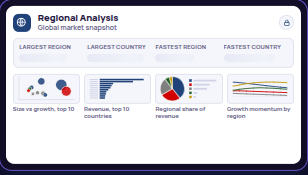
Regional Market Dynamics
- Asia Pacific leads with a 37.74% share, driven by widespread adoption in municipal water treatment, industrial process water management, wastewater reuse, and compliance-driven membrane filtration systems.
- Growth is driven by a 5.99% CAGR, supported by rising water resource pressure, new treatment capacity additions, infrastructure expansion, and increasing upgrades across utilities and manufacturing.
Segment Momentum
- Polymeric membranes accounted for 63.05% of the market in 2026 because they offer cost efficiency, established supply chains, scalable manufacturing, and straightforward integration into existing filtration systems.
- Hollow Fiber is growing fastest because it supports compact, space-efficient filtration systems with high surface area, giving operators greater flexibility when designing modern treatment installations.
Market Expansion Drivers
- Increasing global demand for clean water accelerating ultrafiltration adoption across industrial and municipal sectors.
- Rising wastewater reuse initiatives driving deployment of sustainable ultrafiltration treatment systems.
- Advancements in membrane materials improving filtration efficiency and expanding industrial application scope.
Leading Market Participants
- Leading players in the ultrafiltration market include DuPont de Nemours, Inc. (United States), SUEZ S.A. (France), Pall Corporation (United States), Merck KGaA (Germany), 3M Company (United States), Pentair plc (United Kingdom), Koch Separation Solutions (United States), Toray Industries, Inc. (Japan), Asahi Kasei Corporation (Japan), Sartorius AG (Germany).
Global Market Forecast Snapshot
Market Outlook
- 2026 Market Size: USD 3.2 billion
- 2027 Estimated Market Size: USD 3.34 billion.
- Projected Market Size: USD 5.28 billion by 2036
- Growth Forecast: 5.13% CAGR (2027-2036)
Regional and Segment Outlook
- Leading Regional Market: Asia Pacific
- High-Growth Regional Hub: Asia Pacific
- Core Revenue Segment: Polymeric (Type) | Tubular (Module) | Water Treatment (Application)
- Emerging Opportunity Segment: Ceramic (Type) | Hollow Fiber (Module) | Pharmaceutical (Application)
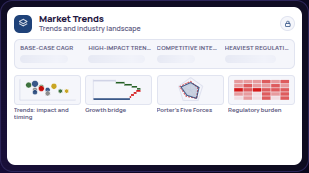
Market Growth Drivers and Industry Trends
Increasing global demand for clean water accelerating ultrafiltration adoption across industrial and municipal sectors
Growing concerns over water quality and the need for reliable access to treated water are strengthening demand for advanced filtration technologies, which will drive the ultrafiltration market growth across industrial and municipal applications. Ultrafiltration systems can remove suspended solids, microorganisms, colloids, and other contaminants while providing consistent treatment performance, making them suitable for applications requiring dependable water purification. Municipal water treatment facilities are increasingly incorporating advanced processes to improve water quality, while industrial users require effective filtration for process water and production operations.
Rising wastewater reuse initiatives driving deployment of sustainable ultrafiltration treatment systems
The increasing emphasis on wastewater recovery and resource conservation is creating greater opportunities for advanced treatment technologies, supporting ultrafiltration market growth. Wastewater reuse initiatives require treatment systems capable of removing contaminants and producing water suitable for further industrial or municipal use. Ultrafiltration can serve as an important treatment stage by providing effective separation before subsequent purification processes, helping organizations reduce dependence on freshwater sources and manage wastewater more efficiently while supporting broader sustainability objectives.
Advancements in membrane materials improving filtration efficiency and expanding industrial application scope
Innovation in membrane materials is enhancing filtration performance and strengthening the versatility of ultrafiltration systems, thereby propelling the ultrafiltration market growth. Improvements in membrane characteristics can support more effective contaminant separation, greater durability, and improved operational performance across demanding treatment environments. These developments are also broadening the applicability of ultrafiltration beyond conventional water treatment into industrial processes where precise separation and reliable filtration are required, including applications involving complex process streams and sensitive production requirements.
| Growth Driver | Impact on CAGR | Regulatory Influence | Geographic Relevance | Adoption Rate | Impact Timeline |
|---|---|---|---|---|---|
| Increasing global demand for clean water accelerating ultrafiltration adoption across industrial and municipal sectors | 2.00% | High | Asia Pacific, Middle East | High | Near Term |
| Rising wastewater reuse initiatives driving deployment of sustainable ultrafiltration treatment systems | 1.80% | High | Middle East, Asia Pacific | Medium | Mid Term |
| Advancements in membrane materials improving filtration efficiency and expanding industrial application scope | 1.50% | Moderate | North America, Europe | Medium | Mid Term |
Unlock insights tailored to your business with our bespoke market research solutions.
Click to get your customized report now.
Regional Demand Dynamics

Asia Pacific (Largest & Fastest-Growing Region)
The ultrafiltration market was led by Asia Pacific, which accounted for a 37.74% share in 2026, supported by expanding water and wastewater treatment requirements, industrialization, and rising pressure on water resources across the region. Growing urban populations and the development of residential, commercial, and industrial infrastructure are strengthening demand for advanced membrane-based filtration technologies that can deliver efficient removal of suspended solids, microorganisms, and other contaminants. The region's diverse industrial base, including food and beverage processing, pharmaceuticals, chemicals, and electronics manufacturing, is also creating broader applications for ultrafiltration systems where consistent water quality and process efficiency are important. At the same time, increasing investment in municipal water infrastructure and greater emphasis on water reuse are encouraging adoption of compact and energy-efficient treatment solutions. Asia Pacific's combination of expanding end-use industries, infrastructure development, environmental priorities, and increasing awareness of sustainable water management is reinforcing its position as both the largest and fastest-growing regional market.
| Parameter | North America | Asia Pacific | Europe | Latin America | MEA |
|---|---|---|---|---|---|
| Innovation HubiScaleNascentDeveloping Advanced | |||||
| Cost-Sensitive RegioniScaleLowMedium High | |||||
| Regulatory EnvironmentiScaleRestrictiveNeutral Supportive | |||||
| Demand DriversiScaleWeakModerate Strong | |||||
| Development StageiScaleEmergingDeveloping Developed | |||||
| Adoption RateiScaleLowMedium High | |||||
| New Entrants / StartupsiScaleSparseModerate Dense | |||||
| Macro IndicatorsiScaleWeakStable Strong |
Key Country Insights
Germany 🇩🇪
Process Filtration ExcellenceGermany advances the ultrafiltration market through high-quality membrane systems used in industrial processing, pharmaceuticals, and water treatment. Manufacturers focus on efficient filtration performance, long membrane life, and compliance with stringent operational standards.
France 🇫🇷
Sustainable Water PurificationFrance promotes ultrafiltration technologies for drinking water, wastewater treatment, and industrial reuse applications. Companies invest in membrane solutions that improve resource efficiency while supporting increasingly rigorous water quality expectations.
Italy 🇮🇹
Food Processing FiltrationItaly applies ultrafiltration extensively across food, beverage, dairy, and industrial processing industries. Manufacturers emphasize reliable membrane performance, product quality preservation, and efficient filtration systems that support high-value production environments.
Japan 🇯🇵
Advanced Membrane InnovationJapan emphasizes membrane technology innovation for water treatment, food processing, and healthcare applications. Companies refine ultrafiltration systems that deliver consistent separation performance while reducing operating costs and maintenance requirements.
South Korea 🇰🇷
Smart Water SolutionsSouth Korea expands the ultrafiltration market by integrating advanced membrane systems into industrial water management and municipal treatment projects. Suppliers prioritize automation, operational efficiency, and compact system designs that address diverse purification needs.
United States 🇺🇸
Industrial Water TreatmentThe U.S. ultrafiltration market is driven by demand for advanced water purification across municipal, industrial, and life sciences applications. Companies expand membrane technology capabilities to improve operational efficiency, water reuse, and treatment reliability.
Ultrafiltration Market Share (%), by Type, 2026
Go beyond the chart, access full insights & data tables
Request Free Sample ReportType Segment Analysis: Polymeric (Largest Segment) vs Ceramic (Fastest-Growing Segment)
The polymeric segment accounted for the largest share of the ultrafiltration market in 2026, representing 63.05%. Its established position is supported by the broad applicability of polymeric membranes across water treatment, wastewater processing, food and beverage production, and other liquid separation processes. Polymeric materials offer practical processing characteristics, cost efficiency, and flexibility in membrane design, enabling their use across diverse filtration requirements. Rising demand for efficient separation technologies and increasing emphasis on water purification continue to support widespread adoption of polymeric ultrafiltration membranes.
Ceramic membranes are experiencing the fastest growth as end users increasingly seek filtration technologies capable of maintaining performance under demanding operating conditions. Their strong resistance to heat, chemicals, and mechanical stress makes them suitable for applications involving aggressive feed streams and intensive cleaning requirements. The ability to provide durable filtration performance can reduce replacement requirements and support longer operating cycles, making ceramic ultrafiltration increasingly attractive for applications where durability and process reliability are priorities.
Module Segment Analysis: Tubular (Largest Segment) vs Hollow Fiber (Fastest-Growing Segment)
Tubular modules led the ultrafiltration market in 2026, holding a 53.24% share. Their strong market presence is associated with their suitability for feeds containing higher concentrations of suspended solids and their ability to support effective flow management during filtration. Tubular configurations can be advantageous in demanding treatment environments because their design facilitates handling of challenging feed streams and cleaning operations. These characteristics make tubular modules relevant across industrial and water-treatment applications where stable filtration performance is essential.
The hollow fiber segment is expanding at the fastest pace, driven by growing interest in compact membrane configurations that can provide high filtration capacity within efficient system designs. Hollow fiber modules offer a large membrane surface area relative to their physical footprint, supporting their use where space utilization and process efficiency are important. Increasing adoption of advanced water and wastewater treatment systems, together with demand for scalable membrane solutions, is strengthening the role of hollow fiber configurations.
| Segment | Sub-Segment | Largest Segment | Fastest Growing |
|---|---|---|---|
| Type | Polymeric, Ceramic | Polymeric | Ceramic |
| Module | Hollow Fiber, Plate and Frame, Tubular, Others | Tubular | Hollow Fiber |
| Application | Water Treatment, Food & Beverage Processing, Pharmaceutical, Others | Water Treatment | Pharmaceutical |
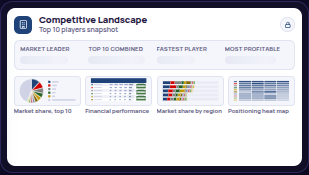
Competitive Landscape and Market Positioning
Key companies in the ultrafiltration market:
1. DuPont de Nemours Inc. (United States)
2. SUEZ S.A. (France)
3. Pall Corporation (United States)
4. Merck KGaA (Germany)
5. 3M Company (United States)
6. Pentair plc (United Kingdom)
7. Koch Separation Solutions (United States)
8. Toray Industries Inc. (Japan)
9. Asahi Kasei Corporation (Japan)
10. Sartorius AG (Germany)
The ultrafiltration market is experiencing strong competitive momentum driven by increasing demand for advanced water purification and industrial filtration technologies. Companies are focusing on membrane efficiency improvements, compact filtration systems, and application-specific solutions to address evolving treatment requirements. Strategic acquisitions and technology integration initiatives are further supporting product diversification and strengthening market positioning in municipal, pharmaceutical, and food processing sectors.
| Company | Market Share | Company Revenue | Revenue CAGR (%) | Product Portfolio | Geographic Presence | Innovation / R&D Focus | Strategic Developments |
|---|---|---|---|---|---|---|---|
| DuPont de Nemours Inc. (United States) | |||||||
| SUEZ S.A. (France) | |||||||
| Pall Corporation (United States) | |||||||
| Merck KGaA (Germany) | |||||||
| 3M Company (United States) | |||||||
| Pentair plc (United Kingdom) | |||||||
| Koch Separation Solutions (United States) | |||||||
| Toray Industries Inc. (Japan) | |||||||
| Asahi Kasei Corporation (Japan) | |||||||
| Sartorius AG (Germany). |
Industry Development/News
| Company Name | Date | Key Development |
|---|---|---|
| Nuwellis | May-26 | Nuwellis successfully completed an FDA pre-submission 510(k) meeting to expand the clinical label for its Aquadex system, targeting pediatric patients weighing 5 kg and above. This regulatory milestone serves to broaden the clinical utility of the company's ultrafiltration technology, strengthening its market position in specialized medical fluid management for vulnerable patient populations. |
| Ion Exchange (India) Ltd | Apr-26 | Ion Exchange has entered a strategic collaboration with MANN+HUMMEL to localize the production of advanced membrane systems, including ultrafiltration and reverse osmosis. This partnership enhances domestic manufacturing capabilities and strengthens the company's competitive positioning in the high-performance water treatment market by integrating specialized membrane technology into its existing production framework. |
| Merck | Apr-26 | Merck is expanding its Bengaluru manufacturing facility to incorporate new production lines for filtration hardware systems. This investment significantly increases the company’s global supply capacity for advanced filtration technologies, addressing growing demand within bioprocessing and industrial water treatment sectors while consolidating its manufacturing footprint in high-growth regional markets. |
| Osmoflo | May-25 | Osmoflo has expanded its strategic partnership with CERAFILTEC to accelerate the deployment of ceramic membrane technologies. By integrating advanced ceramic filtration solutions into its treatment systems, Osmoflo aims to improve overall durability, operational efficiency, and water quality standards for complex industrial and municipal applications, enhancing its technological differentiation in the competitive filtration market. |
| VA Tech WABAG | Mar-25 | VA Tech WABAG secured industrial water treatment contracts valued at approximately INR 360 crore from GAIL and IOCL. The scope includes the deployment of ultrafiltration and reverse osmosis systems for effluent recycling and zero liquid discharge. These projects solidify the company’s role as a provider of critical, large-scale industrial water treatment infrastructure. |
| Memsift Innovations | Mar-25 | Memsift Innovations commercially launched its Gosep ultrafiltration membrane technology in partnership with the Murugappa Group. This launch marks a significant expansion of the company's commercial capabilities in high-performance membrane filtration, providing scalable and efficient solutions tailored for demanding industrial and municipal water treatment environments. |
| Memsift Innovations | Oct-24 | Memsift Innovations acquired graphene membrane technology via a transfer agreement with Ngee Ann Polytechnic. This strategic acquisition allows the company to integrate next-generation materials into its existing product portfolio, aiming to drive performance improvements in ultrafiltration and separation processes, thereby enhancing its technological edge in the advanced filtration market. |
| Sartorius | Sep-24 | Sartorius launched the Vivaflow SU, a tangential flow filtration solution designed for laboratory-scale applications. The product introduces improved technical efficiency and sustainability for ultrafiltration and diafiltration processes, specifically targeting feed volumes between 100 and 1,000 mL. This launch represents a material innovation in membrane-based separation technology, enhancing the company's competitive offering for high-precision bioprocessing workflows. |
| QUA | Apr-24 | QUA has inaugurated a new, advanced membrane manufacturing facility in Pune, India. This strategic expansion increases the company's global production capacity for ultrafiltration and membrane-based filtration systems, allowing for greater scalability to meet rising international demand for water treatment solutions across industrial and municipal applications. |
| Maynilad | Mar-24 | Maynilad inaugurated a ceramic ultrafiltration modular treatment plant in Muntinlupa to serve the Greater Manila Area. The facility leverages advanced membrane technology to enhance drinking water and wastewater treatment capacity. This investment represents a significant infrastructure improvement aimed at increasing operational reliability and ensuring water quality compliance in a high-density urban region. |
Customize Your Report
Explore examples of how this report can be tailored to different research needs, including custom segments, additional topics or chapters, and related reports. Click a section of the wheel or its numbered marker to explore the available options.
Ultrafiltration Market — Custom Segments
| Segment | Sub-Segment |
|---|---|
| Operating Mode | Dead-End Filtration, Cross-Flow Filtration |
| System Capacity | Small-Scale Systems, Medium-Scale Systems, Large-Scale Systems |
| Deployment Model | Centralized Systems, Decentralized Systems, Mobile & Skid-Mounted Systems |
Ultrafiltration Market — Custom TOC
| Custom Chapter | Chapter Details |
|---|---|
| Membrane Technology Adoption Roadmap |
|
| Water Treatment Infrastructure Opportunity Analysis |
|
| Membrane Lifecycle Economics |
|
Need a different cut of the data?
Request Custom ResearchFrequently Asked Questions
How much is the ultrafiltration market worth?
What is the anticipated CAGR of the ultrafiltration industry?
How are water reuse initiatives accelerating deployment of ultrafiltration systems?
How are membrane technology advancements improving ultrafiltration market opportunities?
Why do polymeric membranes dominate the ultrafiltration market?
Why is Hollow Fiber becoming the fastest-growing ultrafiltration module?
Why is Asia Pacific leading ultrafiltration market?
What's driving ultrafiltration growth in Asia Pacific?
What are the key competitors in the ultrafiltration landscape?
Our Clients
"The team at Fundamental Business Insights & Consulting demonstrated a commitment to excellence, not only in the quality of the report but also in their client-centric approach."
FANUC
"The level of detail in the market segmentation provided were particularly noteworthy. The detailed country-level insights were also very helpful."
B&R Industrial Automation GmbH
"The consultant took the time to understand our specific business objectives, ensuring that the reports were tailored to address our unique challenges and opportunities."
KUKA SE & Co. KGaA
Our Research Team & Methodology
Every Fundamental Business Insights report is built by a dedicated vertical research team, validated through a structured primary-and-secondary methodology, and reviewed for accuracy before it reaches you.
Delivery
Published
Available
Support
- Market Size & Forecast
- Market Segmentation
- Regional Analysis
- Growth Drivers & Challenges
- Market Dynamics
- Competitive Landscape
- Company Profiles
- Competitive Benchmarking
- Mergers & Acquisitions
- Market Share Analysis or Key Company Strategies
- Value Chain Analysis
- Porter's Five Forces
- PESTLE Analysis
- Pricing Trends
- Supply-Demand Analysis
- Technology Landscape
- Regulatory Landscape
- Investment & Funding Landscape
- Emerging Opportunities
- Future Market Outlook