Unconcentrated Orange Juice Market Size & Growth Forecast 2027–2036, By Segments (Product Type, Processing Method, Packaging Type, Nature, End Use, Distribution Channel), Regional Demand Trends (North America, Asia Pacific, Europe), Key Country Insights (U.S., Japan, South Korea, Germany, France, Italy), and Competitive Landscape
Jump to Content
Market Size and Growth Outlook
Unconcentrated Orange Juice Market size stood at USD 5.62 billion in 2026 and is predicted to grow at a 6.15% CAGR from 2027 to 2036, exceeding USD 10.21 billion by 2036. The industry revenue for 2027 is estimated at USD 5.91 billion.
Get more details on this report
Request Free Sample ReportUnconcentrated Orange Juice Market Intelligence Snapshot
Regional Market Dynamics
- Europe accounted for 37.04% of the market in 2026, supported by established juice consumption, mature processing capabilities, extensive supermarket networks, and demand for convenient fruit-based beverages.
- Urbanization, rising disposable incomes, changing dietary habits, and expanding modern retail and e-commerce are improving access to packaged juice and strengthening demand for convenient fruit-based beverages.
Segment Momentum
- Not-from-concentrate orange juice held a 42.98% market share in 2026, supported by demand for fresh-tasting, minimally processed beverages and products that retain sensory qualities closer to freshly squeezed juice.
- High-pressure processing is the fastest-growing processing method, driven by demand for fresh-tasting, clean-label beverages that combine food safety and shelf-life benefits with minimal effects on flavor and freshness.
Market Expansion Drivers
- Health & Wellness Consumer Trends.
- Supply Chain Efficiency & Cold Chain Expansion.
- Sustainable Packaging Adoption.
Leading Market Participants
- Leading players in the unconcentrated orange juice market include The Coca-Cola Company (USA), PepsiCo (USA), Florida’s Natural Growers (USA), Citrosuco (Brazil), Louis Dreyfus Company (Netherlands), Sucocitrico Cutrale (Brazil), COFCO International (China), Uncle Matt’s Organic (USA), Rauch Fruchtsäfte (Austria), Trade Winds Citrus (USA).
Global Market Forecast Snapshot
Market Outlook
- 2026 Market Size: USD 5.62 billion
- 2027 Estimated Market Size: USD 5.91 billion
- Projected Market Size: USD 10.21 billion by 2036
- Growth Forecast: 6.15% CAGR (2027-2036)
Regional and Segment Outlook
- Leading Regional Market: Europe
- High-Growth Regional Hub: Asia Pacific
- Core Revenue Segment: Product Type (Not-From-Concentrate (NFC) Orange Juice) | Processing Method (Pasteurized) | Packaging Type (Carton Packaging) | Nature (Conventional) | End Use (Direct Consumption) | Distribution Channel (Supermarkets & Hypermarkets)
- Emerging Opportunity Segment: Product Type (Not-From-Concentrate (NFC) Orange Juice) | Processing Method (High-pressure Processing (HPP)) | Packaging Type (Plastic Bottles) | Nature (Organic) | End Use (Direct Consumption) | Distribution Channel (Online Retail)
Market Growth Drivers and Industry Trends
Health & Wellness Consumer Trends
The growing focus on health and wellness is increasing consumer interest in beverages perceived as natural, nutritious, and minimally processed. Unconcentrated orange juice retains its fresh fruit characteristics while providing essential nutrients and supporting convenient consumption, making it attractive to health-conscious consumers. Increasing awareness of balanced diets and the nutritional benefits associated with citrus fruits is further encouraging demand for fruit-based beverages. In addition, the preference for clean-label products with recognizable ingredients is supporting the use of unconcentrated orange juice across household and foodservice applications.
Supply Chain Efficiency & Cold Chain Expansion
Improvements in supply chain infrastructure and cold chain capabilities are supporting the wider distribution of unconcentrated orange juice while helping preserve product quality during transportation and storage. Enhanced temperature-controlled logistics enable manufacturers and distributors to maintain freshness and reduce quality deterioration throughout the distribution process. Moreover, the expansion of organized retail and modern food distribution networks is improving product accessibility across different markets. These developments are creating favorable conditions for the growth of unconcentrated orange juice consumption.
Sustainable Packaging Adoption
The increasing emphasis on environmental sustainability is encouraging the adoption of packaging solutions that reduce material consumption and improve recyclability across the beverage industry. Producers of unconcentrated orange juice are increasingly focusing on packaging formats that offer product protection while addressing consumer concerns regarding packaging waste. Furthermore, growing awareness of sustainable consumption is encouraging retailers and consumers to favor beverages packaged using environmentally responsible materials. The shift toward lightweight, recyclable, and resource-efficient packaging is therefore supporting the long-term development of the market.
| Growth Driver | Impact on CAGR | Regulatory Influence | Geographic Relevance | Adoption Rate | Impact Timeline |
|---|---|---|---|---|---|
| Health & Wellness Consumer Trends | 1.3% | Short term (≤ 2 yrs) | North America; Europe; Spillover Asia Pacific | Low | Fast |
| Supply Chain Efficiency & Cold Chain Expansion | 1% | Medium term (2–5 yrs) | Europe; Asia Pacific; Spillover North America | Medium | Moderate |
| Sustainable Packaging Adoption | 0.9% | Long term (5+ yrs) | Europe; North America; Spillover Asia Pacific | High | Slow |
Explore Growth Opportunities
Request Free Sample ReportRegional Demand Dynamics
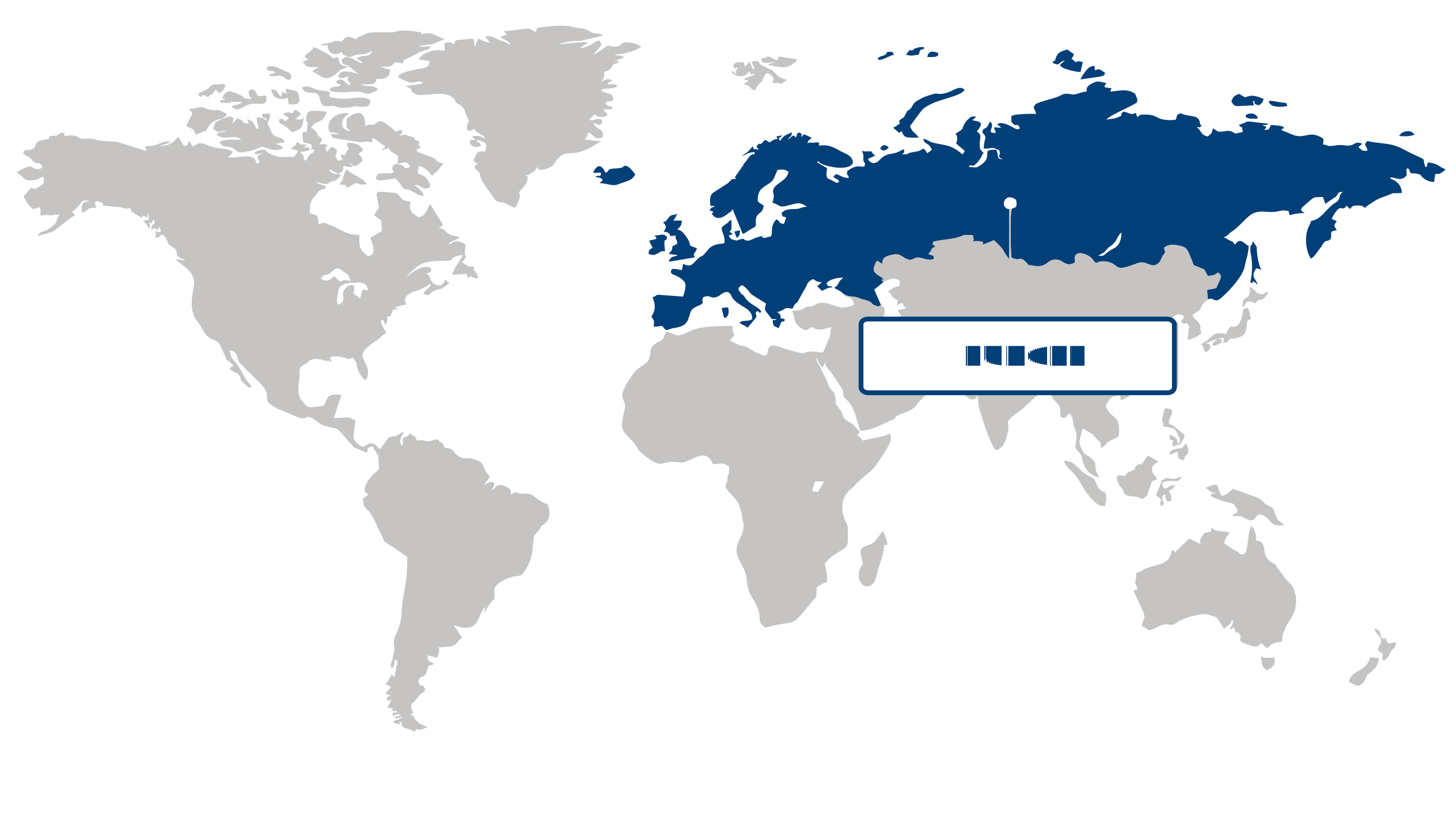
Europe (Largest Region)
Europe accounted for a 37.04% share of the unconcentrated orange juice market in 2026, propelled by established juice consumption patterns, strong demand for fruit-based beverages, and a mature food and beverage processing industry. Consumers across the region increasingly favor convenient beverages that align with natural and health-oriented consumption preferences, supporting demand for orange juice products with recognizable fruit ingredients and minimal processing. The region also benefits from well-developed retail networks, extensive supermarket penetration, and strong availability of chilled and packaged juice products. Growing interest in balanced diets and fruit-based nutrition is encouraging consumers to incorporate juice into breakfast and everyday consumption occasions. In addition, advancements in juice processing, preservation, packaging, and cold-chain distribution are helping manufacturers maintain product quality while expanding accessibility across retail and foodservice channels. Sustainability considerations around packaging and sourcing are also becoming increasingly relevant, encouraging greater attention to efficient supply chains and responsible production practices.
Asia Pacific (Fastest-Growing Region)
Asia Pacific is expected to register the fastest growth in the unconcentrated orange juice market, led by urbanization, changing dietary habits, and rising consumer interest in convenient fruit-based beverages. Growing disposable incomes and the expansion of modern retail are improving access to packaged juice products across emerging and developed markets throughout the region. Consumers are increasingly seeking beverages perceived as refreshing and nutritionally beneficial, while younger populations are contributing to stronger demand for convenient products suited to busy lifestyles. The expansion of supermarkets, convenience stores, foodservice outlets, and e-commerce channels is further widening product availability. Rising awareness of fruit-based nutrition and growing experimentation with international beverage products are also supporting market development. Improvements in processing, packaging, storage, and distribution infrastructure are helping suppliers address broader geographic markets and maintain product quality, creating favorable conditions for continued adoption of unconcentrated orange juice.
| Parameter | North America | Asia Pacific | Europe | Latin America | MEA |
|---|---|---|---|---|---|
| Innovation HubiScaleNascentDeveloping Advanced | |||||
| Cost-Sensitive RegioniScaleLowMedium High | |||||
| Regulatory EnvironmentiScaleRestrictiveNeutral Supportive | |||||
| Demand DriversiScaleWeakModerate Strong | |||||
| Development StageiScaleEmergingDeveloping Developed | |||||
| Adoption RateiScaleLowMedium High | |||||
| New Entrants / StartupsiScaleSparseModerate Dense | |||||
| Macro IndicatorsiScaleWeakStable Strong |
Key Country Insights
United States 🇺🇸
Domestic Juice ConsumptionThe U.S. unconcentrated orange juice market is shaped by established retail and foodservice consumption, with purchasing influenced by convenience, nutrition, and product quality. Suppliers are prioritizing reliable sourcing, consistent flavor, clean-label positioning, and packaging formats suited to both household and away-from-home consumption.
Germany 🇩🇪
Quality-Focused Juice DemandGermany’s market places emphasis on ingredient transparency, product quality, and responsible sourcing within the juice category. Producers and retailers can strengthen positioning through premium-quality orange juice, clear labeling, sustainable packaging, and dependable cold-chain handling across retail channels.
Japan 🇯🇵
Premium Juice PreferencesJapan’s unconcentrated orange juice demand favors consistent taste, convenient formats, and carefully presented food and beverage products. Market participants can focus on premium fruit quality, portion-controlled packaging, freshness cues, and product differentiation suited to convenience-oriented retail environments.
South Korea 🇰🇷
Convenient Juice FormatsSouth Korea’s market is supported by demand for convenient beverage products across supermarkets, convenience stores, and foodservice outlets. Orange juice suppliers can emphasize portable packaging, freshness, nutritional attributes, and differentiated flavor profiles while maintaining dependable product quality and distribution.
France 🇫🇷
Premium Citrus PositioningFrance’s orange juice market provides room for premium positioning built around fruit quality, taste, and ingredient credentials. Producers can differentiate through carefully selected oranges, transparent sourcing, reduced processing emphasis, and packaging that appeals to consumers seeking higher-quality breakfast and refreshment options.
Italy 🇮🇹
Freshness-Oriented ConsumptionItaly’s unconcentrated orange juice market is closely connected with breakfast, hospitality, and everyday beverage consumption, creating interest in fresh-tasting products and credible fruit credentials. Suppliers can emphasize sensory quality, convenient formats, and sourcing narratives that reinforce the connection between juice quality and fruit origin.
Unconcentrated Orange Juice Market Share (%), by Product Type, 2026
Go beyond the chart, access full insights & data tables
Request Free Sample ReportProduct Type Segment Analysis: Not-From-Concentrate (NFC) Orange Juice (Largest & Fastest-Growing Segment)
The not-from-concentrate (NFC) orange juice segment accounted for a 2026 market share of 42.98% of the unconcentrated orange juice market and is also expected to register the fastest growth, supported by consumer preference for juice products perceived to offer a fresher taste, natural characteristics, and closer sensory qualities to freshly squeezed orange juice. NFC processing preserves the original juice profile without the concentration and subsequent reconstitution associated with conventional concentrate-based formats, making it increasingly attractive among consumers seeking minimally processed beverage options. Growing awareness of clean-label products, increasing demand for convenient fruit-based beverages, and continued interest in products with recognizable and natural ingredients are encouraging producers to expand NFC offerings. The segment is further supported by the rising availability of premium chilled and packaged juice products, as retailers and beverage manufacturers respond to evolving preferences for freshness, quality, and convenient consumption.
Processing Method Segment Analysis: Pasteurized (Largest Segment) vs High-pressure Processing (HPP) (Fastest-Growing Segment)
The pasteurized segment accounted for a 2026 market share of 34.02% of the unconcentrated orange juice market, supported by the established use of heat-based processing to improve product safety and extend shelf life while maintaining the practicality required for large-scale beverage production and distribution. Pasteurization remains widely adopted because it provides a familiar and commercially proven approach to controlling microorganisms and supporting consistent product quality across different distribution environments. Its compatibility with established processing infrastructure and broad retail availability continues to reinforce its position in the processing method segment, particularly as demand for packaged orange juice grows across household and foodservice consumption channels.
The high-pressure processing (HPP) segment is expected to register the fastest growth, driven by increasing consumer interest in fresh-tasting beverages and processing technologies that can support food safety while minimizing the effects of conventional heat treatment on sensory characteristics. HPP uses pressure rather than intensive thermal exposure to extend shelf life and preserve qualities such as flavor and freshness, making it increasingly relevant to premium and minimally processed juice products. Growing demand for clean-label beverages, refrigerated fresh-style juices, and products positioned around natural quality is encouraging processors to consider HPP as a differentiated processing approach. The technology is particularly aligned with evolving consumer expectations for beverages that combine convenience and safety with a fresher product experience.
Packaging Type Segment Analysis: Carton Packaging (Largest Segment) vs Plastic Bottles (Fastest-Growing Segment)
The carton packaging segment accounted for a 2026 market share of 32.4% of the unconcentrated orange juice market, supported by its established role in packaged juice distribution and its suitability for protecting beverages during storage and transportation. Cartons provide practical handling, efficient shelf utilization, and convenient formats for household consumption, while their association with paper-based packaging also aligns with growing consumer and industry attention toward packaging sustainability. Continued demand for convenient retail juice products, alongside improvements in carton design and material efficiency, is supporting the widespread use of carton packaging across the orange juice market.
The plastic bottles segment is expected to register the fastest growth, driven by consumer demand for portable, resealable, and convenient beverage packaging suited to consumption outside the home. Plastic bottles provide flexibility in size and handling while enabling consumers to store partially consumed products more easily, making them particularly suitable for individual and on-the-go consumption occasions. Increasing demand for convenient beverage formats, expanding chilled beverage distribution, and innovations aimed at improving recyclability and material efficiency are further supporting adoption of plastic bottles. The growing emphasis on lightweight packaging and ease of transportation is also contributing to the expanding role of plastic bottles in the packaging landscape for unconcentrated orange juice.
| Segment | Sub-Segment | Largest Segment | Fastest Growing |
|---|---|---|---|
| Product Type | Not-From-Concentrate (NFC) Orange Juice, Freshly Squeezed Orange Juice, Cold-pressed Orange Juice, Premium Unconcentrated Orange Juice | Not-From-Concentrate (NFC) Orange Juice | Not-From-Concentrate (NFC) Orange Juice |
| Processing Method | Pasteurized, Unpasteurized, High-pressure Processing (HPP), Pulsed Electric Field (PEF), Others | Pasteurized | High-pressure Processing (HPP) |
| Packaging Type | Carton Packaging, Plastic Bottles, Glass Bottles, Bulk Packaging, Others | Carton Packaging | Plastic Bottles |
| Nature | Conventional, Organic, Natural/Clean Label | Conventional | Organic |
| End Use | Direct Consumption, Culinary Applications, Beverage Blends, Functional Beverages, Others | Direct Consumption | Direct Consumption |
| Distribution Channel | Supermarkets & Hypermarkets, Convenience Stores, Online Retail, Specialty Stores, Foodservice, Others | Supermarkets & Hypermarkets | Online Retail |
Unlock insights tailored to your business with our bespoke market research solutions.
Click to get your customized report now.
Competitive Landscape and Market Positioning
Analyst Perspective:
Competition in the unconcentrated orange juice market centers on preserving raw sensory characteristics throughout complex supply chains. Because consumers demand a consistent balance between sweetness and acidity despite natural variations in fruit maturity and origin, suppliers differentiate through precise soluble solids control. To avoid the flavor degradation typical of heavily processed alternatives, processing strategies emphasize targeted enzymatic inactivation to stabilize juice without dulling its profile. Maintaining product integrity further relies on robust cold-chain execution, where tight temperature regulation from extraction to distribution preserves fresh notes. Ultimately, combining post-squeeze shelf-life extension with careful environmental management allows producers to widen distribution reach while minimizing spoilage.
Top players in the unconcentrated orange juice market:
- The Coca-Cola Company (USA)
- PepsiCo (USA)
- Florida’s Natural Growers (USA)
- Citrosuco (Brazil)
- Louis Dreyfus Company (Netherlands)
- Sucocitrico Cutrale (Brazil)
- COFCO International (China)
- Uncle Matt’s Organic (USA)
- Rauch Fruchtsäfte (Austria)
- Trade Winds Citrus (USA)
| Company | Market Share | Company Revenue | Revenue CAGR (%) | Product Portfolio | Geographic Presence | Innovation / R&D Focus | Strategic Developments |
|---|---|---|---|---|---|---|---|
| The Coca-Cola Company (USA) | |||||||
| PepsiCo (USA) | |||||||
| Florida’s Natural Growers (USA) | |||||||
| Citrosuco (Brazil) | |||||||
| Louis Dreyfus Company (Netherlands) | |||||||
| Sucocitrico Cutrale (Brazil) | |||||||
| COFCO International (China) | |||||||
| Uncle Matt’s Organic (USA) | |||||||
| Rauch Fruchtsäfte (Austria) | |||||||
| Trade Winds Citrus (USA) |
Customize Your Report
Explore examples of how this report can be tailored to different research needs, including custom segments, additional topics or chapters, and related reports. Click a section of the wheel or its numbered marker to explore the available options.
Unconcentrated Orange Juice Market — Custom Segments
| Segment | Sub-Segment |
|---|---|
| Juice Quality Grade | Standard grade, Premium grade, Super-premium grade |
| Private Label vs Branded | National brands, Regional brands, Private labels |
| Shelf Life | Short shelf life, Extended shelf life, Long shelf life |
Unconcentrated Orange Juice Market — Custom TOC
| Custom Chapter | Chapter Details |
|---|---|
| Raw Material Sourcing Resilience |
|
| Juice Blending Economics |
|
| Packaging Sustainability Roadmap |
|
Need a different cut of the data?
Request Custom ResearchFrequently Asked Questions
How much revenue does the unconcentrated orange juice market generate?
What is the expected industry size of unconcentrated orange juice by 2036?
How are health and wellness trends shaping demand for unconcentrated orange juice?
How are cold chain and supply chain improvements supporting market expansion?
Why does not-from-concentrate orange juice lead the market?
Why is high-pressure processing gaining traction in the unconcentrated orange juice market?
Why does Europe hold the largest share of the unconcentrated orange juice market?
What is accelerating unconcentrated orange juice market growth in Asia Pacific?
Which companies are driving growth in the unconcentrated orange juice landscape?
Our Clients
"The report provided a thorough look at market trends, technological advancements, and the competitive landscape. The depth of insights was really valuable."
ITC Limited
"We would highly recommend Fundamental Business Insights & Consulting to anyone looking for reliable, detailed, and comprehensive market research in the Food industry."
Tyson Foods
"The clarity and presentation of the information were commendable. The report was delivered timely, which made the overall experience smooth and convenient."
Mondelēz International
Our Research Team & Methodology
Every Fundamental Business Insights report is built by a dedicated vertical research team, validated through a structured primary-and-secondary methodology, and reviewed for accuracy before it reaches you.
This report was prepared by the Food & Beverage Research Team at Fundamental Business Insights, a dedicated research group specializing in the global food, beverage, ingredients, and food processing industries. Our analysts continuously monitor evolving consumer preferences, product innovation, ingredient developments, food safety regulations, manufacturing technologies, supply chain dynamics, pricing trends, sustainability initiatives, and changing retail and foodservice landscapes to deliver timely and reliable market intelligence. The research is developed using a structured methodology that combines primary discussions with food manufacturers, ingredient suppliers, distributors, retailers, industry experts, and other key stakeholders, along with company annual reports, regulatory publications, government trade statistics, food safety authorities, industry associations, technical publications, and other authoritative secondary sources. Market estimates are validated through multiple research techniques, including top-down and bottom-up analysis, before undergoing an internal quality review to ensure accuracy, consistency, and methodological integrity prior to publication.
Delivery
Published
Available
Support
- Market Size & Forecast
- Market Segmentation
- Regional Analysis
- Growth Drivers & Challenges
- Market Dynamics
- Competitive Landscape
- Company Profiles
- Competitive Benchmarking
- Mergers & Acquisitions
- Market Share Analysis or Key Company Strategies
- Value Chain Analysis
- Porter's Five Forces
- PESTLE Analysis
- Pricing Trends
- Supply-Demand Analysis
- Technology Landscape
- Regulatory Landscape
- Investment & Funding Landscape
- Emerging Opportunities
- Future Market Outlook