Urban Mining Market Size & Growth Forecast 2027–2036, By Segments (Material, Waste Type), Regional Demand Trends (North America, Asia Pacific, Europe), Key Country Insights (U.S., Japan, South Korea, Germany, France, Italy), and Competitive Landscape
Jump to Content
Market Size and Growth Outlook
Urban Mining Market size was assessed at USD 27.34 million in 2026 and is poised to grow at a 14.66% CAGR between 2027 and 2036, reaching USD 107.38 million by 2036. The industry revenue for 2027 is calculated at USD 30.81 million.
Get more details on this report
Request Free Sample ReportUrban Mining Market Intelligence Snapshot
Regional Market Dynamics
- Europe held 42.51% market share, supported by established recycling infrastructure, circular economy initiatives, and investment in recovering valuable materials to strengthen secondary raw material supply chains.
- Asia Pacific is the fastest-growing region, fueled by rising electronic waste, expanding industrial activity, and growing demand for recovered critical materials from batteries and discarded electronics.
Segment Momentum
- Precious metals represent the largest and fastest-growing material segment because gold, silver, platinum, and palladium offer significant recoverable economic value. Their recovery from discarded electronics and industrial waste creates commercial incentives for resource recovery and supports circular material flows.
- E-waste is the largest and fastest-growing waste-type segment, supported by rising discarded-device volumes and the concentration of recoverable materials in electronic components. Growing demand for efficient collection, sorting, dismantling, and recovery strengthens its role as a secondary raw material source.
Market Expansion Drivers
- Increasing recovery of valuable metals from e-waste.
- Government regulations promoting recycling and sustainable resource management.
- Technological innovations in urban mining and resource extraction.
Leading Market Participants
- Major companies in the urban mining market include Umicore (Belgium), Sims Limited (Australia), Boliden (Sweden), Aurubis (Germany), Glencore (Switzerland), DOWA Holdings (Japan), LS-Nikko Copper (South Korea), Johnson Matthey (UK), Stena Metall (Sweden), Nyrstar (Netherlands).
Global Market Forecast Snapshot
Market Outlook
- 2026 Market Size: USD 27.34 million
- 2027 Estimated Market Size: USD 30.81 million
- Projected Market Size: USD 107.38 million by 2036
- Growth Forecast: 14.66% CAGR (2027-2036)
Regional and Segment Outlook
- Leading Regional Market: Europe
- High-Growth Regional Hub: Asia Pacific
- Core Revenue Segment: Material (Precious Metals) | Waste Type (E-Waste)
- Emerging Opportunity Segment: Material (Precious Metals) | Waste Type (E-Waste)
Market Growth Drivers and Industry Trends
Increasing recovery of valuable metals from e-waste
The increasing recovery of valuable metals from electronic waste is driving the urban mining market by creating opportunities to extract reusable resources from discarded electronic products. Growing volumes of obsolete electronics contain recoverable metals and other materials that can be processed and returned to productive use, reducing reliance on conventional resource extraction. The increasing emphasis on resource efficiency and material recovery is encouraging investment in processes that can efficiently identify, separate, and recover valuable components from complex waste streams.
Government regulations promoting recycling and sustainable resource management
Government regulations promoting recycling and sustainable resource management are supporting the development of urban mining activities by encouraging the responsible collection, processing, and recovery of materials from waste. Policies focused on reducing landfill disposal, improving electronic waste management, and strengthening resource recovery practices are creating favorable conditions for recycling infrastructure. Increasing regulatory attention to circular resource use is also encouraging industries to adopt systems that prioritize material recovery and minimize waste.
Technological innovations in urban mining and resource extraction
Technological innovations in urban mining and resource extraction are improving the efficiency of recovering valuable materials from increasingly complex waste streams. Advances in sorting, separation, processing, and material identification technologies are enabling more effective recovery from discarded electronics, industrial residues, and other urban waste sources. Improved processing capabilities are helping overcome challenges associated with mixed materials and low concentrations of recoverable resources, thereby supporting the expansion of urban mining applications.
| Growth Driver | Impact on CAGR | Regulatory Influence | Geographic Relevance | Adoption Rate | Impact Timeline |
|---|---|---|---|---|---|
| Increasing recovery of valuable metals from e-waste | 5% | Short term (≤ 2 yrs) | Asia Pacific; North America; Spillover: Europe | Medium | Moderate |
| Government regulations promoting recycling and sustainable resource management | 5% | Medium term (2–5 yrs) | Europe; North America; Spillover: Asia Pacific | High | Moderate |
| Technological innovations in urban mining and resource extraction | 4.5% | Long term (5+ yrs) | North America; Europe; Spillover: Asia Pacific | Medium | Moderate |
Explore Growth Opportunities
Request Free Sample ReportRegional Demand Dynamics
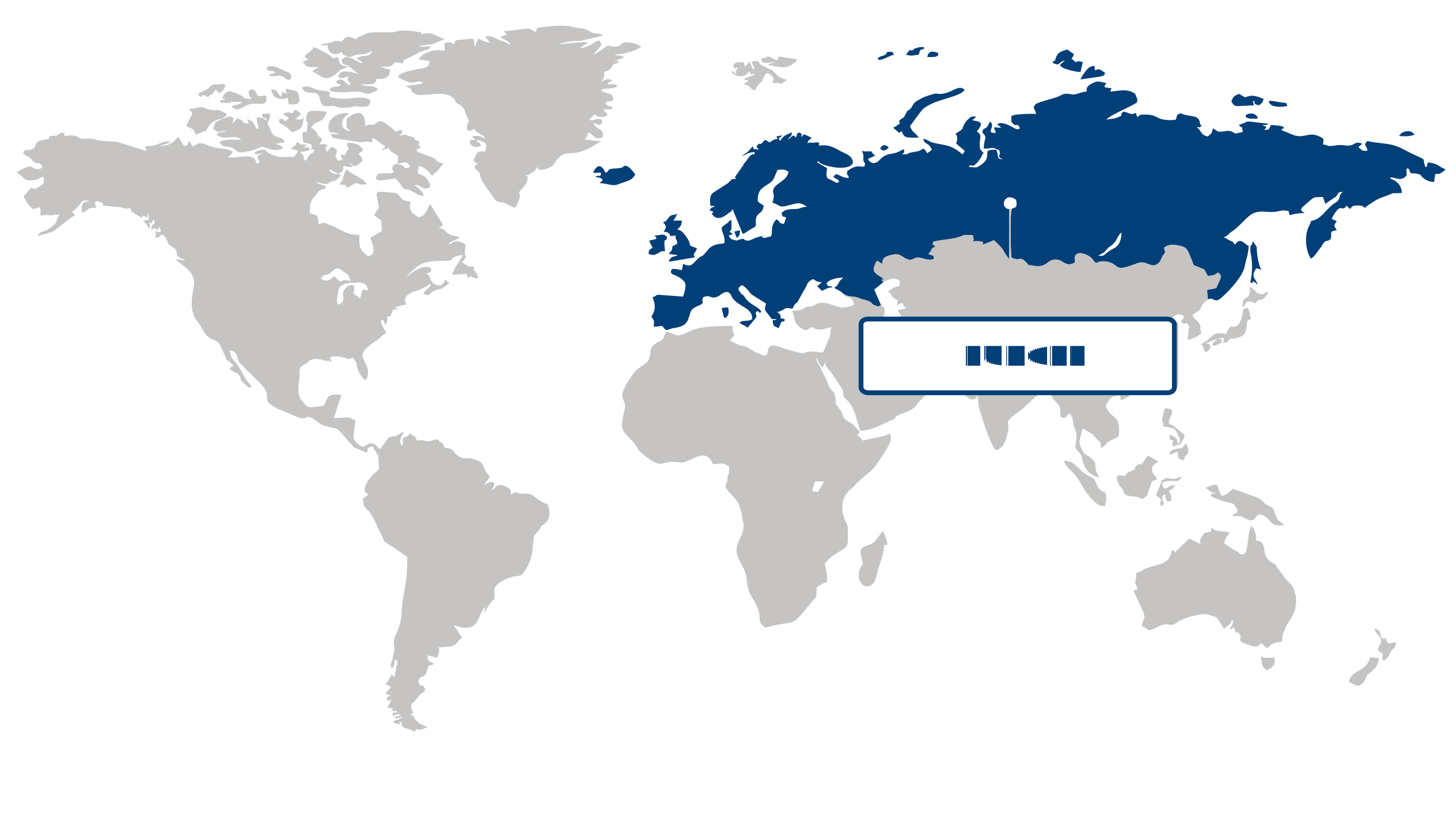
Europe (Largest Region)
The Europe urban mining market accounted for the largest regional share of 42.51%, supported by established recycling infrastructure, strong circular economy initiatives, and increasing emphasis on recovering valuable materials from discarded products and urban waste streams. The region's focus on resource efficiency and waste reduction is encouraging the recovery of metals, electronic components, and other reusable materials from end-of-life equipment, industrial residues, and construction waste. Urban mining provides an important pathway for reducing dependence on virgin raw materials while supporting more sustainable resource management across manufacturing industries. The growing volume of electronic waste and the increasing demand for critical minerals are strengthening interest in advanced collection, sorting, dismantling, and material recovery technologies. In addition, regulatory attention to recycling, product life-cycle management, and responsible waste treatment is encouraging investment in more efficient recovery systems. Europe's established environmental management practices and emphasis on resource circularity continue to support the development of urban mining activities, creating opportunities to improve material recovery rates and strengthen secondary raw material supply chains.
Asia Pacific (Fastest-Growing Region)
The Asia Pacific urban mining market is expected to grow at the fastest pace, driven by rising electronic waste generation, expanding industrialization, and increasing demand for recovered metals and critical materials. The region's growing consumption of electronic devices, rapid urban development, and expanding manufacturing activities are generating substantial opportunities for recovering valuable resources from discarded products and industrial waste. The increasing use of batteries, electrical equipment, and electronic components is also creating a need for efficient collection and recycling systems that can recover reusable materials and reduce waste disposal pressures. Governments and industrial stakeholders are placing greater emphasis on improving recycling infrastructure, strengthening waste management practices, and developing domestic sources of secondary raw materials. Furthermore, the expansion of electric mobility and renewable energy technologies is increasing interest in recovering valuable metals from end-of-life batteries and related equipment. Improvements in sorting, dismantling, and material separation technologies are expected to enhance recovery efficiency and support the region's growing urban mining market.
| Parameter | North America | Asia Pacific | Europe | Latin America | MEA |
|---|---|---|---|---|---|
| Innovation HubiScaleNascentDeveloping Advanced | |||||
| Cost-Sensitive RegioniScaleLowMedium High | |||||
| Regulatory EnvironmentiScaleRestrictiveNeutral Supportive | |||||
| Demand DriversiScaleWeakModerate Strong | |||||
| Development StageiScaleEmergingDeveloping Developed | |||||
| Adoption RateiScaleLowMedium High | |||||
| New Entrants / StartupsiScaleSparseModerate Dense | |||||
| Macro IndicatorsiScaleWeakStable Strong |
Key Country Insights
United States 🇺🇸
Resource Recovery InfrastructureThe U.S. urban mining market is focused on recovering valuable metals and materials from electronic waste, batteries, construction waste, and end-of-life products. Companies are prioritizing advanced sorting, recycling, and extraction technologies while building localized recovery infrastructure to improve access to secondary raw materials and reduce dependence on conventional supply chains.
Germany 🇩🇪
Circular Material RecoveryGermany’s urban mining market is closely tied to circular-economy practices, resource efficiency, and industrial material recovery. Municipalities and industrial players are emphasizing systematic recovery of metals and reusable materials from buildings, infrastructure, electronics, and waste streams, supported by improved collection, sorting, recycling, and material-traceability systems.
Japan 🇯🇵
High-Value Metal RecoveryJapan’s urban mining market emphasizes efficient recovery of precious and critical metals from electronics, appliances, and other concentrated waste streams. Industry priorities include advanced separation technologies, automated recycling processes, and improved collection networks that can extract greater material value while reducing the environmental burden of end-of-life products.
South Korea 🇰🇷
Critical Material RecyclingSouth Korea’s urban mining market is increasingly connected to electronics, batteries, and critical-material recovery. Companies are prioritizing closed-loop recycling and advanced extraction technologies for metals contained in end-of-life products, helping manufacturers secure secondary resources while strengthening domestic recycling capabilities for strategically important materials.
France 🇫🇷
Circular Urban ResourcesFrance’s urban mining market is developing around construction materials, electronic waste, metals, and broader circular-economy initiatives. Market participants are emphasizing recovery before demolition or disposal, improved material sorting, and reuse pathways that can return valuable resources to industrial supply chains while reducing waste generated by urban development.
Italy 🇮🇹
Building Material RecoveryItaly’s urban mining market has strong relevance to construction, renovation, demolition, and industrial waste recovery. Companies and local stakeholders are focusing on reclaiming metals and reusable building materials from existing structures, supported by selective dismantling, improved waste sorting, and circular procurement practices that retain material value within domestic supply chains.
Urban Mining Market Share (%), by Material, 2026
Go beyond the chart, access full insights & data tables
Request Free Sample ReportMaterial Segment Analysis: Precious Metals (Largest & Fastest-Growing Segment)
Precious metals represent the largest and fastest-growing segment of the urban mining market by material, driven by the high economic value and recoverability of metals contained in discarded electronic equipment, industrial components, and other urban waste streams. Materials such as gold, silver, platinum, and palladium can be recovered from complex waste sources and reintroduced into industrial supply chains, creating strong incentives for collection, sorting, and advanced recovery processes. Rising pressure to improve resource efficiency and reduce dependence on conventional extraction is further supporting the recovery of valuable metals from urban waste. The ability to generate economic value while reducing waste volumes and supporting circular material flows is strengthening demand for technologies and processes focused on precious metal recovery.
Waste Type Segment Analysis: E-Waste (Largest & Fastest-Growing Segment)
E-waste represents the largest and fastest-growing segment of the urban mining market by waste type, supported by the rapid accumulation of discarded electronic devices and the concentration of valuable and recoverable materials in electronic components. E-waste contains a diverse mix of metals and other materials, making it an important feedstock for urban mining and resource recovery activities. Shorter technology replacement cycles, increasing consumption of electronic products, and the growing volume of obsolete devices are expanding the availability of recoverable e-waste. At the same time, greater emphasis on responsible waste management and circular resource utilization is encouraging the development of efficient collection, sorting, dismantling, and material recovery systems. These factors are reinforcing the role of e-waste as a key source of secondary raw materials and supporting continued growth in urban mining applications.
| Segment | Sub-Segment | Largest Segment | Fastest Growing |
|---|---|---|---|
| Material | Precious Metals, Non-Precious Metals, Others | Precious Metals | Precious Metals |
| Waste Type | E-Waste, Construction & Demolition, Others | E-Waste | E-Waste |
Unlock insights tailored to your business with our bespoke market research solutions.
Click to get your customized report now.
Competitive Landscape and Market Positioning
Analyst Perspective:
Competitive positioning in the urban mining market depends on securing reliable waste feedstock and converting complex material streams into high-quality, economically viable secondary resources. Access to discarded electronics, batteries, and other recoverable materials through traceable collection networks and established partnerships can improve supply consistency and facility utilization. However, fluctuating commodity prices, fragmented collection channels, and competition for valuable scrap create operational uncertainty. Processing capabilities further distinguish market participants, particularly their ability to optimize metal recovery, chemical leaching, and purification while controlling reagent consumption and hazardous residuals. Automation offers opportunities to improve throughput, sorting accuracy, and worker safety, although capital requirements and variable waste composition affect adoption economics. Ultimately, competitive advantage rests on integrating dependable sourcing, efficient recovery technologies, and environmentally responsible processing.
Top players in the urban mining market:
- Umicore (Belgium)
- Sims Limited (Australia)
- Boliden (Sweden)
- Aurubis (Germany)
- Glencore (Switzerland)
- DOWA Holdings (Japan)
- LS-Nikko Copper (South Korea)
- Johnson Matthey (UK)
- Stena Metall (Sweden)
- Nyrstar (Netherlands)
| Company | Market Share | Company Revenue | Revenue CAGR (%) | Product Portfolio | Geographic Presence | Innovation / R&D Focus | Strategic Developments |
|---|---|---|---|---|---|---|---|
| Umicore (Belgium) | |||||||
| Sims Limited (Australia) | |||||||
| Boliden (Sweden) | |||||||
| Aurubis (Germany) | |||||||
| Glencore (Switzerland) | |||||||
| DOWA Holdings (Japan) | |||||||
| LS-Nikko Copper (South Korea) | |||||||
| Johnson Matthey (UK) | |||||||
| Stena Metall (Sweden) | |||||||
| Nyrstar (Netherlands) |
Industry Development/News
| Company Name | Date | Key Development |
|---|---|---|
| Paladin Envirotech | June 2026 | Paladin Envirotech initiated the development of a nationwide e-waste recycling facility network across the U.S. Utilizing its proprietary ADR extraction technology, the sites focus on recovering high-purity rare earth elements from end-of-life electronics, expanding commercial secondary supply of critical minerals. |
| LICO Materials | May 2026 | LICO Materials secured a capital grant from India’s Ministry of Mines to expand its critical mineral recycling operations. The government funding supports facility scale-up and process deployment to increase domestic recovery of strategic battery metals and rare earth elements from electronic and industrial waste streams. |
| Recyclekaro | May 2026 | Recyclekaro executed a technology licensing agreement with IIT Bombay to commercialize advanced extraction processes for critical minerals. The partnership focuses on upgrading hydrometallurgical recovery capabilities for extracting rare earth elements and strategic battery materials from secondary electronic waste streams. |
| Hanmin Ecotech | March 2026 | Hanmin Ecotech launched an international expansion strategy to extend its urban mining operations outside South Korea. The initiative establishes regional secondary resource recovery networks, broadening the company's geographic footprint in processing industrial e-waste and strategic metal scrap. |
| Recyclekaro | January 2026 | Recyclekaro established its Rare Earths and Advanced Materials Research Centre in Maharashtra, India. The dedicated R&D infrastructure enhances in-house process engineering for recovering high-value strategic metals, supporting the commercial scale-up of secondary material refining operations. |
| Elemental Holding | February 2025 | Elemental Holding secured over $260 million in debt financing from a bank consortium to expand its global precious and battery metals recycling platform. The capital infusion enhances operational capacity for secondary metal extraction from e-waste and industrial scrap, directly scaling urban mining infrastructure for critical material supply chains. |
| Sibanye-Stillwater | September 2024 | Sibanye-Stillwater completed the operational integration and rebranding of its acquired entity, Abington Reldan Metals LLC, into Sibanye-Stillwater Reldan. The integration expands the group's precious metals recycling footprint in North America, enhancing processing capacity for secondary e-waste and industrial byproduct streams. |
| MTC Group | June 2024 | Japan-based Mitsui & Co. acquired an equity stake in India-based metals recycler MTC Group. The strategic investment accelerates the expansion of MTC Group’s metal processing facilities, strengthening secondary resource recovery capabilities and cross-border commercial networks for urban mining operations across Asia. |
| MTM Critical Metals | June 2024 | MTM Critical Metals partnered with Murdoch University to commercialize Flash Joule Heating technology for critical metal extraction. The joint research initiative applies high-temperature electrothermal processing to recover high-value metals from both low-grade ores and urban mining sources like electronic waste. |
| Mercedes-Benz | May 2024 | Mercedes-Benz entered into a memorandum of understanding with TSR Recycling GmbH & Co. KG to establish closed-loop urban mining pathways for end-of-life vehicles. The strategic partnership evaluates large-scale recovery and direct automotive resourcing of secondary steel, aluminum, copper, polymers, and glass. |
Customize Your Report
Explore examples of how this report can be tailored to different research needs, including custom segments, additional topics or chapters, and related reports. Click a section of the wheel or its numbered marker to explore the available options.
Urban Mining Market — Custom Segments
| Segment | Sub-Segment |
|---|---|
| Processing Stage | Collection & Sorting, Recovery & Extraction, Refining & Purification |
| End-Use Industry | Electronics & Electrical, Automotive, Construction & Infrastructure, Industrial Manufacturing, Jewelry & Precious Metals |
Urban Mining Market — Custom TOC
| Custom Chapter | Chapter Details |
|---|---|
| Urban Resource Recovery Potential |
|
| Feedstock Availability & Accessibility |
|
| Recovery Economics Benchmarking |
|
Need a different cut of the data?
Request Custom ResearchFrequently Asked Questions
How big is the urban mining market?
How is the urban mining industry expected to grow over the next 10 years?
How is resource recovery influencing investment in urban mining?
How are regulations shaping the deployment of urban mining infrastructure?
Why are precious metals the leading material segment in the urban mining market?
How is e-waste driving growth in the urban mining market?
Why does Europe lead the urban mining market?
What is driving rapid growth in Asia Pacific's urban mining market?
What are the key competitors in the urban mining landscape?
Our Clients
"The report helped us understand emerging consumer trends in our product category. It clarified where to focus innovation for the next product launch."
LyondellBasell
"The regional forecast section was incredibly useful. We were able to identify two new potential partners in Europe thanks to the vendor mapping you included."
SABIC
"We appreciated how actionable the recommendations were. It guided us to improve supply chain resilience."
Olin Corporation
Our Research Team & Methodology
Every Fundamental Business Insights report is built by a dedicated vertical research team, validated through a structured primary-and-secondary methodology, and reviewed for accuracy before it reaches you.
This report was prepared by the Chemicals & Materials Research Team at Fundamental Business Insights, a dedicated research group specializing in the global chemicals, advanced materials, and industrial manufacturing sectors. Our analysts continuously monitor raw material supply chains, feedstock pricing, production technologies, regulatory developments, sustainability initiatives, environmental compliance, trade dynamics, and evolving end-use applications to deliver timely and reliable market intelligence. The research is developed using a structured methodology that combines primary discussions with manufacturers, raw material suppliers, distributors, and industry experts, along with company annual reports, regulatory publications, government trade statistics, industry associations, technical literature, patent databases, and other authoritative secondary sources. Market estimates are validated through multiple research techniques, including top-down and bottom-up analysis, before undergoing an internal quality review to ensure accuracy, consistency, and methodological integrity prior to publication.
Delivery
Published
Available
Support
- Market Size & Forecast
- Market Segmentation
- Regional Analysis
- Growth Drivers & Challenges
- Market Dynamics
- Competitive Landscape
- Company Profiles
- Competitive Benchmarking
- Mergers & Acquisitions
- Market Share Analysis or Key Company Strategies
- Value Chain Analysis
- Porter's Five Forces
- PESTLE Analysis
- Pricing Trends
- Supply-Demand Analysis
- Technology Landscape
- Regulatory Landscape
- Investment & Funding Landscape
- Emerging Opportunities
- Future Market Outlook