Vegan Yogurt Market Size & Growth Forecast 2027–2036, By Segments (Product, Distribution Channel), Regional Demand Trends (North America, Asia Pacific, Europe), Key Country Insights (U.S., Japan, South Korea, Germany, France, Italy), and Competitive Landscape
Jump to Content
Market Size and Growth Outlook
Vegan Yogurt Market size stood at USD 5.18 billion in 2026 and is predicted to grow at a 20.49% CAGR from 2027 to 2036, crossing USD 33.41 billion by 2036. The industry revenue for 2027 is assessed at USD 6.1 billion.
Get more details on this report
Request Free Sample ReportVegan Yogurt Market Intelligence Snapshot
Regional Market Dynamics
- Europe accounted for 51.71% of the market, driven by plant-based nutrition awareness, vegan and flexitarian diets, established retail distribution, and product innovation improving taste, texture, and nutritional value.
- Asia Pacific is expected to grow fastest as health awareness, urbanization, and demand for dairy alternatives increase, supported by soy-based food familiarity, expanding e-commerce, and broader product availability.
Segment Momentum
- Soy accounted for 49.71% of the market in 2026, supported by established consumer acceptance, relatively high plant-based protein content, and a creamy texture. Its formulation versatility and established manufacturing capabilities also support broad commercial availability.
- Online distribution is the fastest-growing channel as consumers seek convenient access to specialized plant-based products. Broader product selection, nutritional comparisons, home delivery, and improved cold-chain logistics support purchasing convenience and market expansion.
Market Expansion Drivers
- Adoption of Vegan Yogurt Products.
- Expansion in Plant-based Dairy Alternatives Market.
- Technological Innovations in Product Formulation & Shelf-life.
Leading Market Participants
- Prominent players in the vegan yogurt market include Danone/Alpro (France), Oatly (Sweden), Silk (USA), The Coconut Cult (USA), Kite Hill (USA), So Delicious (USA), Califia Farms (USA), Forager Project (USA), Yoso (Canada), COYO (Australia).
Global Market Forecast Snapshot
Market Outlook
- 2026 Market Size: USD 5.18 billion
- 2027 Estimated Market Size: USD 6.1 billion
- Projected Market Size: USD 33.41 billion by 2036
- Growth Forecast: 20.49% CAGR (2027-2036)
Regional and Segment Outlook
- Leading Regional Market: Europe
- High-Growth Regional Hub: Asia Pacific
- Core Revenue Segment: Product (Soy) | Distribution Channel (Hypermarkets, Supermarkets, & Convenience Stores)
- Emerging Opportunity Segment: Product (Almond) | Distribution Channel (Online)
Market Growth Drivers and Industry Trends
Adoption of Vegan Yogurt Products
The increasing adoption of vegan yogurt products is driving market growth as consumers seek dairy-free alternatives that align with changing dietary preferences, lifestyle choices, and perceptions of plant-based nutrition. Vegan yogurt provides an alternative to conventional dairy yogurt while offering opportunities for consumers to incorporate plant-derived foods into breakfast, snacks, desserts, and everyday meals. Growing awareness of lactose intolerance, interest in plant-based diets, and demand for more diverse food choices are encouraging consumers to explore non-dairy yogurt formulations. The expanding availability of plant-based yogurt products across retail and foodservice channels is further improving accessibility and supporting broader consumer adoption.
Expansion in Plant-based Dairy Alternatives Market
The broader expansion of the plant-based dairy alternatives market is creating favorable conditions for vegan yogurt by increasing consumer familiarity with non-dairy products and encouraging greater innovation across alternative food categories. Growing demand for plant-based milk, cheese, desserts, and fermented products is strengthening the overall ecosystem for dairy alternatives, including yogurt-based products. Manufacturers are increasingly exploring diverse plant sources and formulations to address preferences related to taste, texture, nutrition, and dietary compatibility. As plant-based products become more integrated into mainstream food consumption, the expanding alternative dairy landscape is supporting greater product availability, distribution reach, and consumer acceptance of vegan yogurt.
Technological Innovations in Product Formulation & Shelf-life
Technological innovations in product formulation and shelf-life are strengthening the development of vegan yogurt by addressing traditional challenges associated with texture, stability, taste, fermentation, and nutritional performance. Plant-based ingredients can behave differently from dairy proteins during fermentation and processing, creating a need for advanced formulation techniques that deliver a smooth texture, balanced flavor, and consistent product quality. Improvements in fermentation processes, stabilizer systems, ingredient combinations, and packaging technologies are also helping extend product freshness and maintain desirable characteristics throughout distribution. These advancements are enabling manufacturers to develop more appealing and versatile vegan yogurt products, supporting wider consumer acceptance and market expansion.
| Growth Driver | Impact on CAGR | Regulatory Influence | Geographic Relevance | Adoption Rate | Impact Timeline |
|---|---|---|---|---|---|
| Adoption of Vegan Yogurt Products | 7.5% | Short term (≤ 2 yrs) | North America; Europe | Medium | Fast |
| Expansion in Plant-based Dairy Alternatives Market | 6.5% | Medium term (2–5 yrs) | Asia Pacific; North America | Medium | Moderate |
| Technological Innovations in Product Formulation & Shelf-life | 6.49% | Long term (5+ yrs) | Europe; Asia Pacific | Low | Moderate |
Explore Growth Opportunities
Request Free Sample ReportRegional Demand Dynamics
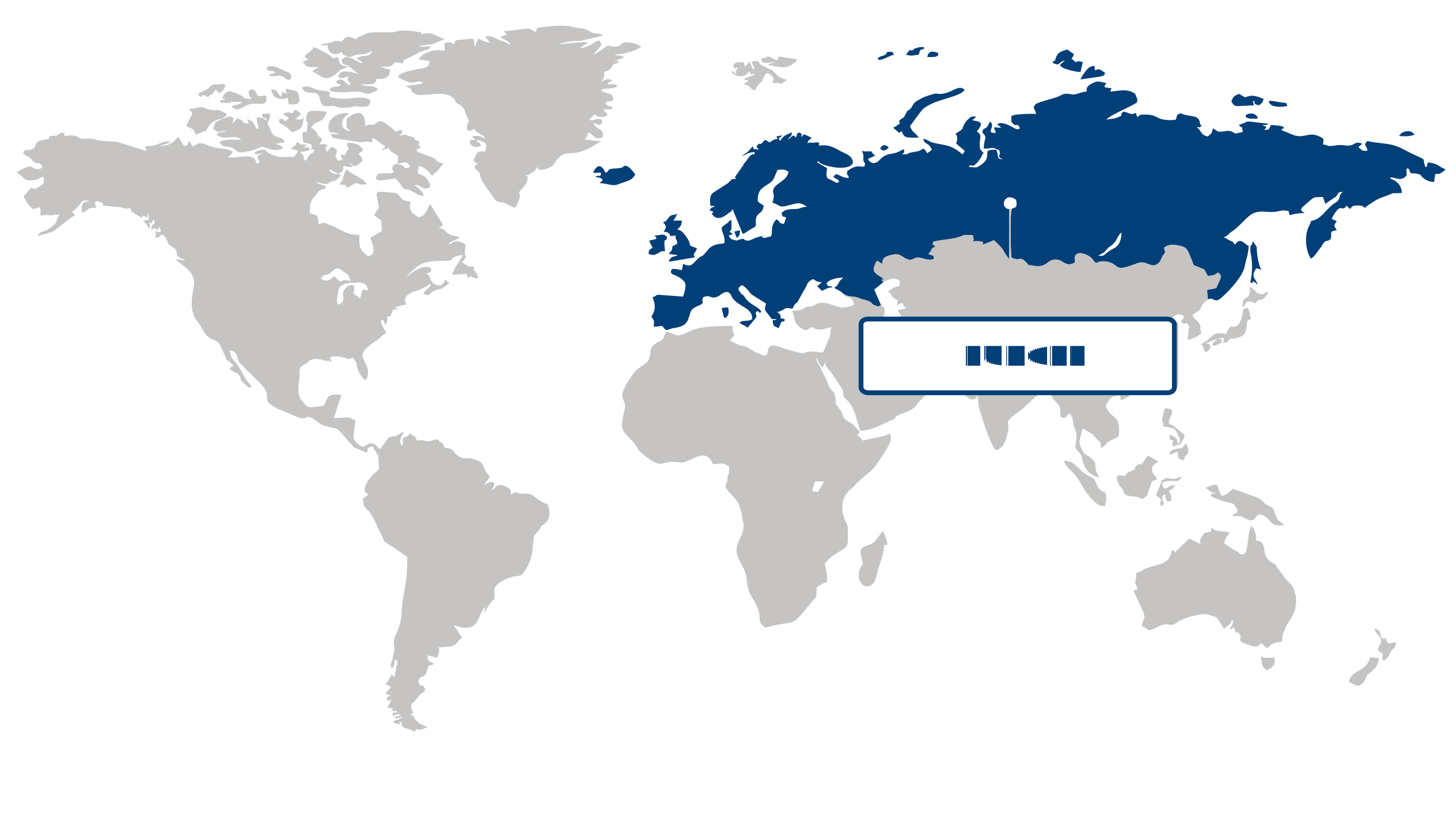
Europe (Largest Region)
The Europe vegan yogurt market accounted for the largest market share of 51.71%. This dominance is primarily driven by growing consumer awareness of plant-based nutrition, increasing adoption of vegan diets, and strong demand for dairy alternatives across the region. Consumers are increasingly seeking products that align with health-conscious lifestyles, animal welfare considerations, and environmental sustainability goals, supporting the expansion of plant-based yogurt offerings. The availability of vegan yogurt made from soy, almond, oat, coconut, and other plant-based ingredients is broadening consumer choice and encouraging adoption among both dedicated vegan consumers and flexitarian households. In addition, the established retail distribution network across supermarkets, specialty stores, and online channels is improving product accessibility. Continuous product development focused on taste, texture, nutritional value, and probiotic functionality is also helping manufacturers address traditional concerns regarding the sensory characteristics of dairy alternatives. The region’s established plant-based food market and growing preference for sustainable food choices continue to reinforce demand for vegan yogurt.
Asia Pacific (Fastest-Growing Region)
Asia Pacific is expected to be the fastest-growing region in the vegan yogurt market, driven by rising health awareness, expanding urban populations, and increasing consumer interest in plant-based food products. The region’s established consumption of soy-based foods and other plant-derived ingredients provides a favorable foundation for the development of alternative yogurt products. Growing awareness of digestive health, lactose intolerance, and the nutritional characteristics of plant-based diets is encouraging consumers to explore dairy-free alternatives. In addition, urbanization, changing dietary preferences, and the expansion of modern retail and e-commerce channels are improving access to packaged vegan yogurt products. Manufacturers are introducing a broader range of flavors, formulations, and plant-based ingredients to accommodate regional tastes and different purchasing preferences. Increasing interest in sustainable food consumption is also contributing to market development, particularly among younger and health-conscious consumers. As product availability improves and awareness of dairy alternatives expands, Asia Pacific is positioned to experience strong growth in vegan yogurt adoption.
| Parameter | North America | Asia Pacific | Europe | Latin America | MEA |
|---|---|---|---|---|---|
| Innovation HubiScaleNascentDeveloping Advanced | |||||
| Cost-Sensitive RegioniScaleLowMedium High | |||||
| Regulatory EnvironmentiScaleRestrictiveNeutral Supportive | |||||
| Demand DriversiScaleWeakModerate Strong | |||||
| Development StageiScaleEmergingDeveloping Developed | |||||
| Adoption RateiScaleLowMedium High | |||||
| New Entrants / StartupsiScaleSparseModerate Dense | |||||
| Macro IndicatorsiScaleWeakStable Strong |
Key Country Insights
United States 🇺🇸
Plant-Based Product VarietyThe U.S. vegan yogurt market is shaped by demand for diverse plant-based formats, flavors, and nutritional profiles. Brands are prioritizing high-protein formulations, clean-label ingredients, improved texture, and convenient single-serve formats to strengthen everyday consumption beyond niche dietary use.
Germany 🇩🇪
Clean-Label Dairy AlternativesGermany’s vegan yogurt market places strong emphasis on recognizable ingredients, sustainability, and nutritional credibility. Manufacturers are refining oat, soy, and coconut-based formulations while expanding organic and unsweetened options, with packaging and ingredient transparency supporting differentiation in mainstream retail.
Japan 🇯🇵
Functional Plant YogurtJapan’s market favors vegan yogurt products that combine plant-based positioning with familiar taste and functional benefits. Producers are focusing on smooth textures, moderate sweetness, digestive-health positioning, and convenient formats suited to breakfast and snack occasions.
South Korea 🇰🇷
Premium Taste InnovationSouth Korea’s vegan yogurt segment is increasingly centered on taste, texture, and premium product presentation. Brands are developing refined plant-based formulations, fruit and dessert-inspired flavors, and convenient packaging while using café and wellness channels to broaden consumer trial.
France 🇫🇷
Culinary Plant-Based AlternativesFrance’s vegan yogurt market benefits from demand for products that preserve indulgent taste and culinary appeal without dairy. Producers are emphasizing creamy textures, natural ingredients, sophisticated flavors, and organic positioning while expanding alternatives suitable for breakfast and cooking applications.
Italy 🇮🇹
Natural Yogurt AlternativesItaly’s market prioritizes plant-based yogurts that align with natural ingredient preferences and familiar eating habits. Brands are developing almond, oat, and soy variants with balanced flavors and versatile formats, while premium positioning and compatibility with breakfast and dessert occasions support adoption.
Vegan Yogurt Market Share (%), by Product, 2026
Go beyond the chart, access full insights & data tables
Request Free Sample ReportProduct Segment Analysis: Soy (Largest Segment) vs Almond (Fastest-Growing Segment)
The soy segment dominated the product segment, accounting for a 49.71% vegan yogurt market share in 2026, supported by its established consumer acceptance, nutritional characteristics, and suitability as a dairy-free alternative. Soy-based yogurt provides a relatively high plant-based protein content and offers a creamy texture that closely resembles conventional dairy yogurt, making it attractive to consumers seeking nutritious alternatives to animal-derived products. Its versatility in plain, flavored, and fortified formulations also enables manufacturers to address diverse dietary preferences and consumption occasions. Furthermore, the established availability of soy ingredients and manufacturing expertise supports consistent product development and commercial distribution. Growing awareness of plant-based diets, lactose intolerance, and sustainable food consumption is further contributing to soy-based yogurt share. Continuous improvements in fermentation techniques, flavor profiles, and texture are also helping manufacturers enhance product appeal and maintain a dominant market share in 2026.
The almond segment is projected to register the fastest growth in market share as consumers increasingly seek plant-based dairy alternatives with distinct taste profiles and perceived health benefits through 2026. Almond-based yogurt appeals particularly to individuals looking for dairy-free options that complement health-conscious and flexitarian dietary preferences. Its mild, nutty flavor provides flexibility for manufacturers to develop flavored varieties, dessert-style products, and functional formulations. Additionally, increasing interest in plant-based foods with diversified ingredient sources is encouraging product innovation beyond conventional soy-based alternatives. Manufacturers are also focusing on improving the creaminess, consistency, and nutritional composition of almond-based yogurt to address consumer expectations regarding taste and texture. The expansion of premium plant-based food offerings and growing availability through modern retail and digital distribution channels are further supporting the segment's market share growth.
Distribution Channel Segment Analysis: Hypermarkets, Supermarkets, & Convenience Stores (Largest Segment) vs Online (Fastest-Growing Segment)
In 2026, hypermarkets, supermarkets, and convenience stores accounted for the largest share of the distribution channel segment, supported by their extensive product assortments, established retail networks, and accessibility to mainstream consumers. These retail outlets provide consumers with opportunities to compare different plant-based yogurt brands, flavors, ingredients, and packaging formats before purchasing. The availability of refrigerated storage facilities is particularly important for vegan yogurt products, which require appropriate temperature management to maintain freshness and product quality. Additionally, supermarkets and hypermarkets frequently allocate dedicated shelf space to dairy alternatives, increasing product visibility and encouraging trial among consumers transitioning toward plant-based diets. Promotional campaigns, product sampling, and in-store merchandising further contribute to consumer awareness and purchase decisions. The established presence of these retail channels and their ability to serve diverse consumer groups continue to support their leading share in the vegan yogurt market.
The online distribution channel is expected to witness the fastest growth in market share as digital grocery shopping gains popularity and consumers increasingly prefer convenient access to specialized plant-based food products through 2026. Online platforms enable shoppers to explore a broader selection of vegan yogurt varieties, compare product ingredients, review nutritional information, and identify options suited to specific dietary preferences. The availability of subscription services, home delivery, and personalized product recommendations is further enhancing the convenience of online purchasing. Additionally, e-commerce platforms provide smaller and emerging vegan food brands with opportunities to reach consumers beyond traditional retail distribution networks. Improvements in refrigerated delivery infrastructure and cold-chain logistics are also helping address the storage and transportation requirements of perishable yogurt products. Growing digital engagement, expanding online grocery services, and increasing consumer interest in convenient purchasing experiences are collectively supporting the rapid growth of online market share.
| Segment | Sub-Segment | Largest Segment | Fastest Growing |
|---|---|---|---|
| Product | Soy, Almond, Rice, Others | Soy | Almond |
| Distribution Channel | Hypermarkets, Supermarkets, & Convenience Stores, Specialty Stores, Online | Hypermarkets, Supermarkets, & Convenience Stores | Online |
Unlock insights tailored to your business with our bespoke market research solutions.
Click to get your customized report now.
Competitive Landscape and Market Positioning
Analyst Perspective:
Product performance in the vegan yogurt space is driven by the delicate balance between sensory parity with traditional dairy and clean-label composition. While protein source diversification expands consumer choice across allergens and dietary needs, matching the familiar creaminess, texture, and mouthfeel of dairy remains the primary driver of repeat purchases. Attempts to simplify ingredient decks by reducing artificial stabilizers often conflict with structural stability and separation resistance during storage. Furthermore, while functional enrichment through gut-friendly probiotic strains offers clear nutritional differentiation, brands must maintain culture viability without compromising acidity or taste, making integrated formulation mastery the key competitive advantage.
Top players in the vegan yogurt market:
- Danone/Alpro (France)
- Oatly (Sweden)
- Silk (USA)
- The Coconut Cult (USA)
- Kite Hill (USA)
- So Delicious (USA)
- Califia Farms (USA)
- Forager Project (USA)
- Yoso (Canada)
- COYO (Australia)
| Company | Market Share | Company Revenue | Revenue CAGR (%) | Product Portfolio | Geographic Presence | Innovation / R&D Focus | Strategic Developments |
|---|---|---|---|---|---|---|---|
| Danone/Alpro (France) | |||||||
| Oatly (Sweden) | |||||||
| Silk (USA) | |||||||
| The Coconut Cult (USA) | |||||||
| Kite Hill (USA) | |||||||
| So Delicious (USA) | |||||||
| Califia Farms (USA) | |||||||
| Forager Project (USA) | |||||||
| Yoso (Canada) | |||||||
| COYO (Australia) |
Industry Development/News
| Company Name | Date | Key Development |
|---|---|---|
| The Coconut Collab | March 2025 | The Coconut Collab expanded its Protein Yogurt portfolio by launching a new Strawberry Protein flavor variant. The product combines a creamy coconut and almond base with a natural strawberry profile to strengthen the brand's position in the plant-based dairy category. |
| Jumbo | April 2024 | Dutch supermarket chain Jumbo introduced a new line of plant-based yogurts manufactured using Dutch-grown soy. This initiative aims to promote local and sustainable food production while offering consumers a nutritious and environmentally friendly alternative to traditional dairy options. |
Customize Your Report
Explore examples of how this report can be tailored to different research needs, including custom segments, additional topics or chapters, and related reports. Click a section of the wheel or its numbered marker to explore the available options.
Vegan Yogurt Market — Custom Segments
| Segment | Sub-Segment |
|---|---|
| Flavor Profile | Plain, Vanilla, Fruit-Based, Chocolate, Other Flavors |
| Price Tier | Economy, Mid-Range, Premium |
| Consumption Occasion | Breakfast, Snacking, Cooking & Baking, Dessert |
Vegan Yogurt Market — Custom TOC
| Custom Chapter | Chapter Details |
|---|---|
| Consumer Conversion & Retention Strategy |
|
| Retail Channel Expansion Playbook |
|
| Private Label Competitive Strategy |
|
Need a different cut of the data?
Request Custom ResearchFrequently Asked Questions
What is the overall size of the vegan yogurt market?
What are the growth projections for the vegan yogurt industry?
How is mainstream adoption of plant-based dairy alternatives expanding the vegan yogurt opportunity?
How are formulation and shelf-life innovations influencing purchasing and product development in vegan yogurt?
Why does soy-based yogurt dominate the vegan yogurt market?
How is online distribution creating growth opportunities in the vegan yogurt market?
Why does Europe dominate the vegan yogurt market?
How is Asia Pacific emerging as a high-growth market for vegan yogurt?
Which companies are driving growth in the vegan yogurt landscape?
Our Clients
"The report provided a thorough look at market trends, technological advancements, and the competitive landscape. The depth of insights was really valuable."
ITC Limited
"We would highly recommend Fundamental Business Insights & Consulting to anyone looking for reliable, detailed, and comprehensive market research in the Food industry."
Tyson Foods
"The clarity and presentation of the information were commendable. The report was delivered timely, which made the overall experience smooth and convenient."
Mondelēz International
Our Research Team & Methodology
Every Fundamental Business Insights report is built by a dedicated vertical research team, validated through a structured primary-and-secondary methodology, and reviewed for accuracy before it reaches you.
This report was prepared by the Food & Beverage Research Team at Fundamental Business Insights, a dedicated research group specializing in the global food, beverage, ingredients, and food processing industries. Our analysts continuously monitor evolving consumer preferences, product innovation, ingredient developments, food safety regulations, manufacturing technologies, supply chain dynamics, pricing trends, sustainability initiatives, and changing retail and foodservice landscapes to deliver timely and reliable market intelligence. The research is developed using a structured methodology that combines primary discussions with food manufacturers, ingredient suppliers, distributors, retailers, industry experts, and other key stakeholders, along with company annual reports, regulatory publications, government trade statistics, food safety authorities, industry associations, technical publications, and other authoritative secondary sources. Market estimates are validated through multiple research techniques, including top-down and bottom-up analysis, before undergoing an internal quality review to ensure accuracy, consistency, and methodological integrity prior to publication.
Delivery
Published
Available
Support
- Market Size & Forecast
- Market Segmentation
- Regional Analysis
- Growth Drivers & Challenges
- Market Dynamics
- Competitive Landscape
- Company Profiles
- Competitive Benchmarking
- Mergers & Acquisitions
- Market Share Analysis or Key Company Strategies
- Value Chain Analysis
- Porter's Five Forces
- PESTLE Analysis
- Pricing Trends
- Supply-Demand Analysis
- Technology Landscape
- Regulatory Landscape
- Investment & Funding Landscape
- Emerging Opportunities
- Future Market Outlook