



Wheat Germ Oil Market Size & Forecasts 2026-2035, By Segments (Nature, End-use, Distribution Channel), Growth Opportunities, Innovation Landscape, Regulatory Shifts, Strategic Regional Insights (U.S., Japan, China, South Korea, UK, Germany, France), and Competitive Dynamics (Archer Daniels Midland, Cargill, Connoils, General Nutrition Centers, NOW Foods)
Market Size and Growth Outlook
Wheat Germ Oil Market size is predicted to expand from USD 696.72 million in 2025 to USD 1.2 billion by 2035, with growth underpinned by a CAGR above 5.6% between 2026 and 2035. The industry revenue outlook for 2026 is USD 730.59 million.
Base Year Value (2025)
USD 696.72 Million
CAGR (2026-2035)
5.6%
Forecast Year Value (2035)
USD 1.2 Billion

Historical Data Period
2021-2025

Largest Region
Europe

Forecast Period
2026-2035
Key Takeaways
- Europe region acquired over 39.1% revenue share in 2025, supported by strong demand in European cosmetics and nutraceuticals.
- Asia Pacific region will register more than 6.5% CAGR during the forecast period, attributed to rising health-conscious consumer base in asia.
- Capturing 63.7% wheat germ oil market share in 2025, conventional segment expanded its dominance, supported by cost-effectiveness and wider availability in food and cosmetic applications.
- The Supermarkets/Hypermarkets segment reached 46.35% revenue share in 2025, fueled by extensive retail presence and consumer accessibility.
- With 41.2% market share in 2025, food and beverages segment’s growth was led by high demand in functional foods and culinary applications.
- The leading players in the wheat germ oil market include Archer Daniels Midland (USA), Cargill (USA), Connoils (USA), General Nutrition Centers (USA), NOW Foods (USA), VIOBIN (USA), Leiber Group (Germany), Gustav Heess (Germany), Henry Lamotte Oils (Germany), Aryan International (India).
Market Growth Drivers and Industry Trends
Rising Adoption in Dietary Supplements & Nutraceuticals
The wheat germ oil market is experiencing significant growth driven by the rising adoption of wheat germ oil in dietary supplements and nutraceuticals. Consumers are increasingly seeking natural sources of vitamins and essential fatty acids, leading to a surge in demand for wheat germ oil, which is rich in vitamin E and omega-3 fatty acids. According to the European Food Safety Authority, the health benefits associated with wheat germ oil, such as its antioxidant properties, are resonating with health-conscious consumers. This trend not only presents opportunities for established players to enhance their product lines but also encourages new entrants to innovate with formulations that cater to the growing health and wellness market. As consumer preferences shift towards holistic health solutions, the wheat germ oil market is well-positioned to capitalize on this demand, driving further product diversification and brand loyalty.
Expanding Use in Cosmetics & Skincare Formulations
The expanding use of wheat germ oil in cosmetics and skincare formulations is another pivotal growth driver for the wheat germ oil market. With increasing awareness of the harmful effects of synthetic ingredients, consumers are gravitating towards natural and organic products. The Personal Care Products Council highlights that wheat germ oil is valued for its moisturizing and anti-aging properties, making it a sought-after ingredient in premium skincare lines. This trend creates strategic opportunities for both established beauty brands and startups to differentiate their products by incorporating wheat germ oil, thus appealing to a growing demographic that prioritizes clean beauty. As regulatory frameworks continue to evolve towards stricter guidelines on ingredient transparency, the wheat germ oil market is likely to see enhanced growth as brands align their offerings with consumer demand for sustainability and ethical sourcing.
Increasing Applications in Pharmaceuticals
The increasing applications of wheat germ oil in pharmaceuticals are shaping the trajectory of the wheat germ oil market significantly. As research from the National Institutes of Health indicates, wheat germ oil is being explored for its potential therapeutic benefits, including its role in cardiovascular health and anti-inflammatory properties. This growing recognition within the pharmaceutical sector opens avenues for collaboration between agricultural producers and pharmaceutical companies, paving the way for innovative product development. Established players can leverage their expertise in extraction and formulation, while new entrants can focus on niche applications that meet specific health needs. As the pharmaceutical industry continues to prioritize natural ingredients, the wheat germ oil market stands to benefit from increased investment and research, reinforcing its position in health-focused applications.
Industry Restraints:
Regulatory Compliance Challenges
The wheat germ oil market faces significant constraints due to stringent regulatory compliance requirements imposed by various health and safety authorities. These regulations often necessitate extensive testing and certification processes, which can lead to increased operational costs and delays in product launch. For instance, the European Food Safety Authority (EFSA) has set rigorous standards for food additives, impacting how wheat germ oil is processed and marketed. Companies must navigate complex labeling laws and safety assessments, which can deter new entrants lacking the resources to meet these demands. As established players invest heavily in compliance, smaller firms may struggle to compete, leading to a market landscape dominated by a few large entities. In the near to medium term, these regulatory hurdles are expected to persist, potentially stifling innovation and limiting the introduction of new products in a market increasingly focused on health and wellness.
Supply Chain Disruptions
Supply chain vulnerabilities represent another critical restraint for the wheat germ oil market, exacerbated by global events such as the COVID-19 pandemic and geopolitical tensions. The reliance on specific agricultural regions for wheat production makes the market susceptible to fluctuations in supply due to adverse weather conditions or trade restrictions. For example, the Food and Agriculture Organization (FAO) has reported disruptions in supply chains that have led to increased prices and reduced availability of raw materials. This situation poses challenges for both established companies, which may face rising costs and inventory shortages, and new entrants, who may find it difficult to establish reliable sourcing channels. As these supply chain issues continue, they are likely to hinder market growth and compel companies to seek more resilient sourcing strategies, potentially reshaping the competitive dynamics within the wheat germ oil sector.
| Growth Driver Assessment Framework | |||||
| Growth Driver | Impact On CAGR | Regulatory Influence | Geographic Relevance | Adoption Rate | Impact Timeline |
|---|---|---|---|---|---|
| Rising adoption in dietary supplements & nutraceuticals | 1.70% | Short term (≤ 2 yrs) | North America, Europe (spillover: Asia Pacific) | Low | Fast |
| Expanding use in cosmetics & skincare formulations | 2.00% | Medium term (2–5 yrs) | Europe, Asia Pacific (spillover: Latin America) | Medium | Moderate |
| Increasing applications in pharmaceuticals | 1.20% | Long term (5+ yrs) | North America, Asia Pacific (spillover: Europe) | High | Moderate |
Unlock insights tailored to your business with our bespoke market research solutions - Click to get your customized report now!
Regional Demand Dynamics
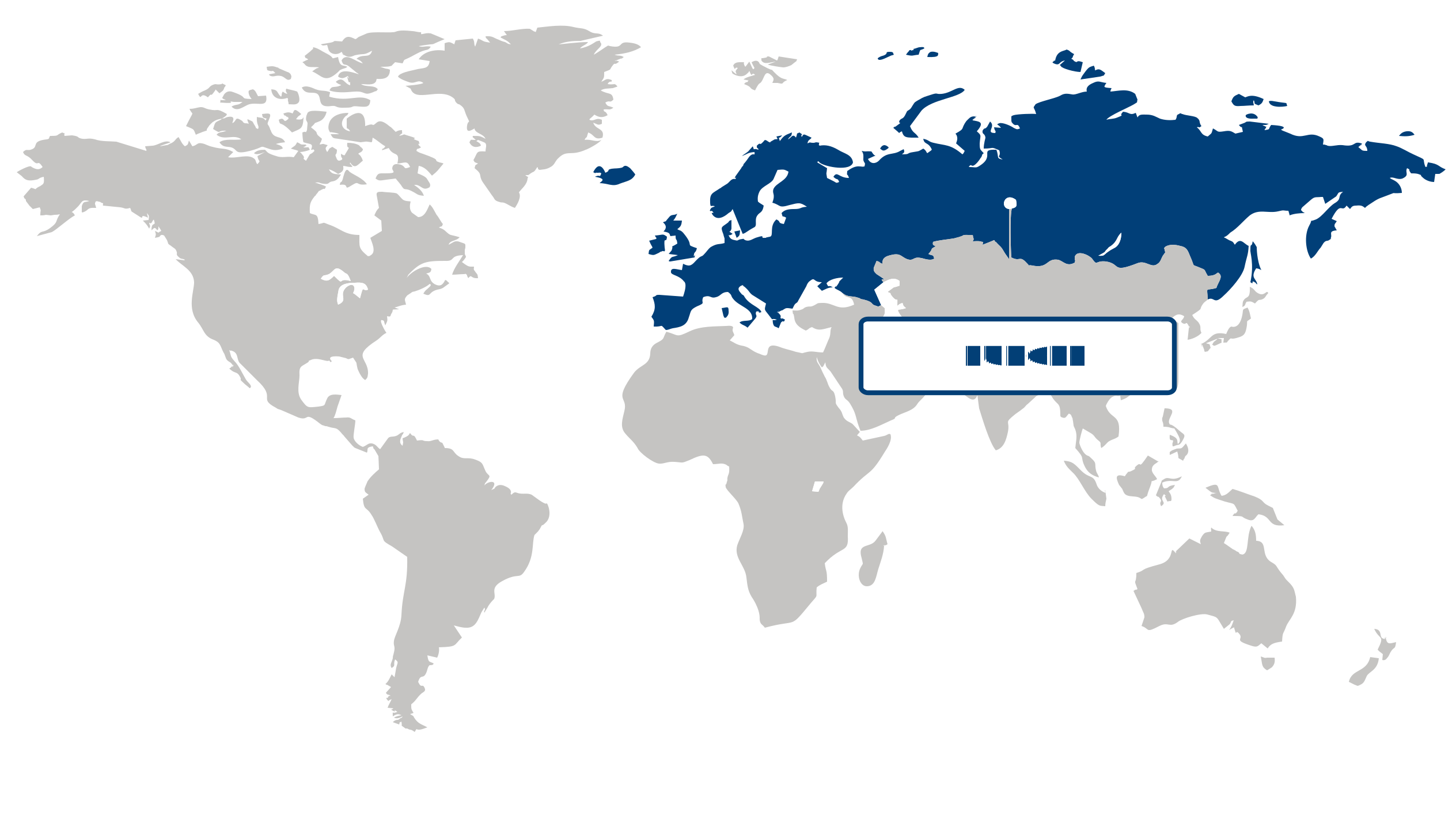
Largest Region
Europe
39.1% Market Share in 2025
Europe Market Statistics:
Europe represented more than 39.1% of the global wheat germ oil market in 2025, establishing itself as the largest player in this sector. This dominance is largely attributed to the robust demand for wheat germ oil in the cosmetics and nutraceuticals industries, where consumers increasingly prioritize health and wellness products featuring natural ingredients. The region's commitment to sustainability and innovation has also contributed to its leadership, as companies adapt to shifting consumer preferences and regulatory frameworks aimed at promoting environmentally friendly practices. For instance, the European Commission’s Green Deal emphasizes sustainability, encouraging the use of natural oils like wheat germ oil in various applications, thereby enhancing market growth prospects. Furthermore, the region's well-established supply chains and advanced technological infrastructure facilitate efficient distribution and product development, positioning Europe as a key opportunity hub in the wheat germ oil market.
Germany anchors the wheat germ oil market in Europe, driven by a strong consumer preference for high-quality, natural products within the cosmetics and nutraceutical sectors. The country’s regulatory environment supports innovation and quality assurance, as seen in the Federal Institute for Risk Assessment’s stringent guidelines that promote safe and effective product formulations. This focus on quality has led to increased investment in research and development among German companies, such as Wacker Chemie AG, which has been actively exploring the benefits of wheat germ oil in skincare formulations. As a result, Germany not only strengthens its domestic market but also serves as a launchpad for wheat germ oil products across Europe, enhancing the region's competitive edge.
France plays a pivotal role in the wheat germ oil market, characterized by a growing trend towards natural and organic ingredients among consumers. The French market is increasingly influenced by cultural dynamics that favor artisanal and locally sourced products, leading to a rise in demand for wheat germ oil in gourmet food and wellness products. Notably, companies like Les Laboratoires de Biarritz are capitalizing on this trend by integrating wheat germ oil into their organic skincare lines, appealing to environmentally conscious consumers. This cultural affinity for natural products aligns with broader European trends towards sustainability, further solidifying France's contribution to the region's leadership in the wheat germ oil market. Together, these country-specific dynamics highlight Europe’s comprehensive strengths and significant opportunities in the wheat germ oil market.
Asia Pacific Market Analysis:
Asia Pacific emerged as the fastest-growing region in the wheat germ oil market, registering rapid growth with a robust CAGR of 6.5%. This growth is largely driven by a rising health-conscious consumer base in Asia, which is increasingly seeking natural and nutrient-rich products. The demand for wheat germ oil, known for its health benefits such as high vitamin E content and antioxidant properties, aligns well with shifting consumer preferences towards healthier dietary choices. Additionally, the region's economic resilience and increasing disposable incomes are facilitating greater spending on health and wellness products, further propelling market growth. Reports from the Food and Agriculture Organization (FAO) indicate a significant uptick in health-oriented product consumption, underscoring the region's pivotal role in the global wheat germ oil market.
Japan plays a crucial role in the Asia Pacific wheat germ oil market, characterized by its sophisticated consumer base that prioritizes health and wellness. The rising health-conscious consumer base is particularly evident in Japan, where there is a strong preference for organic and natural products. This trend is reflected in the increasing availability of wheat germ oil in health food stores and online platforms, catering to consumers seeking to enhance their nutritional intake. Regulatory support for health supplements has also fostered a favorable environment for the wheat germ oil market. According to the Ministry of Health, Labour and Welfare of Japan, there is a growing emphasis on preventive healthcare, which aligns with the consumption patterns of wheat germ oil. As a result, Japan's market dynamics not only reinforce the regional growth but also present significant opportunities for product innovation and strategic partnerships.
China stands out as another key player in the Asia Pacific wheat germ oil market, driven by its rapidly evolving consumer landscape. The rising health-conscious consumer base in China is increasingly turning towards natural oils, including wheat germ oil, as part of a broader shift towards healthier lifestyles. This trend is supported by the Chinese government's initiatives promoting nutrition and wellness, as reported by the National Health Commission of China. Furthermore, the proliferation of e-commerce platforms has made wheat germ oil more accessible to a larger audience, enhancing consumer awareness and adoption. The competitive landscape is intensifying as local and international brands vie for market share, leveraging digital marketing strategies to reach health-focused consumers. China's dynamic market environment offers substantial growth prospects, making it an integral component of the Asia Pacific wheat germ oil market's future.
North America Market Trends:
The North America region holds a commanding share in the wheat germ oil market, driven by a combination of robust consumer demand and a growing inclination towards health-conscious products. This region is particularly significant due to its advanced agricultural practices, which ensure a steady supply of high-quality wheat germ, as well as increasing awareness among consumers regarding the health benefits associated with wheat germ oil, such as its rich nutrient profile and potential antioxidant properties. Furthermore, recent shifts in consumer preferences towards natural and organic products have led to a surge in demand for wheat germ oil, aligning with broader sustainability priorities and regulatory support for clean-label products. The U.S. Department of Agriculture (USDA) has noted an uptick in organic wheat production, reflecting this trend and indicating a favorable environment for market expansion. Looking ahead, North America presents substantial opportunities for growth in the wheat germ oil market, particularly as innovation in product formulations and digital marketing strategies continue to evolve.
The U.S. plays a pivotal role in the wheat germ oil market, characterized by significant consumer interest in health and wellness products. This interest is evidenced by a report from the Food and Drug Administration (FDA) highlighting the increasing incorporation of wheat germ oil in dietary supplements and cosmetics, driven by its perceived health benefits and multifunctional uses. Additionally, the competitive landscape in the U.S. is marked by a proliferation of brands emphasizing transparency and sustainability, which resonates well with modern consumers. For instance, companies like Spectrum Organic Products are leveraging their commitment to organic sourcing to capture market share. This focus on quality and ethical sourcing not only enhances brand loyalty but also aligns with broader trends in consumer spending towards premium and health-oriented products. Thus, the U.S. market’s dynamic nature offers strategic implications for regional players looking to capitalize on these evolving consumer behaviors.
Canada also contributes significantly to the wheat germ oil market, with its growing emphasis on health and wellness driving demand. The Canadian government, through Agriculture and Agri-Food Canada, has reported a rise in the cultivation of high-quality wheat varieties, enhancing the availability of raw materials for wheat germ oil production. This aligns with the increasing adoption of wheat germ oil in both food and cosmetic sectors, as Canadian consumers increasingly seek natural alternatives. Brands such as Manitoba Harvest are at the forefront, promoting the nutritional benefits of hemp-based products, including wheat germ oil, thereby tapping into the plant-based trend. This cultural shift towards healthier living not only fosters innovation within the sector but also positions Canada as a key player in the North American wheat germ oil market. The synergies between consumer preferences and agricultural advancements in Canada further bolster the region’s overall market potential.
No card data available for this language/report.
Segment Leadership and Growth Trends
Analysis by Nature
The wheat germ oil market in the Nature segment is led by conventional wheat germ oil, which dominated the segment with a 63.7% share in 2025. This dominance is attributed to its cost-effectiveness and wider availability in food and cosmetic applications, making it a preferred choice among consumers and manufacturers alike. The increasing focus on affordability without compromising quality has driven demand, particularly in regions where price sensitivity is prevalent. As consumers increasingly prioritize value, established firms can leverage their supply chain efficiencies to meet this demand, while emerging players can find opportunities in niche markets. Given the ongoing trends toward sustainability and natural products, conventional wheat germ oil is expected to maintain its relevance in the near to medium term as it aligns with consumer preferences for accessible and effective solutions.
Analysis by Distribution Channel
In the wheat germ oil market, the Supermarkets/Hypermarkets segment captured over 46.4% share of the distribution landscape in 2025. This leadership stems from the extensive retail presence and consumer accessibility provided by these channels, which facilitate broader product visibility and convenience for shoppers. The trend toward one-stop shopping experiences has reinforced the importance of supermarkets and hypermarkets in distributing wheat germ oil products, catering to a diverse consumer base. Furthermore, as digital transformation reshapes retail environments, established firms can capitalize on their existing networks, while new entrants can explore partnerships with these large retailers to enhance their market reach. With a shifting consumer landscape favoring convenience and variety, this segment is poised to remain significant in the evolving wheat germ oil market.
Analysis by End-use
The wheat germ oil market's Food and Beverages segment represented more than 41.2% of the overall end-use category in 2025. This segment's prominence is driven by high demand in functional foods and culinary applications, as consumers increasingly seek health-conscious options that integrate beneficial ingredients like wheat germ oil. The growing interest in nutritional value and the incorporation of natural oils in cooking have positioned this segment as a key player in the market. Established firms can leverage their brand reputation to introduce innovative products, while emerging players can tap into the rising trend of health-focused eating. As the demand for functional foods continues to grow, the Food and Beverages segment is expected to remain a vital part of the wheat germ oil market's landscape.
| Report Segmentation | |||
| Segment | Sub-Segment | Largest Segment | Fastest Growing Segment |
|---|---|---|---|
| Nature | Organic, Conventional | ||
| End-use | Food and Beverages, Pharmaceuticals, Bakery, Nutritional Supplements, Others | ||
| Distribution Channel | Online Retail, Supermarkets/Hypermarkets, Specialty Stores, Pharmacy and Drugstores | ||
 Read our Research Approach
Competitive Landscape and Market Positioning
Key players in the wheat germ oil market include Archer Daniels Midland, Cargill, Connoils, General Nutrition Centers, NOW Foods, VIOBIN, Leiber Group, Gustav Heess, Henry Lamotte Oils, and Aryan International. These companies have established a robust presence through diverse product offerings and strong distribution networks, positioning themselves as influential entities in the industry. Their commitment to quality and innovation has enabled them to capture significant market share, catering to a variety of sectors including food, cosmetics, and nutraceuticals. Each player leverages its unique strengths, such as technological advancements and extensive research capabilities, to enhance their competitive edge and meet evolving consumer demands.
The competitive landscape of the wheat germ oil market is characterized by dynamic strategic initiatives among the top players. Collaborative efforts and innovative product development have been pivotal in shaping their market positioning. For instance, several companies are actively enhancing their portfolios through the introduction of value-added products that cater to health-conscious consumers. Investments in research and development are also prominent, as firms seek to leverage new extraction technologies and improve product efficacy. These initiatives not only foster innovation but also reinforce the players' capabilities to respond to shifts in consumer preferences and competitive pressures, thereby solidifying their standing in the market.
Strategic / Actionable Recommendations for Regional Players
In North America, opportunities may lie in forming strategic partnerships with health and wellness brands to expand distribution channels and enhance product visibility. Exploring collaborations with emerging technology firms could facilitate the adoption of advanced extraction methods, thereby improving product quality and efficiency.
For players in the Asia Pacific region, targeting specific high-growth sub-segments such as organic and plant-based products could yield significant benefits. Engaging with local agricultural producers may also create synergies that enhance supply chain efficiency and product authenticity, catering to the growing demand for natural ingredients.
In Europe, aligning with sustainability initiatives and eco-friendly practices can resonate well with the environmentally conscious consumer base. Establishing alliances with research institutions may drive innovation in product formulation, enabling companies to stay ahead in a competitive market that increasingly values transparency and sustainability.
Why Choose Us
Specialized Expertise: Our team comprises industry experts with a deep understanding of your market segment. We bring specialized knowledge and experience that ensures our research and consulting services are tailored to your unique needs.
Customized Solutions: We understand that every client is different. That's why we offer customized research and consulting solutions designed specifically to address your challenges and capitalize on opportunities within your industry.
Proven Results: With a track record of successful projects and satisfied clients, we have demonstrated our ability to deliver tangible results. Our case studies and testimonials speak to our effectiveness in helping clients achieve their goals.
Cutting-Edge Methodologies: We leverage the latest methodologies and technologies to gather insights and drive informed decision-making. Our innovative approach ensures that you stay ahead of the curve and gain a competitive edge in your market.
Client-Centric Approach: Your satisfaction is our top priority. We prioritize open communication, responsiveness, and transparency to ensure that we not only meet but exceed your expectations at every stage of the engagement.
Continuous Innovation: We are committed to continuous improvement and staying at the forefront of our industry. Through ongoing learning, professional development, and investment in new technologies, we ensure that our services are always evolving to meet your evolving needs.
Value for Money: Our competitive pricing and flexible engagement models ensure that you get maximum value for your investment. We are committed to delivering high-quality results that help you achieve a strong return on your investment.
Select Licence Type

