Automotive Steering Torque Sensor Market Size & Forecasts 2026-2035, By Segments (Sensor Type, Vehicle Type, Application, Output Signal Type, Mounting Location), Growth Opportunities, Innovation Landscape, Regulatory Shifts, Strategic Regional Insights (U.S., Japan, China, South Korea, UK, Germany, France), and Competitive Dynamics (Robert Bosch GmbH, Continental AG, ZF Friedrichshafen AG, DENSO Corporation, JTEKT Corporation)
Jump to Content
Market Size and Growth Outlook
Automotive Steering Torque Sensor Market size is estimated to increase from USD 1.67 billion in 2025 to USD 3.29 billion by 2035, supported by a CAGR exceeding 7% during 2026-2035. In 2026, revenues are forecast to reach USD 1.77 billion.
Get more details on this report
Request Free Sample ReportAutomotive Steering Torque Sensor Market Intelligence Snapshot
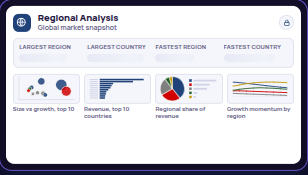
Regional Market Dynamics
Segment Momentum
Market Expansion Drivers
Leading Market Participants
Global Market Forecast Snapshot
Market Outlook
Regional and Segment Outlook
Market Growth Drivers and Industry Trends
The automotive steering torque sensor market is being propelled by the increasing integration of advanced steering systems such as Electric Power Steering (EPS) and steer-by-wire technologies in modern vehicles. Consumers' preference for enhanced driving comfort and vehicle control has encouraged automakers like Toyota and Tesla to incorporate sophisticated torque sensors that improve responsiveness and reduce mechanical complexity. Moreover, this shift aligns with broader industry trends privileging digital and electrified subsystems, as highlighted in Bosch’s latest corporate release emphasizing their EPS innovations. This evolution offers established suppliers opportunities to deepen collaborations with OEMs, while new entrants can introduce differentiated sensor technologies targeting niche applications. As vehicle electrification and automation continue advancing, the market will increasingly prioritize steering torque sensors that deliver superior integration and reliability.
Technological Advancements in Torque Sensor Precision
The automotive steering torque sensor market benefits significantly from breakthroughs in sensor miniaturization and signal accuracy, driven by companies such as Infineon Technologies, which recently unveiled their latest high-precision torque sensors designed for automotive applications. These improvements address the critical need for precise feedback in steering systems, enabling adaptive control functionalities and real-time diagnostics. As vehicles become more connected and autonomous, the demand for sensors capable of delivering consistent high fidelity data escalates. For existing players, this creates incentives for R&D investments to maintain competitive edges, while newcomers can capitalize on emerging technologies such as MEMS and magnetoresistive sensors. Looking ahead, continuous innovation in sensor precision will become essential to fulfilling the evolving requirements of intelligent vehicle systems.
Vehicle Safety Regulations Supporting Advanced Steering Technologies
The automotive steering torque sensor market is closely influenced by increasingly stringent safety regulations issued by agencies such as the National Highway Traffic Safety Administration (NHTSA) and the European New Car Assessment Programme (Euro NCAP). These bodies mandate enhanced vehicle stability and active safety features, which rely heavily on accurate torque sensing for functions like Electronic Stability Control and Automated Emergency Steering. Regulatory shifts compel automakers to integrate advanced torque sensors to achieve compliance, a dynamic underlined in Stellantis’ recent sustainability and safety roadmap. This regulatory environment offers strategic openings for sensor manufacturers to position themselves as indispensable partners in safety-critical systems. Progressively tighter standards will continue to drive demand, reinforcing the market’s growth trajectory through compliance-driven innovation.
Industry Restraints:
High Costs and Complexity of Advanced Sensor Integration
The integration of sophisticated steering torque sensors into modern vehicles imposes significant cost and technological challenges, which constrain market acceleration. These sensors require precise calibration and advanced electronics to deliver accurate feedback essential for electric power steering and autonomous driving systems. According to Bosch’s 2023 technical insight briefing, the need for high-precision components drives up manufacturing expenses, impacting automakers’ cost structures and limiting widespread adoption, particularly among mid-tier and economy vehicle segments. This financial and operational burden pressures OEMs to balance sensor performance against affordability, complicating product development cycles. For both incumbents and startups, investments in R&D and scaling remain risky, potentially delaying innovation diffusion. Given ongoing advancements in automotive automation and regulatory safety standards, the demand for cost-effective integration solutions will compel participants to optimize sensor design and manufacturing efficiency to overcome this restraint in the medium term.
Supply Chain Disruptions and Component Shortages
Persistent supply chain disruptions, particularly semiconductor shortages, have significantly hindered the steady production of automotive steering torque sensors, limiting market growth. The International Organization of Motor Vehicle Manufacturers (OICA) highlighted in their 2023 production report that global chip shortages led to delayed vehicle assembly and constrained sensor availability. Since torque sensors rely on specialized microcontrollers and signal processors, supply interruptions cascade into longer lead times and inventory shortages, escalating costs and hampering responsiveness. This environment creates competitive pressures for established suppliers with diversified sourcing against emerging players struggling to secure critical components. Strategically, companies must enhance supply chain resilience and develop alternative procurement strategies to mitigate these risks. Looking ahead, while semiconductor supply is expected to stabilize, cyclical disruptions and geopolitical tensions will persist as a moderating factor on market expansion through at least the next few years.
| Growth Driver | Impact on CAGR | Regulatory Influence | Geographic Relevance | Adoption Rate | Impact Timeline |
|---|---|---|---|---|---|
| Growing adoption of advanced steering systems | 3.00% | Short term (≤ 2 yrs) | North America, Europe | Medium | Fast |
| Technological advancements in torque sensor precision | 2.50% | Medium term (2–5 yrs) | Asia Pacific, Europe | Low | Moderate |
| Vehicle safety regulations supporting advanced steering technologies | 2.00% | Long term (5+ yrs) | Europe, North America | High | Moderate |
Unlock insights tailored to your business with our bespoke market research solutions.
Click to get your customized report now.
Regional Demand Dynamics

Asia Pacific dominated the automotive steering torque sensor market by capturing over 45% of the global share in 2025, accompanied by the fastest growth rate at an 8.2% CAGR. This region's leadership stems largely from the rapid adoption of electric power steering (EPS) systems, fueled by high vehicle production volumes in countries like China and Japan. The region’s automotive sector benefits from robust manufacturing infrastructure and growing consumer preferences for technologically advanced, fuel-efficient vehicles. Regulatory encouragements promoting electrification, such as China’s NEV mandate, and investments by major OEMs, including Toyota and BYD, reinforce market expansion. Supply chain enhancements and increasing collaborations between component suppliers and automakers also bolster market resilience. As connected and autonomous vehicle development intensifies, Asia Pacific is poised to remain a critical hub for steering torque sensor innovation, presenting considerable growth prospects.
Japan is positioned as a pivotal hub in Asia Pacific’s automotive steering torque sensor market, leveraging its prominence in EPS integration across premium and hybrid vehicle segments. Japan’s commitment to sustainability and technological innovation, highlighted by corporate announcements from Honda and Denso on advanced sensor R&D, underpins this growth. The country’s stringent safety and emissions regulations reinforce demand for precise torque sensor technologies that enhance driving comfort and energy efficiency. This regulatory rigor, along with strategic collaborations within Japan’s well-established automotive supply chain, strengthens its leadership role, ultimately supporting Asia Pacific’s competitive edge.
China stands at the forefront of Asia Pacific’s automotive steering torque sensor market, driven by massive vehicle production volumes and aggressive EPS system adoption. Backed by government policies such as the New Energy Vehicle (NEV) mandate and significant local investments from automakers like Geely and NIO, China fuels regional market growth. The rising middle-class demand for electric and smart vehicles further accelerates sensor uptake. Additionally, China’s expanding domestic supplier base and digital manufacturing advancements optimize production efficiency. These dynamics ensure China's crucial contribution to Asia Pacific’s market dominance while offering sustained opportunities for component innovation and scale.
Europe Market Analysis:
Europe maintained a notable market presence in the automotive steering torque sensor market, holding a significant share due to its advanced automotive manufacturing ecosystem and stringent regulatory standards. The region’s emphasis on vehicle safety and emission norms promotes the adoption of sophisticated sensor technologies that improve steering precision and energy efficiency. European automakers, such as Volkswagen and BMW, have been pioneers in integrating torque sensors to enhance driving dynamics and support advanced driver assistance systems (ADAS). Additionally, Europe’s push towards electrification accelerates the need for reliable torque sensors that cater to electric and hybrid vehicles, aligning with the continent’s sustainability priorities. This blend of regulatory rigor, technological innovation, and evolving consumer expectations positions Europe as a mature yet dynamic hub offering substantial opportunities in the automotive steering torque sensor market.
Germany leads Europe’s automotive steering torque sensor market, driven by its status as one of the world’s largest automobile producers. German manufacturers like Audi and Mercedes-Benz invest heavily in precision engineering and sensor technologies to meet domestic regulations from the Kraftfahrt-Bundesamt (Federal Motor Transport Authority), enhancing vehicle safety and performance. The country’s robust supplier network and digital manufacturing capabilities facilitate swift integration of torque sensors into next-generation electric vehicles and luxury models. Germany’s focus on innovation and quality consistently shapes regional standards, bolstering Europe’s competitiveness in this market. This technological leadership ensures Germany remains a pivotal market for automotive steering torque sensors, reinforcing broader European growth prospects.
France plays a vital role in Europe’s automotive steering torque sensor market by leveraging its strong presence in electric vehicle production and urban mobility solutions. French companies such as Renault prioritize sensor technologies that optimize vehicle control and energy efficiency, responding to government incentives supporting electric mobility and reduced emissions through entities like ADEME (French Environment and Energy Management Agency). Consumer demand for compact, efficient cars and expanding shared mobility frameworks further stimulate torque sensor adoption. France’s strategic focus on sustainability and smart vehicle integration highlights its position as a growth contributor within Europe, complementing the region’s overall momentum in advancing automotive steering torque sensor technologies.
North America Market Trends:
North America held a substantial share in the automotive steering torque sensor market, driven by the region’s strong automotive manufacturing base and early adoption of advanced vehicle safety technologies. The demand in the U.S. and Canada has been influenced by increasing consumer preference for vehicles equipped with enhanced driver-assistance systems, prompting manufacturers to integrate precise torque sensors for improved steering accuracy and safety. Regulatory pressure from organizations such as the National Highway Traffic Safety Administration (NHTSA) has also accelerated the incorporation of these sensors to meet stringent safety standards. Additionally, North America benefits from well-established supply chains and significant investments in automotive R&D hubs, exemplified by the U.S. Department of Energy’s initiatives supporting innovation in vehicle components. These dynamics position the region for steady innovation-driven growth, attracting automakers and sensor suppliers seeking to capitalize on evolving safety mandates and consumer expectations in the coming years.
The U.S. plays a pivotal role within North America’s automotive steering torque sensor market, primarily propelled by stringent government regulations and robust adoption of electric and autonomous vehicle technologies. The NHTSA’s ongoing updates to vehicle safety standards compel OEMs (Original Equipment Manufacturers) to enhance steering precision, a crucial factor in semi-autonomous driving systems relying on torque sensors. Companies like Delphi Technologies and Bosch have announced expansions in sensor manufacturing capacity in U.S.-based plants to meet surging demand, as detailed in their corporate press releases. This regulatory and technological ecosystem fosters a competitive marketplace emphasizing innovation and quality. Strategically, the U.S. continues to set the pace for regional developments, presenting substantial opportunities for sensor manufacturers to align product offerings with evolving compliance frameworks and sophisticated vehicle architectures, thereby reinforcing North America’s leadership in the automotive steering torque sensor market.
| Parameter | North America | Asia Pacific | Europe | Latin America | MEA |
|---|---|---|---|---|---|
| Innovation HubiScaleNascentDeveloping Advanced | |||||
| Cost-Sensitive RegioniScaleLowMedium High | |||||
| Regulatory EnvironmentiScaleRestrictiveNeutral Supportive | |||||
| Demand DriversiScaleWeakModerate Strong | |||||
| Development StageiScaleEmergingDeveloping Developed | |||||
| Adoption RateiScaleLowMedium High | |||||
| New Entrants / StartupsiScaleSparseModerate Dense | |||||
| Macro IndicatorsiScaleWeakStable Strong |
Automotive Steering Torque Sensor Market Share (%), by Sensor Type, 2026
Go beyond the chart, access full insights & data tables
Request Free Sample ReportAnalog torque sensors held the largest share in the automotive steering torque sensor market in 2025, driven by their long-standing reliability and proven performance in traditional steering systems. Their established use aligns well with the preference of many OEMs for trusted, well-understood technologies that support consistent vehicle handling and safety. Regulatory standards emphasizing proven reliability, such as those advocated by the National Highway Traffic Safety Administration (NHTSA), further reinforce analog sensor adoption. This segment offers strategic advantages by catering to a broad base of existing vehicle platforms, enabling legacy automakers to integrate sensors seamlessly while managing supply chain risks through mature manufacturing processes. Given ongoing improvements in analog sensor precision and durability, alongside steady demand for conventional steering systems, this segment is poised to maintain relevance as the backbone of automotive sensor technology in the near to medium term.
Analysis by Vehicle Type
Passenger cars represented the largest share in the automotive steering torque sensor market in 2025, fueled by the high integration of torque sensors to enhance steering performance and driver experience. Consumer demand for safety and comfort in passenger vehicles, coupled with regulatory encouragements like Euro NCAP safety ratings promoting advanced steering controls, underpin this segment’s leadership. Insights from Toyota’s corporate sustainability initiatives reveal targeted investments in steering systems that improve fuel efficiency and reduce emissions, indicating the segment’s alignment with green mobility trends. Passenger cars provide a strategic growth platform for both established suppliers and emerging technology firms aiming to leverage digital transformation in vehicle electronics. Continued consumer preference for responsive steering dynamics and evolving regulations on vehicle safety standards suggest sustained dominance of this segment in the near future.
Analysis by Application
The steering assist systems segment dominated the automotive steering torque sensor market in 2025, supported by the rising adoption of advanced steering assist features in modern vehicles. Increasing awareness of driver safety, emphasized in reports from the Insurance Institute for Highway Safety (IIHS), has accelerated incorporation of torque sensors in steering assist to improve automated intervention capabilities. The expanding presence of adaptive and semi-autonomous driving technologies also highlights the critical role of these sensors in enhancing real-time vehicle control. This segment unlocks significant opportunities for innovators developing integrated sensor systems, benefiting from cross-sector collaboration between automotive manufacturers and technology providers. With continuous advancements in sensor accuracy and system integration responding to digital transformation trends in the automotive industry, the steering assist systems segment is expected to retain its strategic importance in the evolving vehicle landscape.
| Segment | Sub-Segment | Largest Segment | Fastest Growing |
|---|---|---|---|
| Sensor Type | Analog Torque Sensors, Digital Torque Sensors, Wireless Torque Sensors | ||
| Vehicle Type | Passenger Cars, Commercial Vehicles, Electric Vehicles | ||
| Application | Steering Assist Systems, Adaptive Cruise Control Systems, Lane Departure Warning Systems | ||
| Output Signal Type | Voltage Output, Current Output, Digital Output | ||
| Mounting Location | Steering Column, Steering Wheel, Steering Rack |
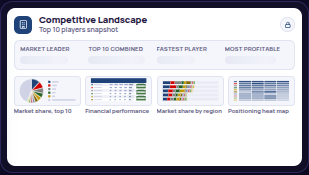
Competitive Landscape and Market Positioning
The competitive landscape is marked by a surge in synergistic efforts among top players, fostering enhanced sensor performance and integration with electric and autonomous vehicle architectures. Many have intensified their focus on iterative technology refinement, embedding intelligence and robustness within torque sensing solutions. This has been complemented by strategic expansion into emerging mobility domains and collaborations that streamline development cycles, underpinning their ability to sustain competitive differentiation amid increasing system complexity and evolving regulatory demands.
Strategic / Actionable Recommendations for Regional Players
In North America, aligning with semiconductor innovators and automotive OEMs could accelerate the deployment of cutting-edge sensors tailored to growing electric vehicle production, while emphasizing adaptive design to meet local regulatory frameworks would strengthen market foothold.
For Asia Pacific, exploiting strong manufacturing ecosystems and fostering innovation alliances with technology hubs can enhance scalability and cost efficiencies, amplifying presence in dynamic high-volume markets, especially within EV and hybrid segments.
European players stand to benefit from deepening engagement with automotive clusters and cross-industry consortia, leveraging advanced research facilities to refine sensor precision and durability. Prioritizing tailored solutions for luxury and commercial vehicles could bolster differentiation in a highly mature market landscape.
| Company | Market Share | Company Revenue | Revenue CAGR (%) | Product Portfolio | Geographic Presence | Innovation / R&D Focus | Strategic Developments |
|---|---|---|---|---|---|---|---|
| No companies available. | |||||||
Customize Your Report
Explore examples of how this report can be tailored to different research needs, including custom segments, additional topics or chapters, and related reports. Click a section of the wheel or its numbered marker to explore the available options.
Automotive Steering Torque Sensor Market — Custom Segments
| Segment | Sub-Segment |
|---|---|
| No segment data available. | |
Automotive Steering Torque Sensor Market — Custom TOC
| Custom Chapter | Chapter Details |
|---|---|
| No custom TOC data available. | |
Need a different cut of the data?
Request Custom ResearchFrequently Asked Questions
What is the expected industry size of automotive steering torque sensor by 2035?
Which region holds the largest share of the automotive steering torque sensor market?
What region has posted the highest CAGR in the automotive steering torque sensor sector?
How much is the analog torque sensors segment expected to grow in the automotive steering torque sensor industry beyond 2025?
What factors give passenger cars segment a competitive edge in the automotive steering torque sensor sector?
Which is the largest sub-segment within the application segment for automotive steering torque sensor industry?
Why does digital output sub-segment dominate the output signal type segment of automotive steering torque sensor sector?
How does steering rack segment fare in the automotive steering torque sensor industry?
What are the key competitors in the automotive steering torque sensor landscape?
Our Clients
"The team surpassed our expectations with the report depth. The actionable insights provided proved crucial in navigating market challenges."
Tata Motors
"We found the report to be very informative. The expertise and attention to market nuances significantly influenced our business direction."
DENSO Corporation
"The consumer survey findings were quite good. We now have a clearer picture of the customer churning and retention strategy."
HL Mando
Our Research Team & Methodology
Every Fundamental Business Insights report is built by a dedicated vertical research team, validated through a structured primary-and-secondary methodology, and reviewed for accuracy before it reaches you.
Delivery
Published
Available
Support
- Market Size & Forecast
- Market Segmentation
- Regional Analysis
- Growth Drivers & Challenges
- Market Dynamics
- Competitive Landscape
- Company Profiles
- Competitive Benchmarking
- Mergers & Acquisitions
- Market Share Analysis or Key Company Strategies
- Value Chain Analysis
- Porter's Five Forces
- PESTLE Analysis
- Pricing Trends
- Supply-Demand Analysis
- Technology Landscape
- Regulatory Landscape
- Investment & Funding Landscape
- Emerging Opportunities
- Future Market Outlook