Biomaterial Wound Dressing Market Size & Growth Forecast 2027–2036, By Segments (End-use, Product, Application), Regional Demand Trends (North America, Asia Pacific, Europe), Key Country Insights (U.S., Japan, South Korea, Germany, France, Italy), and Competitive Landscape
Jump to Content
Market Size and Growth Outlook
Biomaterial Wound Dressing Market size was valued at USD 7.6 billion in 2026 and is anticipated to grow at a 7.79% CAGR from 2027 to 2036, reaching USD 16.09 billion by 2036. The industry revenue for 2027 is calculated at USD 8.1 billion.
Get more details on this report
Request Free Sample ReportBiomaterial Wound Dressing Market Intelligence Snapshot
Regional Market Dynamics
- North America captured 48.23% of the market in 2026, driven by widespread adoption of advanced wound care, established treatment pathways, and consistent clinical use of biomaterial dressings.
- Asia Pacific is expected to grow at an 8.48% CAGR as healthcare providers increasingly adopt advanced biomaterial dressings for surgical wounds, burns, and chronic conditions across expanding care networks.
Segment Momentum
- Hospitals lead with a 48.03% share due to high patient inflow and structured clinical protocols for acute and complex wounds, enabling precise monitoring, frequent dressing changes, and access to specialized wound care expertise.
- Home healthcare is the fastest-growing segment as care shifts toward outpatient and at-home recovery models, driven by demand for long-term wound management, patient convenience, and reduced hospital dependency.
Market Expansion Drivers
- Rising prevalence of chronic wounds and diabetic ulcers increasing advanced dressing demand.
- Increasing orthopedic and burn surgeries driving adoption of bioactive wound-care materials.
- Advancements in antimicrobial biomaterials and regenerative scaffolds improving healing efficiency.
Leading Market Participants
- Key players in the biomaterial wound dressing market include Smith & Nephew plc (United Kingdom), Mölnlycke Health Care AB (Sweden), ConvaTec Group plc (United Kingdom), B. Braun Melsungen AG (Germany), 3M Company (United States), Coloplast A/S (Denmark), Integra LifeSciences Holdings Corporation (United States), URGO Medical (France), Medline Industries, LP (United States), MiMedx Group, Inc. (United States).
Global Market Forecast Snapshot
Market Outlook
- 2026 Market Size: USD 7.6 billion
- 2027 Estimated Market Size: USD 8.1 billion.
- Projected Market Size: USD 16.09 billion by 2036
- Growth Forecast: 7.79% CAGR (2027-2036)
Regional and Segment Outlook
- Leading Regional Market: North America
- High-Growth Regional Hub: Asia Pacific
- Core Revenue Segment: Hospitals (End-use) | Natural (Product) | Chronic Wounds (Application)
- Emerging Opportunity Segment: Home Healthcare (End-use) | Synthetic (Product) | Acute Wounds (Application)
Market Growth Drivers and Industry Trends
Rising prevalence of chronic wounds and diabetic ulcers increasing advanced dressing demand
The growing incidence of chronic wounds and diabetic ulcers is creating sustained demand for specialized wound-care products, supporting the biomaterial wound dressing market as healthcare providers seek materials that can promote effective wound management. Chronic wounds often require prolonged treatment and careful control of moisture, infection, and tissue damage, increasing the need for dressings with functional properties beyond basic wound coverage. Biomaterials such as collagen, chitosan, alginate, and other biologically derived materials can support moisture regulation and tissue interaction while providing suitable environments for healing. The increasing focus on improving outcomes for patients with difficult-to-heal wounds is encouraging healthcare facilities to incorporate advanced biomaterial-based dressings into wound management protocols.
Increasing orthopedic and burn surgeries driving adoption of bioactive wound-care materials
A higher volume of orthopedic procedures and burn treatments is expanding the need for effective postoperative wound management, thereby contributing to the growth of the biomaterial wound dressing market. Surgical wounds and burn injuries can require controlled healing environments that protect exposed tissue while supporting regeneration and minimizing complications. Bioactive dressings can provide functions such as moisture retention, tissue support, and localized delivery of therapeutic components, making them suitable for complex wounds encountered following surgery or severe burns. Growing emphasis on reducing healing complications and improving recovery quality is also encouraging clinicians to evaluate advanced biomaterial formulations for postoperative and trauma-related wound care.
Advancements in antimicrobial biomaterials and regenerative scaffolds improving healing efficiency
Technological progress in biomaterial engineering is improving the functional performance of wound dressings and strengthening the biomaterial wound dressing market. Researchers and manufacturers are developing antimicrobial materials designed to help control microbial contamination while regenerative scaffolds can provide structural support for tissue repair and cellular activity. Incorporating bioactive compounds, antimicrobial agents, and tissue-compatible materials into dressing architectures can enable more targeted management of wound conditions while supporting the natural healing process. Improvements in material design are also allowing developers to tailor characteristics such as biodegradability, porosity, moisture management, and biological compatibility for different wound types.
| Growth Driver | Impact on CAGR | Regulatory Influence | Geographic Relevance | Adoption Rate | Impact Timeline |
|---|---|---|---|---|---|
| Rising prevalence of chronic wounds and diabetic ulcers increasing advanced dressing demand | 2.30% | High | North America, Europe, Asia Pacific | High | Near Term |
| Increasing orthopedic and burn surgeries driving adoption of bioactive wound-care materials | 2.00% | High | North America, Europe | High | Near Term |
| Advancements in antimicrobial biomaterials and regenerative scaffolds improving healing efficiency | 1.60% | Moderate | Global | High | Mid Term |
Unlock insights tailored to your business with our bespoke market research solutions.
Click to get your customized report now.
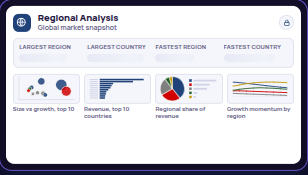
Regional Demand Dynamics

North America (Largest Region)
The biomaterial wound dressing market was led by North America, which accounted for a 48.23% share in 2026, supported by advanced healthcare infrastructure, strong adoption of innovative wound care products, and growing demand for dressings that promote faster and more effective healing. The region benefits from high awareness of advanced wound management among healthcare professionals, established reimbursement frameworks, and increasing treatment needs associated with chronic wounds, surgical procedures, and complex injuries. Continued investment in healthcare technologies and the integration of biomaterials designed to improve moisture management, tissue regeneration, and infection control are also strengthening clinical adoption. In addition, the presence of specialized wound care facilities and greater emphasis on reducing hospital stays and improving treatment outcomes are encouraging healthcare providers to shift toward sophisticated dressing solutions.
Asia Pacific (Fastest-Growing Region)
Asia Pacific is positioned as the fastest-growing regional market, driven by expanding healthcare access, rising medical expenditure, and increasing awareness of advanced wound management practices. Improvements in hospital infrastructure and the modernization of healthcare systems are enabling wider availability of innovative wound care products beyond major urban centers. The region is also experiencing growing demand for effective treatment of chronic wounds as healthcare providers respond to changing patient needs and increasing attention to long-term disease management. Local manufacturing capabilities, improving access to medical technologies, and greater adoption of evidence-based wound care practices are creating favorable conditions for biomaterial-based dressings. These developments, combined with expanding healthcare investment and a broader focus on improving clinical outcomes, are expected to support sustained market momentum across Asia Pacific.
| Parameter | North America | Asia Pacific | Europe | Latin America | MEA |
|---|---|---|---|---|---|
| Innovation HubiScaleNascentDeveloping Advanced | |||||
| Cost-Sensitive RegioniScaleLowMedium High | |||||
| Regulatory EnvironmentiScaleRestrictiveNeutral Supportive | |||||
| Demand DriversiScaleWeakModerate Strong | |||||
| Development StageiScaleEmergingDeveloping Developed | |||||
| Adoption RateiScaleLowMedium High | |||||
| New Entrants / StartupsiScaleSparseModerate Dense | |||||
| Macro IndicatorsiScaleWeakStable Strong |
Key Country Insights
Germany 🇩🇪
Clinical Materials FocusGermany prioritizes biomaterial wound dressings that combine clinical performance with consistent manufacturing quality. Hospitals and healthcare providers in Germany increasingly evaluate advanced dressing materials that support effective wound healing and optimized treatment protocols.
France 🇫🇷
Hospital Care IntegrationFrance supports biomaterial wound dressing adoption through hospital-focused wound management practices and clinical evaluation. Healthcare providers in France increasingly incorporate advanced biomaterial dressings into treatment pathways that address chronic wounds and post-surgical recovery.
Italy 🇮🇹
Specialized Wound SolutionsItaly focuses on expanding access to specialized biomaterial wound dressings across hospitals and outpatient care settings. Medical providers in Italy increasingly value products that combine effective moisture management, biocompatibility, and practical application for diverse wound types.
Japan 🇯🇵
Regenerative Care ApplicationsJapan integrates biomaterial wound dressings with broader regenerative medicine initiatives to improve complex wound treatment. Healthcare organizations in Japan continue exploring innovative biomaterials that enhance tissue repair while supporting long-term clinical care requirements.
South Korea 🇰🇷
Medical Innovation PipelineSouth Korea expands biomaterial wound dressing development through active medical technology innovation and healthcare research. Companies in South Korea increasingly introduce advanced dressing materials designed to improve healing efficiency and strengthen clinical treatment options.
United States 🇺🇸
Advanced Care AdoptionThe U.S. biomaterial wound dressing market emphasizes advanced wound management solutions for chronic and surgical care. Healthcare providers in the U.S. increasingly adopt biomaterial-based products that improve healing outcomes while supporting infection management and patient recovery.
Biomaterial Wound Dressing Market Share (%), by End-use, 2026
Go beyond the chart, access full insights & data tables
Request Free Sample ReportEnd-use Segment Analysis: Hospitals (Largest Segment) vs Home Healthcare (Fastest-Growing Segment)
Hospitals led the biomaterial wound dressing market with the largest share of 48.03% in 2026, supported by the substantial volume of acute wounds, surgical procedures, traumatic injuries, and complex chronic wounds managed in hospital settings. Biomaterial dressings are valued for their ability to support moisture management, tissue protection, healing, and favorable wound environments, making them important across multiple stages of clinical care. Increasing attention to infection prevention, advanced wound management, and improved patient outcomes is reinforcing demand for sophisticated dressing materials. Hospitals also benefit from specialized wound-care teams and established procurement channels, strengthening their position as a major end-use environment.
Home healthcare is emerging as the fastest-growing end-use segment as wound management increasingly extends beyond traditional clinical settings. The shift toward shorter hospital stays and greater emphasis on convenient, patient-centered care is creating demand for dressings that can be safely applied and managed outside hospitals. Biomaterial products that support healing while reducing the complexity of routine wound care are particularly suited to home-based treatment. Rising prevalence of chronic wounds and growing caregiver involvement are further encouraging adoption, while improvements in dressing design are making advanced wound-care solutions more practical for patients receiving ongoing care at home.
Product Segment Analysis: Natural (Largest Segment) vs Synthetic (Fastest-Growing Segment)
Natural biomaterial wound dressings held the largest share of the product segment in 2026, reflecting strong interest in materials that can interact favorably with biological tissues and support natural healing processes. Natural materials can provide properties such as moisture retention, biocompatibility, and tissue-supportive characteristics, making them attractive for managing wounds that require a favorable environment for repair. Increasing clinical interest in biologically derived materials and regenerative wound-care approaches is supporting their continued use. Their alignment with broader demand for biocompatible and tissue-friendly solutions further strengthens their position.
Synthetic biomaterial wound dressings are experiencing the fastest growth as manufacturers pursue greater control over material properties, consistency, durability, and functional performance. Synthetic formulations can be engineered to provide specific characteristics such as controlled moisture management, structural stability, antimicrobial functionality, or tailored degradation behavior. This design flexibility is encouraging innovation for diverse wound types and treatment requirements. Continued advances in biomaterial engineering and the need for dressings with predictable performance are creating additional opportunities for synthetic products across modern wound-care applications.
| Segment | Sub-Segment | Largest Segment | Fastest Growing |
|---|---|---|---|
| End-use | Hospitals, Outpatient Facilities, Home Healthcare, Research & Manufacturing | Hospitals | Home Healthcare |
| Product | Natural, Synthetic | Natural | Synthetic |
| Application | Chronic Wounds, Acute Wounds | Chronic Wounds | Acute Wounds |
Competitive Landscape and Market Positioning
Top players in the biomaterial wound dressing market:
1. Smith & Nephew plc (United Kingdom)
2. Mölnlycke Health Care AB (Sweden)
3. ConvaTec Group plc (United Kingdom)
4. B. Braun Melsungen AG (Germany)
5. 3M Company (United States)
6. Coloplast A/S (Denmark)
7. Integra LifeSciences Holdings Corporation (United States)
8. URGO Medical (France)
9. Medline Industries LP (United States)
10. MiMedx Group Inc. (United States)
Innovation in advanced wound care continues to shape the biomaterial wound dressing market, with research focused on developing highly biocompatible materials that accelerate tissue regeneration and healing. Continuous product introductions featuring antimicrobial properties and improved moisture management are expanding treatment options across diverse clinical applications.
| Company | Market Share | Company Revenue | Revenue CAGR (%) | Product Portfolio | Geographic Presence | Innovation / R&D Focus | Strategic Developments |
|---|---|---|---|---|---|---|---|
| Smith & Nephew plc (United Kingdom) | |||||||
| Mölnlycke Health Care AB (Sweden) | |||||||
| ConvaTec Group plc (United Kingdom) | |||||||
| B. Braun Melsungen AG (Germany) | |||||||
| 3M Company (United States) | |||||||
| Coloplast A/S (Denmark) | |||||||
| Integra LifeSciences Holdings Corporation (United States) | |||||||
| URGO Medical (France) | |||||||
| Medline Industries LP (United States) | |||||||
| MiMedx Group Inc. (United States). |
Industry Development/News
| Company Name | Date | Key Development |
|---|---|---|
| MPM Medical | Dec-25 | MPM Medical launched TripleHelix Collagen At-Home Wound Care Kits along with a digital portal for insurance verification and direct-to-patient distribution. The initiative expands the company’s commercial model into home-based wound care delivery, integrating biomaterials with digital patient access infrastructure. |
| Convatec | Jul-25 | Convatec received regulatory clearance across the UK, EU, Australia, and the United States for Aquacel ConvaFiber, a next-generation Hydrofiber wound dressing designed for chronic and acute wound management. The approval strengthens Convatec’s advanced wound care portfolio and supports broader commercialization across multiple regulated healthcare markets. |
| SolasCure | Jun-25 | SolasCure received FDA Fast Track designation for Aurase Wound Gel targeting calciphylaxis ulcers, a high-mortality condition, with ongoing Phase II development for venous leg ulcers. The enzymatic hydrogel approach enhances the company’s clinical development pathway and supports accelerated regulatory engagement in advanced wound debridement therapies. |
| Smith+Nephew | May-25 | Smith+Nephew secured a USD 75 million Department of Defense contract to supply advanced wound therapy systems, strengthening its revenue visibility and reinforcing demand from defense healthcare applications. The agreement highlights increasing institutional adoption of biomaterial-based wound care technologies across non-civilian healthcare environments. |
| Summit Products Group | May-25 | Summit Products Group entered an exclusive distribution partnership with NovaBone Products for NovaForm Wound Matrix, an FDA 510(k)-cleared bioglass-collagen dressing for complex wound types. The agreement strengthens distribution reach and enhances access to advanced wound matrix technologies across clinical settings. |
| Solventum | Apr-25 | Solventum completed its spin-off from 3M and began operating as an independent healthcare company with broad exposure across wound care, dental, hospital information systems, and dialysis technologies. The separation enhances strategic focus and positions the company for more targeted investment and operational execution in healthcare markets. |
| AVITA Medical | Apr-25 | AVITA Medical launched Cohealyx, a collagen-based dermal matrix co-developed with Regenity Biosciences for use in full-thickness wound bed preparation, including burns. The product expands AVITA’s regenerative wound care portfolio and supports clinical advancement in biologically derived dermal scaffolds. |
| DuPont | Oct-23 | DuPont launched Liveo MG 7-9960 soft skin adhesive, designed for wound care dressings and medical device fixation to skin. The adhesive offers improved wear time and gentler removal characteristics, supporting extended-use wound management applications and expanding DuPont’s role in advanced biomaterial interfaces for medical devices. |
| JeNaCell | Jul-23 | JeNaCell, a subsidiary of Evonik, introduced the epicite balance wound dressing in Germany targeting chronic wounds with low to moderate exudation, including diabetic foot ulcers and venous leg ulcers. The launch expands the company’s advanced wound care portfolio and strengthens its presence in the European wound management market. |
| Collagen Matrix | Jun-22 | Collagen Matrix received FDA 510(k) clearance for a fibrillar collagen wound dressing used as an absorbent microfibrillar matrix for wound healing applications. The approval expands the company’s regulatory-cleared product base and reinforces its position in advanced regenerative wound care materials in the United States market. |
Customize Your Report
Explore examples of how this report can be tailored to different research needs, including custom segments, additional topics or chapters, and related reports. Click a section of the wheel or its numbered marker to explore the available options.
Biomaterial Wound Dressing Market — Custom Segments
| Segment | Sub-Segment |
|---|---|
| Dressing Mechanism | Absorptive Dressings, Moisture-Retentive Dressings, Antimicrobial Dressings, Bioactive & Regenerative Dressings, Adhesive & Protective Dressings |
| Procurement Channel | Hospital & Health System Procurement, Group Purchasing Organizations, Distributors & Medical Supply Wholesalers, Direct-to-Provider Procurement, Retail & Online Channels |
| Clinical Specialty | General Surgery, Orthopedics, Dermatology, Diabetic & Vascular Care, Plastic & Reconstructive Surgery, Other Clinical Specialties |
Biomaterial Wound Dressing Market — Custom TOC
| Custom Chapter | Chapter Details |
|---|---|
| Advanced Wound Care Adoption Analysis |
|
| Clinical Application Expansion Opportunities |
|
| Biomaterial Innovation Impact Assessment |
|
Need a different cut of the data?
Request Custom ResearchFrequently Asked Questions
What is the market valuation of biomaterial wound dressing?
What is the forecasted size of the biomaterial wound dressing industry?
How is rising chronic wound and diabetic ulcer prevalence shaping demand in the biomaterial wound dressing market?
How are surgical procedures and biomaterial innovation influencing adoption of advanced wound-care solutions?
Why are hospitals the leading end-use segment in the biomaterial wound dressing market?
How is home healthcare shaping growth in biomaterial wound dressing adoption?
Why is North America the largest market for biomaterial wound dressings?
How is Asia Pacific expanding in the biomaterial wound dressing market?
Which companies dominate the biomaterial wound dressing landscape?
Our Clients
"The team took the time to understand our specific business needs and delivered a report that was well aligned with our objectives. Their expertise and understanding of the industry were clearly reflected in the quality and relevance of the insights provided."
Siemens Healthcare
"Our experience in acquiring the research report has been excellent. The depth of analysis, and actionable insights provided have been extremely valuable in supporting our ongoing R&D efforts."
GC Biopharma
"The report offered a comprehensive view of the market trends. The in-depth segmentation and analysis of emerging opportunities gave us a better understanding of the market."
Medtronic
Our Research Team & Methodology
Every Fundamental Business Insights report is built by a dedicated vertical research team, validated through a structured primary-and-secondary methodology, and reviewed for accuracy before it reaches you.
Delivery
Published
Available
Support
- Market Size & Forecast
- Market Segmentation
- Regional Analysis
- Growth Drivers & Challenges
- Market Dynamics
- Competitive Landscape
- Company Profiles
- Competitive Benchmarking
- Mergers & Acquisitions
- Market Share Analysis or Key Company Strategies
- Value Chain Analysis
- Porter's Five Forces
- PESTLE Analysis
- Pricing Trends
- Supply-Demand Analysis
- Technology Landscape
- Regulatory Landscape
- Investment & Funding Landscape
- Emerging Opportunities
- Future Market Outlook