



Built-in Kitchen Appliance Market Size & Forecasts 2026-2035, By Segments (Product type, End Use, Distribution Channel), Growth Opportunities, Innovation Landscape, Regulatory Shifts, Strategic Regional Insights (U.S., Japan, China, South Korea, UK, Germany, France), and Competitive Dynamics (Bosch, Siemens, Miele, Electrolux, Whirlpool)
Market Size and Growth Outlook
Built-in Kitchen Appliance Market size is anticipated to rise from USD 19.54 billion in 2025 to USD 31.83 billion by 2035, reflecting a CAGR surpassing 5% over the forecast horizon of 2026-2035. The estimated revenue for 2026 is USD 20.39 billion.
Base Year Value (2025)
USD 19.54 Billion
CAGR (2026-2035)
5%
Forecast Year Value (2035)
USD 31.83 Billion

Historical Data Period
2021-2025

Largest Region
Europe

Forecast Period
2026-2035
Key Takeaways
- Europe region acquired over 41.2% revenue share in 2025, led by high demand for premium home appliances.
- Asia Pacific region will achieve more than 5.5% CAGR from 2026 to 2035, due to urbanization and kitchen upgrades.
- With 68.6% market share in 2025, residential segment’s growth was led by rising home renovations increase demand for built-in appliances.
- The offline channels segment will hold 54.45% built-in kitchen appliance market share in 2025, led by traditional retail offers trusted purchasing experiences.
- Securing 36.4% of the market in 2025, built-in ovens & microwaves segment was strengthened by high demand for versatile cooking solutions in modern kitchens.
- Major competitors in the built-in kitchen appliance market include Bosch (Germany), Siemens (Germany), Miele (Germany), Electrolux (Sweden), Whirlpool (USA), Samsung (South Korea), LG (South Korea), Haier (China), Smeg (Italy), Fisher & Paykel (New Zealand).
Market Growth Drivers and Industry Trends
Growth in Demand for Space-Saving and Integrated Kitchen Solutions
The built-in kitchen appliance market is experiencing significant momentum due to a rising consumer preference for space-saving and integrated kitchen solutions. As urban living spaces become increasingly compact, homeowners are seeking appliances that optimize functionality without sacrificing aesthetics. According to the American Institute of Architects, 70% of architects reported a growing demand for multifunctional spaces, which directly influences the design and integration of built-in appliances. This trend creates strategic opportunities for established brands to innovate their product lines, while new entrants can capitalize on niche markets focused on compact and stylish solutions that cater to urban dwellers. The shift towards integrated designs not only enhances user experience but also aligns with the broader trend of minimalism in home decor, positioning companies to leverage these evolving consumer preferences.
Expansion of Premium and Energy-Efficient Appliance Lines
The built-in kitchen appliance market is also being shaped by the expansion of premium and energy-efficient appliance lines. As consumers become more environmentally conscious, there is a marked shift towards high-quality, energy-efficient products that promise lower utility bills and reduced carbon footprints. The U.S. Department of Energy has reported that ENERGY STAR certified appliances can save consumers up to 30% on energy costs, making them highly appealing. This trend presents a lucrative opportunity for established manufacturers to enhance their product offerings with premium features while attracting eco-conscious consumers. New entrants can differentiate themselves by focusing on innovative designs that not only meet energy efficiency standards but also incorporate luxury elements, thereby appealing to a broader demographic that values sustainability alongside quality.
Integration of IoT and Smart Features in Kitchen Appliances
The integration of IoT and smart features into kitchen appliances is revolutionizing the built-in kitchen appliance market. As connectivity becomes a staple in modern households, consumers are increasingly drawn to appliances that offer advanced functionalities, such as remote monitoring and automated settings. The Consumer Technology Association noted that smart home device adoption is expected to grow significantly, with over 70% of consumers expressing interest in smart appliances. This trend not only enhances convenience but also drives operational efficiencies, presenting substantial opportunities for both established players and startups. Established brands can leverage their technological expertise to enhance product connectivity, while new entrants can disrupt the market by offering innovative, user-friendly smart solutions that cater to tech-savvy consumers. The ongoing digital transformation in home appliances is set to redefine user experiences and reshape competitive dynamics in the industry.
Industry Restraints:
Regulatory Compliance Burdens
The built-in kitchen appliance market faces significant constraints due to stringent regulatory compliance requirements, particularly concerning energy efficiency and safety standards. These regulations, enforced by agencies like the U.S. Department of Energy and the European Commission, necessitate substantial investments in research and development to ensure products meet evolving standards. For instance, the Energy Policy Act mandates rigorous testing and certification processes, which can delay product launches and increase operational costs. This complexity often leads to consumer hesitation, as potential buyers may be deterred by the perceived risks associated with non-compliant products. Established companies, while better equipped to navigate these challenges, may find their innovation cycles slowed, while new entrants struggle to gain a foothold amid the high costs of compliance.
Supply Chain Vulnerabilities
The built-in kitchen appliance market is increasingly hindered by supply chain vulnerabilities, exacerbated by recent global disruptions such as the COVID-19 pandemic and geopolitical tensions. Companies like Whirlpool and Bosch have reported delays in sourcing critical components, leading to production halts and increased lead times. These challenges not only inflate costs but also create uncertainty in inventory management, which can deter retailers from stocking new models. As consumer demand shifts towards more technologically advanced appliances, the inability to deliver timely and innovative products can erode competitive advantages. In the near to medium term, this restraint is likely to persist, compelling manufacturers to invest in more resilient supply chain strategies and diversify their sourcing to mitigate risks.
| Growth Driver Assessment Framework | |||||
| Growth Driver | Impact On CAGR | Regulatory Influence | Geographic Relevance | Adoption Rate | Impact Timeline |
|---|---|---|---|---|---|
| Growth in demand for space-saving and integrated kitchen solutions | 1.90% | Short term (≤ 2 yrs) | Europe, Asia Pacific (spillover: North America) | Low | Moderate |
| Expansion of premium and energy-efficient appliance lines | 1.60% | Medium term (2–5 yrs) | North America, Europe (spillover: Asia Pacific) | Medium | Moderate |
| Integration of IoT and smart features in kitchen appliances | 1.50% | Long term (5+ yrs) | Asia Pacific, North America (spillover: Europe) | Medium | Slow |
Unlock insights tailored to your business with our bespoke market research solutions - Click to get your customized report now!
Regional Demand Dynamics
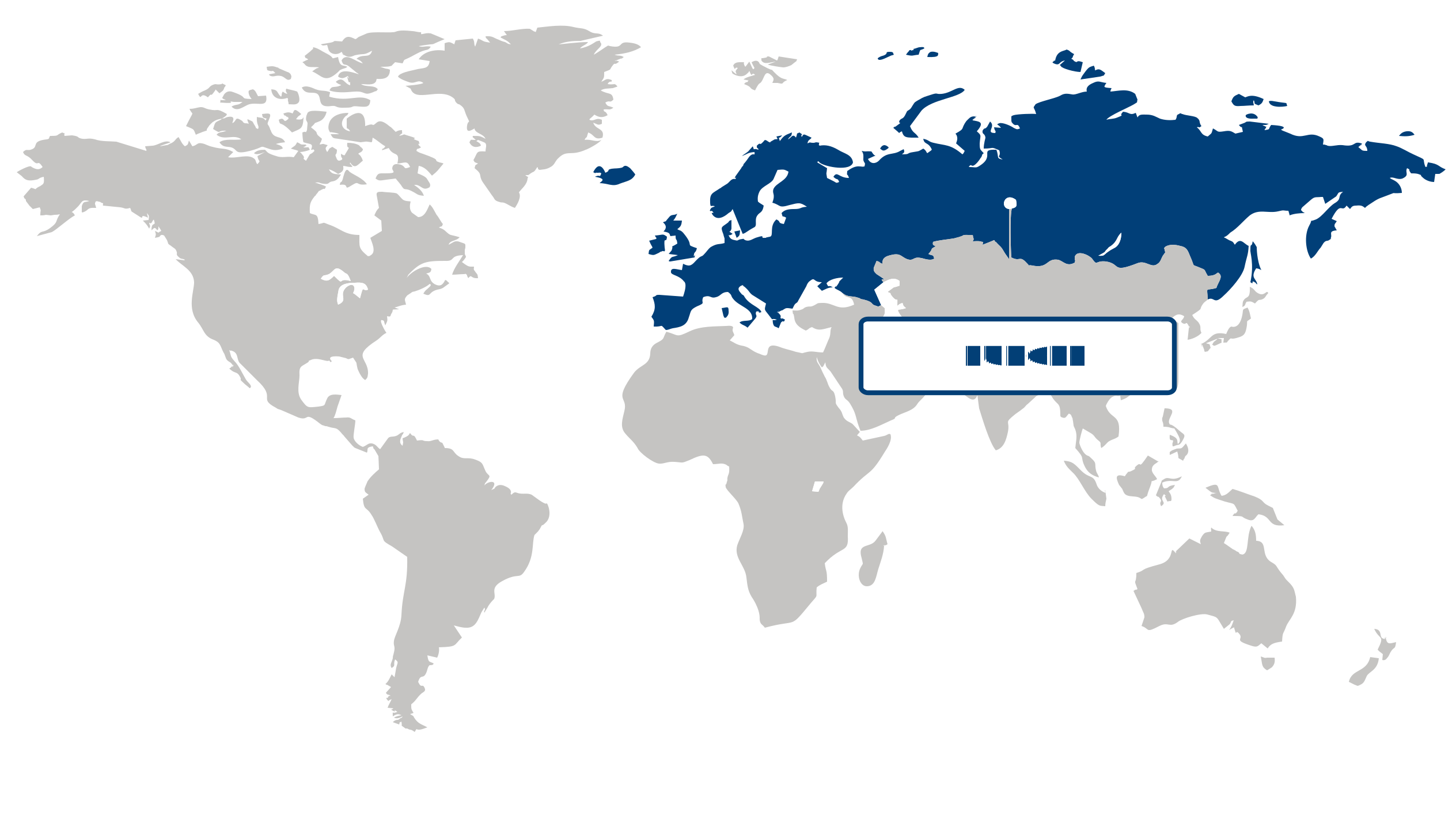
Largest Region
Europe
41.2% Market Share in 2025
Europe Market Statistics:
Europe represented more than 41.2% of the global built-in kitchen appliance market in 2025, solidifying its position as the largest region in this sector. This dominance can be attributed to a high demand for premium home appliances, driven by evolving consumer preferences towards quality and design, as well as a growing emphasis on sustainability in kitchen renovations. According to the European Commission, initiatives aimed at energy efficiency and reduced environmental impact have significantly influenced purchasing decisions, leading to increased investments in innovative built-in solutions. The region's robust economic resilience further supports this demand, as consumers are willing to invest in high-end appliances that align with their lifestyle aspirations. Looking ahead, Europe offers substantial opportunities for growth in the built-in kitchen appliance market, particularly as manufacturers innovate to meet these changing consumer dynamics.
Germany anchors the built-in kitchen appliance market in Europe, characterized by a strong inclination towards technologically advanced and energy-efficient products. The country's regulatory environment, which emphasizes sustainability, has spurred manufacturers to adopt greener technologies and comply with stringent energy standards set by the German Federal Ministry for Economic Affairs and Climate Action. This has led to a rise in consumer demand for built-in appliances that not only enhance kitchen aesthetics but also contribute to lower energy consumption. For instance, Bosch has highlighted its commitment to sustainability through its latest range of built-in appliances that feature advanced energy-saving technologies. Germany's focus on quality and innovation positions it strategically within the regional market, reinforcing Europe's leadership in built-in kitchen appliances.
France plays a pivotal role in the built-in kitchen appliance market, where consumer demand is significantly influenced by cultural preferences for culinary excellence and home aesthetics. The French market has seen a surge in interest for premium built-in solutions that combine functionality with design, aligning with trends highlighted by the French Ministry for the Economy and Finance, which emphasizes investment in home improvement. Notably, brands like Smeg have capitalized on this trend by offering stylish, high-performance built-in appliances that resonate with French consumers' lifestyle choices. This cultural inclination towards high-quality kitchen solutions strengthens France's contribution to the regional market, creating a favorable environment for growth in the built-in kitchen appliance sector.
Asia Pacific Market Analysis:
The Asia Pacific region has emerged as the fastest-growing market for built-in kitchen appliances, registering a robust CAGR of 5.5%. This remarkable growth is primarily driven by urbanization and kitchen upgrades, as consumers increasingly seek modern, efficient solutions for their homes. The rise in disposable incomes and shifting consumer preferences towards convenience and functionality are shaping demand dynamics in this market. Additionally, the region's focus on sustainability is prompting manufacturers to innovate with energy-efficient appliances, aligning with both consumer values and regulatory standards. Recent trends indicate a significant shift towards smart kitchen technologies, as highlighted by the International Energy Agency, which emphasizes the growing integration of IoT in appliances, enhancing user experience and operational efficiency. Looking ahead, the Asia Pacific region presents substantial opportunities for investment and growth in the built-in kitchen appliance market, driven by its vibrant consumer base and evolving lifestyle trends.
Japan plays a pivotal role in the Asia Pacific built-in kitchen appliance market, characterized by a strong emphasis on innovation and quality. The urbanization trend has led to an increased demand for compact and multifunctional kitchen solutions, as urban dwellers seek to maximize space in smaller living environments. According to the Japan Home Appliances Association, there has been a notable rise in the adoption of smart kitchen appliances, driven by consumer preferences for convenience and connectivity. The regulatory landscape is also evolving, with the government promoting energy-efficient appliances to meet sustainability targets, further influencing purchasing behavior. This unique blend of consumer demand and regulatory support positions Japan as a key player in the region, enhancing its attractiveness for market entrants and investors looking to capitalize on the built-in kitchen appliance market.
China is another significant player in the Asia Pacific built-in kitchen appliance market, marked by its rapid urbanization and changing consumer habits. The surge in middle-class households is driving demand for modern kitchen solutions that reflect contemporary lifestyles. Recent data from the China Household Electrical Appliances Association indicates that consumers are increasingly investing in high-tech appliances that offer enhanced functionality and energy efficiency. Competitive strategies among local manufacturers are intensifying, with many focusing on innovation and smart technology integration to differentiate their offerings. Moreover, the government's push for sustainable living is prompting a shift towards energy-efficient products, aligning with consumer preferences for environmentally friendly solutions. As such, China's evolving market landscape presents considerable growth opportunities within the built-in kitchen appliance sector, reinforcing the region's overall leadership.
North America Market Trends:
The built-in kitchen appliance market in North America held a commanding share, driven by robust consumer demand and a strong preference for modern, integrated home solutions. This region is significant due to its high disposable income levels, which facilitate premium spending on innovative kitchen technologies. Recent shifts toward sustainability have influenced consumer choices, with brands like Whirlpool and GE Appliances leading initiatives to develop energy-efficient products. Furthermore, advancements in smart technology and digital transformation have reshaped consumer expectations, fostering a competitive environment where companies must continually innovate to maintain market presence. The resilience of the North American economy, coupled with a trend towards home renovations, presents substantial opportunities for growth in this sector.
In the U.S., the built-in kitchen appliance market plays a pivotal role in shaping consumer behavior and industry standards. The country's strong focus on sustainability has prompted manufacturers to enhance their product lines with eco-friendly features, as evidenced by Bosch's launch of its new line of Energy Star-certified appliances, which cater to environmentally conscious consumers. Additionally, the growing trend of home cooking, accelerated by the pandemic, has spurred demand for high-quality built-in appliances, pushing companies like KitchenAid to expand their offerings. This strategic alignment with consumer preferences not only fortifies the U.S.'s position in the North American market but also highlights the potential for innovation-driven growth in built-in kitchen appliances.
Canada also plays a significant role in the built-in kitchen appliance market, characterized by a shift towards high-tech solutions and smart home integration. The Canadian government's commitment to energy efficiency has resulted in favorable regulations that encourage the adoption of advanced appliances. For instance, the recent initiatives by the Canadian Appliance Manufacturers Association to promote energy-efficient products have resonated well with consumers, leading to increased sales of built-in models from brands like Samsung and LG. This alignment between regulatory support and consumer demand illustrates Canada’s strategic importance in the North American market, as it fosters an environment conducive to innovation and sustainability, ultimately enhancing regional opportunities.
No card data available for this language/report.
Segment Leadership and Growth Trends
Analysis by Residential
The built-in kitchen appliance market for residential applications dominated the segment with a substantial 68.6% share in 2025. This leadership is primarily driven by the rising trend in home renovations, which significantly boosts the demand for built-in appliances. As homeowners increasingly prioritize modern and efficient kitchen designs, the integration of built-in appliances enhances both functionality and aesthetics. Industry insights from the National Kitchen & Bath Association highlight a growing consumer preference for seamless kitchen experiences, further supporting this trend. Established firms can leverage this momentum by innovating their product lines, while emerging players can capitalize on niche markets within home renovation projects. The segment is expected to maintain its relevance in the near to medium term as the focus on home improvement continues to rise, fostering a robust demand for integrated kitchen solutions.
Analysis by Offline channels
In the built-in kitchen appliance market, offline channels captured over 54.4% share of the distribution landscape in 2025. This dominance stems from the trusted purchasing experiences that traditional retail environments provide, where customers can physically interact with products before making decisions. Reports from the Consumer Technology Association indicate that consumers value the tactile experience and personalized service that brick-and-mortar stores offer, especially for significant investments like built-in appliances. This segment presents strategic advantages for established retailers who can enhance in-store experiences and for new entrants looking to build relationships with consumers. The continued importance of offline channels is underscored by a resurgence in in-person shopping experiences, suggesting a sustained demand for these trusted retail environments.
Analysis by Built-in Ovens & Microwaves
The built-in kitchen appliance market for built-in ovens and microwaves held a commanding 36.4% share in 2025, reflecting high consumer interest in versatile cooking solutions. This segment's growth is largely attributed to the increasing demand for multifunctional appliances that cater to modern cooking lifestyles. According to the American Kitchen and Bath Association, the rise of cooking shows and culinary influencers has driven consumers to seek appliances that enhance their cooking capabilities. This trend creates opportunities for both established brands and new entrants to innovate and differentiate their offerings. The segment is expected to remain relevant as culinary trends evolve and consumers continue to prioritize convenience and efficiency in their cooking spaces.
| Report Segmentation | |||
| Segment | Sub-Segment | Largest Segment | Fastest Growing Segment |
|---|---|---|---|
| Product type | Built-in Ovens & Microwaves, Built-in Refrigerator, Built-in Hob, Built-in Hoods, Others | ||
| End Use | Commercial, Residential | ||
| Distribution Channel | Online channels, Offline channels | ||
 Read our Research Approach
Competitive Landscape and Market Positioning
Key players in the built-in kitchen appliance market include Bosch, Siemens, Miele, Electrolux, Whirlpool, Samsung, LG, Haier, Smeg, and Fisher & Paykel. These companies are recognized for their innovative product offerings and commitment to quality, establishing themselves as leaders in the sector. Bosch and Siemens, both German brands, are particularly noted for their engineering excellence and extensive ranges of energy-efficient appliances. Miele’s premium positioning reflects its focus on durability and performance, while Electrolux stands out for its design and sustainability initiatives. Whirlpool, a prominent American player, leverages its extensive distribution network to maintain a strong market presence. South Korean giants Samsung and LG emphasize smart technology integration, enhancing user experience. Haier’s global expansion strategy and Smeg’s unique aesthetic appeal further contribute to a diverse competitive landscape, showcasing the varied strengths and market approaches of these leading firms.
The competitive landscape of the built-in kitchen appliance market is characterized by dynamic interactions among these top players, who are actively pursuing various strategic initiatives to enhance their market standing. Collaborative ventures and product innovations are evident as these companies seek to respond to evolving consumer preferences and technological advancements. For instance, partnerships that focus on smart home integration are becoming increasingly common, allowing brands to offer connected solutions that appeal to tech-savvy consumers. Additionally, mergers and acquisitions serve to consolidate expertise and expand market reach, enabling players to tap into new customer segments. Continuous investments in research and development are fostering innovation, with an emphasis on sustainability and energy efficiency, critical factors in shaping competitive differentiation within the market.
Strategic / Actionable Recommendations for Regional Players
In North America, engaging in partnerships with technology firms can enhance product offerings, particularly in the realm of smart appliances that cater to the growing demand for home automation. Exploring collaborations with local retailers may also facilitate better market penetration and customer engagement, allowing for tailored marketing strategies that resonate with regional preferences.
For players in the Asia Pacific region, focusing on emerging technologies such as IoT and AI can significantly differentiate product lines, attracting a younger demographic increasingly interested in modern conveniences. Expanding into high-growth sub-segments, such as compact appliances for urban living, may also yield substantial opportunities as urbanization trends continue.
In Europe, emphasizing eco-friendly innovations can align with consumer values and regulatory trends, enhancing brand loyalty. Collaborating with design firms may also elevate product aesthetics, appealing to consumers who prioritize style alongside functionality. Addressing competitive initiatives through targeted marketing campaigns can further solidify market positions and capture the attention of discerning buyers.
Why Choose Us
Specialized Expertise: Our team comprises industry experts with a deep understanding of your market segment. We bring specialized knowledge and experience that ensures our research and consulting services are tailored to your unique needs.
Customized Solutions: We understand that every client is different. That's why we offer customized research and consulting solutions designed specifically to address your challenges and capitalize on opportunities within your industry.
Proven Results: With a track record of successful projects and satisfied clients, we have demonstrated our ability to deliver tangible results. Our case studies and testimonials speak to our effectiveness in helping clients achieve their goals.
Cutting-Edge Methodologies: We leverage the latest methodologies and technologies to gather insights and drive informed decision-making. Our innovative approach ensures that you stay ahead of the curve and gain a competitive edge in your market.
Client-Centric Approach: Your satisfaction is our top priority. We prioritize open communication, responsiveness, and transparency to ensure that we not only meet but exceed your expectations at every stage of the engagement.
Continuous Innovation: We are committed to continuous improvement and staying at the forefront of our industry. Through ongoing learning, professional development, and investment in new technologies, we ensure that our services are always evolving to meet your evolving needs.
Value for Money: Our competitive pricing and flexible engagement models ensure that you get maximum value for your investment. We are committed to delivering high-quality results that help you achieve a strong return on your investment.
Select Licence Type

