Commercial Electric Boiler Market Size & Growth Forecast 2027–2036, By Segments (Application, Product, Voltage Rating, Capacity), Regional Demand Trends (North America, Asia Pacific, Europe), Key Country Insights (U.S., Japan, South Korea, Germany, France, Italy), and Competitive Landscape
Jump to Content
Market Size and Growth Outlook
Commercial Electric Boiler Market size was valued at USD 2.19 billion in 2026 and is anticipated to grow at a 16.54% CAGR from 2027 to 2036, exceeding USD 10.12 billion by 2036. The industry revenue for 2027 is assessed at USD 2.5 billion.
Get more details on this report
Request Free Sample ReportCommercial Electric Boiler Market Intelligence Snapshot
Regional Market Dynamics
- Europe leads through decarbonization initiatives, energy-efficiency requirements, and building electrification, with businesses adopting electric boilers to reduce emissions and modernize heating systems across commercial and institutional facilities.
- Asia Pacific is expanding fastest as commercial construction, industrialization, and electrification increase demand for efficient heating, supported by renewable energy deployment and growing emphasis on emissions reduction.
Segment Momentum
- Educational institutions accounted for 29.05% of the market in 2026, supported by recurring heating and hot water requirements. Electric boilers offer controlled heating without direct onsite combustion, aligning with building modernization and electrification priorities.
- Hot water is the largest and fastest-growing product segment, driven by recurring requirements for sanitation, cleaning, kitchens, and employee facilities. Demand for modernized water-heating infrastructure and electrified heating solutions further supports adoption.
Market Expansion Drivers
- Electrification of heating systems to reduce carbon emissions.
- Rising energy efficiency and decarbonization regulations.
- Long-term transition toward low-emission commercial buildings.
Leading Market Participants
- Leading players in the commercial electric boiler market include Bosch Thermotechnology (Germany), Cleaver-Brooks (United States), Fulton (United States), Chromalox (United States), Thermolec (Canada), Precision Boilers (United States), Acme Engineering (United States), PARAT Halvorsen (Norway), Reimers Electra Steam (United States), Thermodyne Boilers (India).
Global Market Forecast Snapshot
Market Outlook
- 2026 Market Size: USD 2.19 billion
- 2027 Estimated Market Size: USD 2.5 billion
- Projected Market Size: USD 10.12 billion by 2036
- Growth Forecast: 16.54% CAGR (2027-2036)
Regional and Segment Outlook
- Leading Regional Market: Europe
- High-Growth Regional Hub: Asia Pacific
- Core Revenue Segment: Application (Educational Institutions) | Product (Hot Water) | Voltage Rating (Low Voltage) | Capacity (> 10 - 50 MMBTU/hr)
- Emerging Opportunity Segment: Application (Offices) | Product (Hot Water) | Voltage Rating (Low Voltage) | Capacity (> 10 - 50 MMBTU/hr)
Market Growth Drivers and Industry Trends
Electrification of Heating Systems to Reduce Carbon Emissions
The electrification of commercial heating systems is driving demand for electric boilers as businesses and building operators seek alternatives to combustion-based heating technologies. Electric boilers can generate heat without direct on-site fuel combustion, making them suitable for facilities pursuing lower-emission heating strategies and greater integration with cleaner electricity sources. Their compatibility with existing hydronic heating infrastructure also allows commercial buildings to transition toward electric heat generation without completely redesigning heating systems. As electrification becomes an increasingly important pathway for reducing emissions from building operations, commercial demand for electric boiler solutions is expanding.
Rising Energy Efficiency and Decarbonization Regulations
Increasing emphasis on energy efficiency and building decarbonization regulations is supporting the adoption of commercial electric boilers by encouraging organizations to reduce the environmental impact of heating operations. Regulatory frameworks are increasingly promoting cleaner energy use, efficient building systems, and reductions in direct emissions from commercial facilities. Electric boilers can help building operators align heating infrastructure with these evolving requirements, particularly when electricity is increasingly supplied through lower-carbon energy sources. The growing regulatory focus on efficient and cleaner commercial buildings is therefore creating favorable conditions for the deployment and modernization of electric heating systems.
Long-term Transition Toward Low-emission Commercial Buildings
The long-term transition toward low-emission commercial buildings is creating structural growth opportunities for electric boiler systems as property owners increasingly incorporate electrification into building modernization strategies. Commercial facilities are seeking heating technologies that can support broader sustainability objectives while maintaining reliable space heating and hot water services. Electric boilers offer operational flexibility and can complement other electrified building technologies, making them relevant to integrated low-emission heating strategies. As sustainability considerations become more closely connected with building design, renovation, and asset management, the transition toward cleaner commercial heating is expected to reinforce market demand.
| Growth Driver | Impact on CAGR | Regulatory Influence | Geographic Relevance | Adoption Rate | Impact Timeline |
|---|---|---|---|---|---|
| Electrification of heating systems to reduce carbon emissions | 3.2% | Short term (≤ 2 yrs) | Europe; North America; spillover: Asia Pacific | High | Moderate |
| Rising energy efficiency and decarbonization regulations | 2.7% | Medium term (2–5 yrs) | Europe; North America; spillover: Asia Pacific | High | Moderate |
| Long-term transition toward low-emission commercial buildings | 2.1% | Long term (5+ yrs) | Europe; North America; spillover: Asia Pacific | High | Slow |
Explore Growth Opportunities
Request Free Sample ReportRegional Demand Dynamics
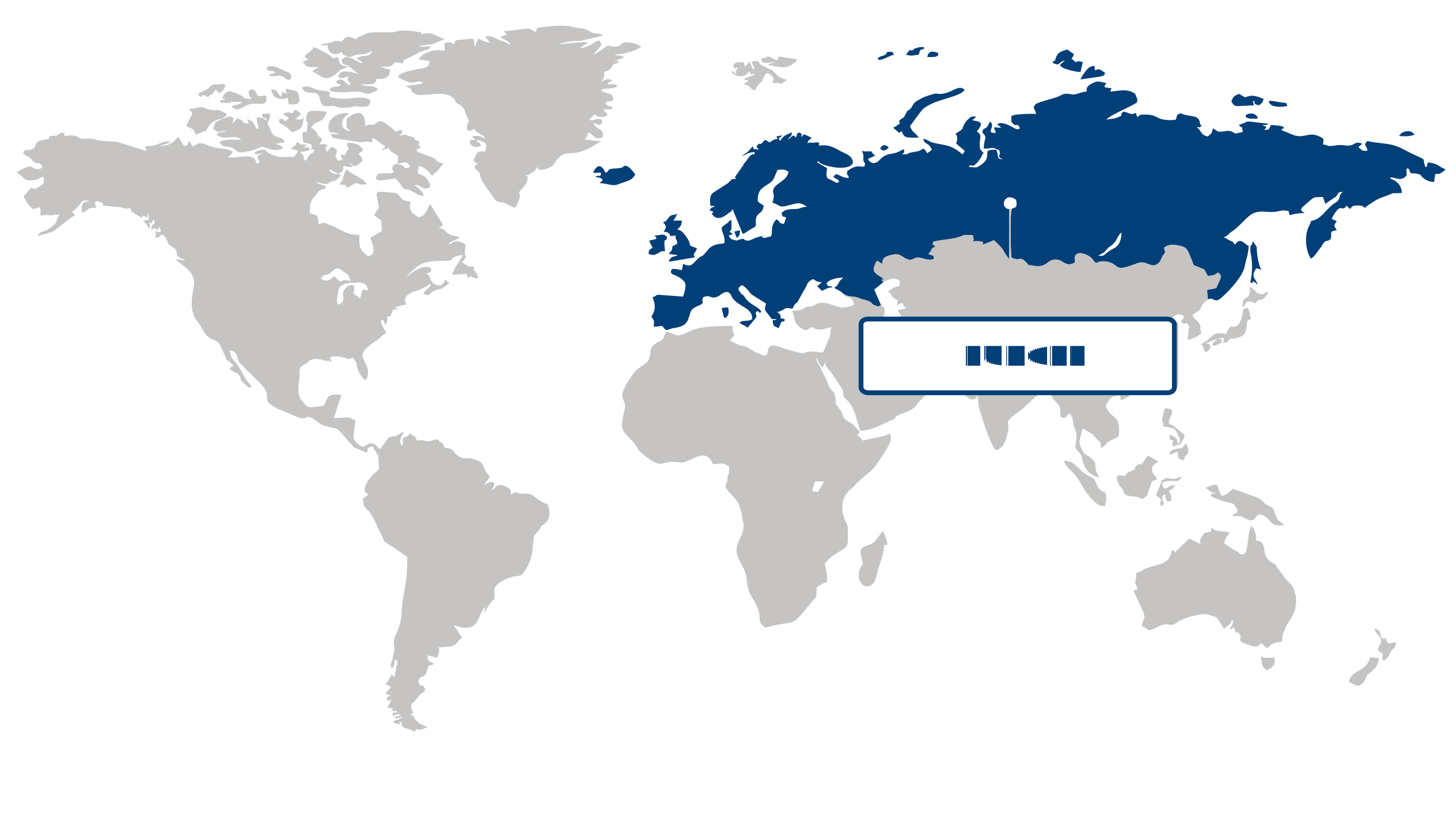
Europe (Largest Region)
Europe held the largest share of the commercial electric boiler market in 2026, led by strong emphasis on decarbonization, energy efficiency, electrification of heating systems, and the transition toward cleaner commercial energy infrastructure. Businesses across the region are increasingly replacing conventional fossil-fuel-based heating equipment with electric alternatives to reduce emissions and align building operations with sustainability objectives. Commercial facilities such as hotels, offices, healthcare institutions, educational buildings, and industrial sites are adopting electric boilers where reliable and controllable heating is required. The expansion of renewable electricity generation is further improving the attractiveness of electric heating by enabling businesses to reduce reliance on direct fossil fuel combustion. In addition, stringent environmental policies, energy-efficiency requirements, and growing investments in building modernization are encouraging the adoption of high-efficiency electric heating technologies. Increasing integration of smart controls and energy management systems is also supporting demand for commercial electric boilers capable of operating efficiently within modern low-carbon building environments.
Asia Pacific (Fastest-Growing Region)
Asia Pacific is expected to register the fastest growth in the commercial electric boiler market, influenced by rapid commercial construction, industrialization, increasing electrification, and growing focus on energy-efficient heating systems. Expanding hospitality, healthcare, commercial real estate, and industrial infrastructure is creating new demand for reliable heating and hot-water solutions. Governments and businesses are also placing greater emphasis on reducing emissions and improving energy efficiency, encouraging the transition from conventional fuel-based heating systems toward electric technologies. Increasing renewable energy deployment is strengthening this transition by providing cleaner electricity for commercial heating applications. Urbanization and the development of modern commercial buildings are further creating opportunities for automated and energy-efficient boiler systems, while improvements in heating controls, system integration, and operational efficiency are supporting broader adoption across commercial facilities.
| Parameter | North America | Asia Pacific | Europe | Latin America | MEA |
|---|---|---|---|---|---|
| Innovation HubiScaleNascentDeveloping Advanced | |||||
| Cost-Sensitive RegioniScaleLowMedium High | |||||
| Regulatory EnvironmentiScaleRestrictiveNeutral Supportive | |||||
| Demand DriversiScaleWeakModerate Strong | |||||
| Development StageiScaleEmergingDeveloping Developed | |||||
| Adoption RateiScaleLowMedium High | |||||
| New Entrants / StartupsiScaleSparseModerate Dense | |||||
| Macro IndicatorsiScaleWeakStable Strong |
Key Country Insights
United States 🇺🇸
Electrification Retrofit DemandThe U.S. commercial electric boiler market is shaped by building electrification efforts and the need to modernize heating systems in commercial facilities. Buyers are likely to assess installation flexibility, electrical infrastructure requirements, operating efficiency, and compatibility with existing heating networks.
Germany 🇩🇪
Building Heat ElectrificationGermany's commercial electric boiler market is closely connected with efforts to reduce reliance on conventional heating technologies in commercial buildings. Market priorities include efficient electric heating, compatibility with building systems, installation practicality, and integration with broader energy-management strategies.
Japan 🇯🇵
Efficient Commercial HeatingJapan's commercial electric boiler market emphasizes dependable heating within energy-conscious commercial facilities. Manufacturers can focus on compact equipment, efficient operation, precise temperature control, and straightforward integration with existing building infrastructure where space and operational reliability influence purchasing decisions.
South Korea 🇰🇷
Industrial Heat ElectrificationSouth Korea's commercial electric boiler market can benefit from electrification across commercial and light-industrial heating applications. Buyers may prioritize controllable heat output, installation flexibility, energy-management compatibility, and systems capable of supporting evolving facility electrification requirements.
France 🇫🇷
Low-Carbon Heating TransitionFrance's commercial electric boiler market is positioned around replacing or complementing conventional heating systems in commercial facilities. Product priorities include efficient electric operation, compatibility with building heating infrastructure, controllability, and practical installation for retrofit-oriented applications.
Italy 🇮🇹
Commercial Heating ModernizationItaly's commercial electric boiler market supports modernization of heating systems across commercial properties and facilities. Commercial decisions can center on equipment efficiency, retrofit compatibility, space requirements, controllable operation, and the ability to integrate electric heating into existing building systems.
Commercial Electric Boiler Market Share (%), by Application, 2026
Go beyond the chart, access full insights & data tables
Request Free Sample ReportApplication Segment Analysis: Educational Institutions (Largest Segment) vs Offices (Fastest-Growing Segment)
The educational institutions application segment accounted for a market share of 29.05% in 2026, supported by the need for dependable heating and hot water across schools, colleges, training facilities, and other educational buildings. Commercial electric boilers are well suited to these environments because they can provide controlled heat without direct onsite combustion, supporting cleaner and quieter operation in occupied facilities. Their compact configuration can also be advantageous where equipment space is limited, while relatively straightforward operation supports integration into existing building heating systems. Growing attention to building electrification, indoor air quality, and energy management is encouraging educational facilities to consider electric heating solutions as they modernize aging infrastructure. The need for reliable year-round hot water and space heating further reinforces demand, particularly in institutions seeking practical solutions with manageable operational requirements.
The offices application segment is expected to grow at the fastest pace, driven by increasing emphasis on efficient, flexible, and lower-emission heating systems in commercial workplaces. Electric boilers can support office buildings that require reliable space heating and hot water while aligning with broader electrification initiatives and evolving building energy strategies. Their ability to operate without onsite fuel combustion can simplify installation in certain commercial settings and reduce concerns associated with fuel storage and combustion-related emissions. Demand is also supported by modernization of office infrastructure, renovation of existing commercial buildings, and growing interest in integrating electric heating equipment with efficient building management systems. As workplaces increasingly prioritize energy performance, occupant comfort, and streamlined building operations, electric boilers are gaining relevance as part of broader commercial heating modernization.
Product Segment Analysis: Hot Water (Largest & Fastest-Growing Segment)
The hot water product segment represents the largest market share in 2026 and is also expected to grow at the fastest pace, reflecting the broad and recurring demand for hot water across commercial buildings. Commercial electric boilers designed for hot water applications can support sanitation, cleaning, kitchens, employee facilities, and other routine building requirements where dependable thermal water supply is essential. Their ability to provide controlled heating without direct combustion makes them suitable for indoor commercial environments where operational simplicity and space utilization are important. Demand is further supported by the need to modernize aging water-heating infrastructure and improve energy management across commercial properties. The flexibility of hot water systems across different building types, alongside increasing interest in electrified heating solutions, continues to strengthen the role of hot water applications in the commercial electric boiler market.
Voltage Rating Segment Analysis: Low Voltage (Largest & Fastest-Growing Segment)
The low voltage segment represents the largest market share in 2026 and is also expected to register the fastest growth, supported by its suitability for a broad range of commercial buildings with moderate electrical requirements. Low voltage electric boilers can be integrated into facilities such as offices, educational buildings, retail properties, and other commercial establishments where reliable heating and hot water are required without highly specialized electrical infrastructure. Their compatibility with common building electrical systems can simplify installation and support wider adoption during heating equipment replacement or building modernization projects. Increasing electrification of commercial heating is also creating opportunities for low voltage systems that can be incorporated into existing energy-management strategies. As commercial property owners increasingly focus on operational simplicity, equipment integration, and efficient use of available electrical capacity, low voltage boiler solutions are positioned to maintain strong demand.
| Segment | Sub-Segment | Largest Segment | Fastest Growing |
|---|---|---|---|
| Application | Offices, Healthcare Facilities, Educational Institutions, Lodgings, Retail Stores, Others | Educational Institutions | Offices |
| Product | Hot Water, Steam | Hot Water | Hot Water |
| Voltage Rating | Low Voltage, Medium Voltage | Low Voltage | Low Voltage |
| Capacity | ≤ 0.3 - 2.5 MMBTU/hr, > 2.5 - 10 MMBTU/hr, > 10 - 50 MMBTU/hr, > 50 - 100 MMBTU/hr, > 100 - 250 MMBTU/hr | > 10 - 50 MMBTU/hr | > 10 - 50 MMBTU/hr |
Unlock insights tailored to your business with our bespoke market research solutions.
Click to get your customized report now.
Competitive Landscape and Market Positioning
Analyst Perspective:
Operating economics and site infrastructure compatibility define competitive positioning within the commercial electric boiler segment. While these systems eliminate combustion emissions and offer compact footprints ideal for cramped mechanical retrofits, their commercial viability is tied directly to local electricity tariffs and high-voltage grid connection capacities. Manufacturers compete by offering precise output modulation and high thermal efficiency to manage power draw during variable heating cycles. Moreover, integrating smart grid demand-response technology allows facilities to leverage dynamic power pricing and renewable inputs, provided thermal storage or operational tolerance exists. Ultimately, long-term adoption depends on balancing equipment footprint and heating responsiveness against the physical constraints and electrical capabilities of the host facility.
Prominent players in the commercial electric boiler market:
- Bosch Thermotechnology (Germany)
- Cleaver-Brooks (United States)
- Fulton (United States)
- Chromalox (United States)
- Thermolec (Canada)
- Precision Boilers (United States)
- Acme Engineering (United States)
- PARAT Halvorsen (Norway)
- Reimers Electra Steam (United States)
- Thermodyne Boilers (India)
| Company | Market Share | Company Revenue | Revenue CAGR (%) | Product Portfolio | Geographic Presence | Innovation / R&D Focus | Strategic Developments |
|---|---|---|---|---|---|---|---|
| Bosch Thermotechnology (Germany) | |||||||
| Cleaver-Brooks (United States) | |||||||
| Fulton (United States) | |||||||
| Chromalox (United States) | |||||||
| Thermolec (Canada) | |||||||
| Precision Boilers (United States) | |||||||
| Acme Engineering (United States) | |||||||
| PARAT Halvorsen (Norway) | |||||||
| Reimers Electra Steam (United States) | |||||||
| Thermodyne Boilers (India) |
Industry Development/News
| Company Name | Date | Key Development |
|---|---|---|
| Cleaver-Brooks | February 2025 | Cleaver-Brooks launched the LVR electric hydronic boiler system featuring zero local emissions and nearly 100% operating efficiency. With power outputs from 90 kW to 540 kW, its modular architecture enables integration and scalability with renewable energy technologies to support commercial electrification. |
| Lochinvar | May 2024 | Lochinvar expanded its sustainable heating portfolio with the release of LECTRUS, a light commercial electric boiler ranging from 15 kW to 150 kW. The versatile model supports various commercial power requirements while catering to industry transition trends toward building electrification and carbon reduction. |
| Laars Heating Systems | January 2024 | Laars Heating Systems acquired Electro Industries to expand its space heating capabilities and diversify product offerings. The strategic acquisition integrates Electro Industries' electric heating portfolio, positioning Laars to meet shifting regulatory requirements and accelerating decarbonization demands across North American commercial markets. |
Customize Your Report
Explore examples of how this report can be tailored to different research needs, including custom segments, additional topics or chapters, and related reports. Click a section of the wheel or its numbered marker to explore the available options.
Commercial Electric Boiler Market — Custom Segments
| Segment | Sub-Segment |
|---|---|
| Installation Model | New-build installations, Replacement installations, Retrofit installations |
| Ownership Model | Owned systems, Leased systems, Energy-as-a-service systems |
| Energy Source Mix | Fully electric systems, Electric-primary hybrid systems, Renewable-electric integrated systems |
Commercial Electric Boiler Market — Custom TOC
| Custom Chapter | Chapter Details |
|---|---|
| Industrial Electrification Adoption |
|
| Retrofit & Replacement Economics |
|
| Energy-as-a-Service Business Models |
|
Need a different cut of the data?
Request Custom ResearchFrequently Asked Questions
What is the market valuation of the commercial electric boiler market?
What is the expected industry size of commercial electric boiler by 2036?
How is commercial heating electrification influencing investment in electric boiler systems?
How are building decarbonization requirements shaping commercial electric boiler adoption?
Why do educational institutions represent the largest application segment in the commercial electric boiler market?
Why is the hot water segment expanding in the commercial electric boiler market?
What factors support Europe's leadership in the commercial electric boiler market?
Why is Asia Pacific expected to grow rapidly in the commercial electric boiler market?
Who holds a significant market share in the commercial electric boiler landscape?
Our Clients
"The information presented in the report was genuinely insightful. The data was clear and easy to understand, which made it much easier to interpret the findings."
Amara Raja Group
"The responsiveness and professionalism exhibited by the team were exemplary. They were readily available to address queries, provide clarifications, and offer additional insights."
ONGC
"The reports offered a comprehensive analysis of various segments within the market. The detailed insights into market trends, and regulatory landscapes were excellent."
TotalEnergies
Our Research Team & Methodology
Every Fundamental Business Insights report is built by a dedicated vertical research team, validated through a structured primary-and-secondary methodology, and reviewed for accuracy before it reaches you.
This report was prepared by the Energy & Power Research Team at Fundamental Business Insights, a dedicated research group specializing in global energy markets, power generation technologies, and energy infrastructure. Our analysts continuously monitor developments in renewable energy, conventional power generation, grid modernization, energy storage, transmission and distribution infrastructure, decarbonization initiatives, regulatory policies, energy investments, and evolving electricity demand across residential, commercial, and industrial sectors to deliver timely and reliable market intelligence. The research is developed using a structured methodology that combines primary discussions with utility companies, equipment manufacturers, technology providers, project developers, energy consultants, and industry experts, along with company annual reports, government energy statistics, regulatory publications, industry associations, technical publications, and other authoritative secondary sources. Market estimates are validated through multiple research techniques, including top-down and bottom-up analysis, before undergoing an internal quality review to ensure accuracy, consistency, and methodological integrity prior to publication.
Delivery
Published
Available
Support
- Market Size & Forecast
- Market Segmentation
- Regional Analysis
- Growth Drivers & Challenges
- Market Dynamics
- Competitive Landscape
- Company Profiles
- Competitive Benchmarking
- Mergers & Acquisitions
- Market Share Analysis or Key Company Strategies
- Value Chain Analysis
- Porter's Five Forces
- PESTLE Analysis
- Pricing Trends
- Supply-Demand Analysis
- Technology Landscape
- Regulatory Landscape
- Investment & Funding Landscape
- Emerging Opportunities
- Future Market Outlook