Herbs & Spice Extracts Market Size & Forecasts 2026-2035, By Segments (Product Type, Sales Channel, Form, Application), Growth Opportunities, Innovation Landscape, Regulatory Shifts, Strategic Regional Insights (U.S., Japan, China, South Korea, UK, Germany, France), and Competitive Dynamics (Symrise, Givaudan, Döhler, Kalsec, Indesso)
Jump to content
Market Size and Growth Outlook
Herbs & Spice Extracts Market size is anticipated to rise from USD 13.45 billion in 2025 to USD 28.24 billion by 2035, reflecting a CAGR surpassing 7.7% over the forecast horizon of 2026-2035. The estimated revenue for 2026 is USD 14.36 billion.
Get more details on this report
Request Free Sample ReportHerbs & Spice Extracts Market Intelligence Snapshot
Regional Market Dynamics
Segment Momentum
Market Expansion Drivers
Leading Market Participants
Global Market Forecast Snapshot
Market Outlook
Regional and Segment Outlook
Market Growth Drivers and Industry Trends
The shift toward health-conscious consumer behavior is propelling growth in the herbs & spice extracts market, as buyers increasingly seek natural, functional ingredients with perceived health benefits. According to the International Food Information Council (IFIC), consumer preference for clean-label products continues to drive reformulation efforts that embrace botanical extracts over synthetic additives. This trend incentivizes companies like Givaudan and Symrise to expand their portfolios with organic and bioactive extracts, enhancing product differentiation. Both established players and startups can capitalize by developing extracts rich in antioxidants or anti-inflammatory compounds, aligning with wellness trends. Going forward, regulatory bodies such as the FDA are likely to enhance labeling guidelines, supporting transparency and fostering consumer trust, which will further stimulate demand and innovation in natural extracts.
Expansion in Food and Beverage Flavoring Applications
The increasing use of herbs and spice extracts in diverse food and beverage segments is a pivotal growth lever for the herbs & spice extracts market. Nestlé’s recent product launches illustrate the strategic incorporation of spice extracts to enhance flavor profiles in plant-based and functional foods, responding to evolving taste preferences and dietary shifts globally. This expansion broadens application avenues beyond traditional seasoning, encouraging collaboration across the supply chain from extract producers to manufacturers. For new entrants, targeting niche segments like ethnic and functional beverages presents an opportunity to carve distinct market positions. As consumer palates diversify and demand for sensory-rich experiences intensifies, innovation in formulation using spice extracts will be paramount in maintaining competitive relevance.
Advancements in Extraction and Concentration Technologies
Technological innovation in extraction methods, such as supercritical fluid extraction and ultrasonication, is transforming the herbs & spice extracts market by improving yield, purity, and sustainability of active components. Firmenich’s investment in green extraction technologies exemplifies this drive toward efficient, eco-friendly processes that meet both sustainability criteria and stringent quality standards demanded by food and pharmaceutical clients. These advances reduce dependency on solvents and lower environmental impact, addressing increasing regulatory pressure from agencies like the European Food Safety Authority (EFSA). Established firms can leverage proprietary technologies for premium product offerings, while newcomers can adopt scalable, cost-effective methods to compete on quality. This tide of innovation signals a long-term industry shift emphasizing sustainable sourcing and process transparency.
Industry Restraints:
Regulatory Complexity and Compliance Challenges
The herbs & spice extracts market is significantly restrained by intricate regulatory frameworks governing food safety, labeling, and product claims across different regions. Variations in permissible additive levels and extraction methods increase operational complexity, as noted by the U.S. Food and Drug Administration (FDA) and the European Food Safety Authority (EFSA). These regulatory hurdles elevate compliance costs and slow time-to-market, especially for small and medium enterprises that lack dedicated regulatory affairs resources. Moreover, consumer trust can be eroded when products face scrutiny or recalls, tightening retailers’ and distributors’ acceptance criteria. Market participants must continuously invest in rigorous testing and certification processes, impeding agile innovation and scale. Regulatory fragmentation is unlikely to abate soon due to heightened global food safety concerns and evolving standards, forcing companies to adopt robust cross-jurisdictional compliance strategies to sustain growth.
Supply Chain Instability and Raw Material Sourcing Risks
Volatility in the supply of high-quality herbs and spice extracts, driven by climate variability, geopolitical tensions, and labor shortages, represents a critical market constraint. According to the Food and Agriculture Organization (FAO), erratic weather patterns in key production regions such as India and Southeast Asia disrupt harvest volumes and quality consistency. Additionally, protectionist trade policies and rising freight costs, highlighted by recent trade updates from the World Trade Organization (WTO), exacerbate sourcing unpredictability. These supply chain vulnerabilities compel manufacturers to secure multiple sourcing channels and invest in inventory buffers, raising working capital requirements. Both incumbents and entrants face heightened risk exposure and margin pressures, complicating long-term planning. Given ongoing environmental and geopolitical dynamics, supply chain resilience will remain a pivotal strategic imperative, shaping procurement models and partnerships across the herbs & spice extracts sector.
| Growth Driver | Impact on CAGR | Regulatory Influence | Geographic Relevance | Adoption Rate | Impact Timeline |
|---|---|---|---|---|---|
| Growing demand for natural and functional spice extracts | 2.80% | Short term (≤ 2 yrs) | Asia Pacific, Europe; Spillover: North America | Low | Moderate |
| Expansion in food and beverage flavoring applications | 2.50% | Medium term (2–5 yrs) | North America, Europe; Spillover: Asia Pacific | Low | Moderate |
| Innovation in extraction and concentration technologies | 2.40% | Long term (5+ yrs) | Europe; Spillover: Asia Pacific | Low | Slow |
Unlock insights tailored to your business with our bespoke market research solutions.
Click to get your customized report now.
Regional Demand Dynamics
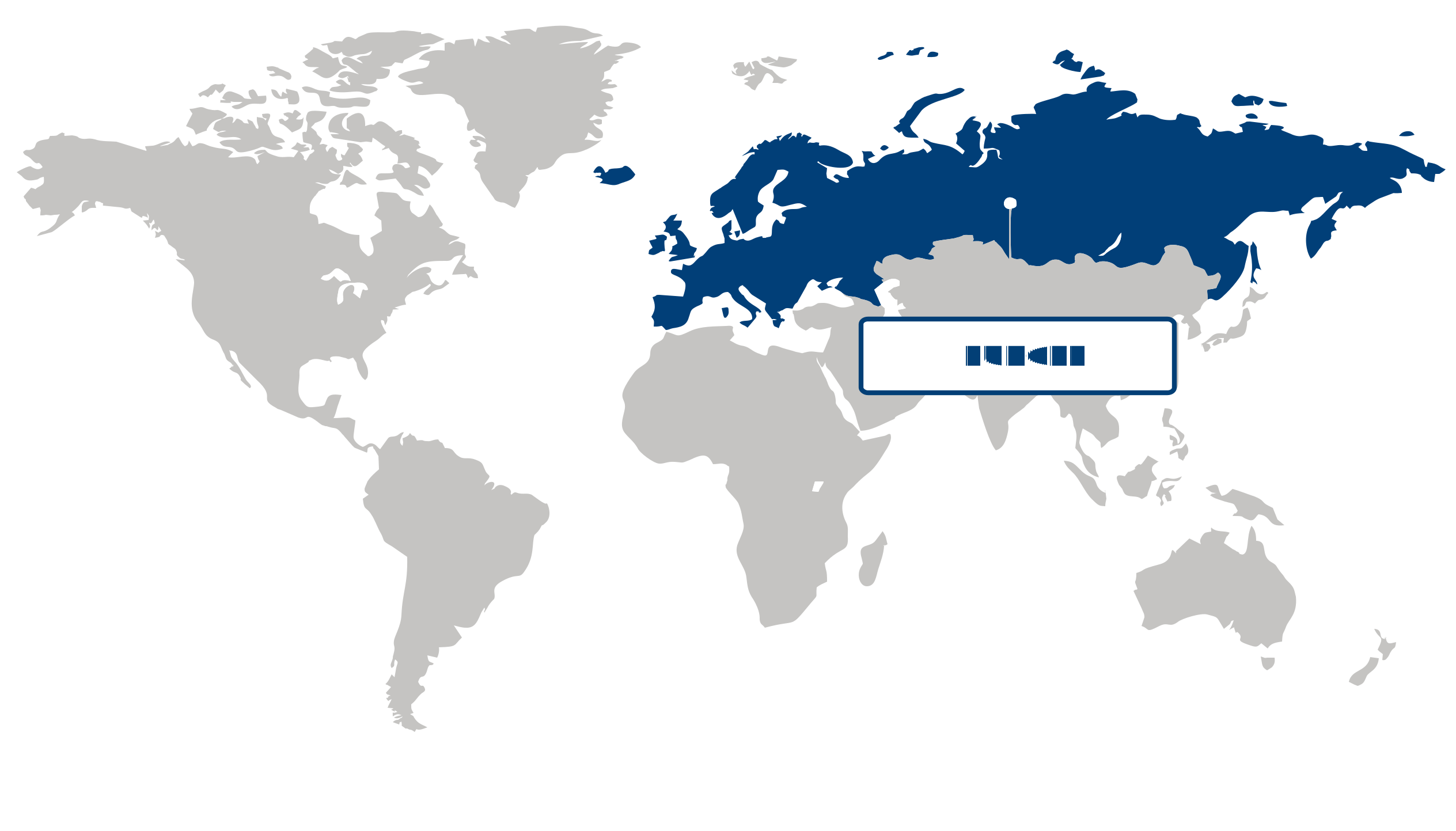
Europe dominated the herbs & spice extracts market in 2025, representing more than 38% of the global share. This leadership stems primarily from its well-established food processing industry coupled with rising clean-label trends that emphasize natural ingredients. The mature manufacturing infrastructure in Europe facilitates efficient extraction technologies and consistent quality, while consumers increasingly seek transparency and sustainability in product contents, supported by stringent regulations from authorities such as the European Food Safety Authority (EFSA). For instance, companies like Symrise and Givaudan have capitalized on these dynamics through new natural extract lines responding to clean-label demands. These factors create a robust ecosystem that not only sustains market growth but also fosters innovation, making Europe a prime region for investment in herbs & spice extracts.
Germany anchors the European herbs & spice extracts market with its advanced food technology sector and high consumer standards for natural products. The country benefits from proactive policymaking through agencies like the Federal Institute for Risk Assessment (BfR), which ensures safety and compliance, thus instilling trust in herb and spice-derived ingredients. German companies such as Döhler leverage these regulations and consumer preferences to develop premium, sustainable extracts that appeal to health-conscious markets. This strategic positioning reinforces Germany’s critical role in driving Europe's broader market success.
France holds a pivotal position in the European herbs & spice extracts market, driven by its strong culinary heritage and an active clean-label movement. The French National Institute for Origin and Quality (INAO) supports traditional but innovative use of natural extracts, encouraging both artisanal and large-scale producers to meet evolving consumer demands. Firms like Mane have introduced organic and traceable spice extracts aligned with these trends, catering to a sophisticated palate focused on authenticity and health. Such culturally embedded practices make France essential for sustaining Europe’s dominance and unlocking future market opportunities.
Asia Pacific Market Analysis:
Asia Pacific emerged as the fastest-growing region in the herbs & spice extracts market, registering a robust CAGR of 8.9%. This accelerated growth is primarily driven by the rising demand for processed foods and the enduring popularity of traditional medicine practices across the region. Consumers in Asia Pacific are increasingly seeking natural and health-oriented ingredients, prompting manufacturers to incorporate herbs and spice extracts as both flavor enhancers and functional additives. Regulatory bodies such as Japan’s Ministry of Health, Labour and Welfare are fostering innovation by streamlining approvals for natural product use, thus encouraging market expansion. Additionally, the region’s complex supply chains and advanced processing technologies enable efficient sourcing and formulation of diverse extracts, ensuring product quality and consistency. As a result, Asia Pacific’s demographic diversity and evolving dietary preferences present sustained market opportunities supported by a blend of cultural heritage and modernization, positioning this region for continued leadership in herbs & spice extracts.
China plays a pivotal role in Asia Pacific’s herbs & spice extracts market, driven by its rapidly growing processed food sector and strong adherence to traditional Chinese medicine (TCM). Chinese consumers increasingly prioritize wellness-oriented products, integrating herbal extracts known for their therapeutic properties into everyday diets. The country benefits from significant governmental support, with the China Food and Drug Administration promoting standardized cultivation and extraction practices that enhance product safety and efficacy. Leading domestic companies like Anhui BBCA Biochemical Pharmaceutical Co., Ltd. have capitalized on these trends by expanding R&D and export capabilities. This focus on innovation and quality is complemented by a vast agricultural base ensuring steady raw material supply. China’s strategic investments in digital supply chain management further strengthen its market positioning, making it a linchpin in Asia Pacific’s overall growth trajectory for herbs & spice extracts.
Japan complements the regional momentum with a mature and sophisticated consumer base that values natural ingredients for health optimization and culinary applications. The Japanese market reflects an increasing shift toward convenience foods enriched with functional herbs and spice extracts, driven by demographic trends such as an aging population seeking preventive health solutions. Institutions like the Japan External Trade Organization (JETRO) highlight Japan’s stringent quality controls and high R&D intensity, which enhance product credibility and drive premiumization. Japanese manufacturers emphasize clean-label products and sustainable sourcing, aligning with global consumer consciousness and regulatory expectations. Japan’s integration of traditional Kampo medicine principles with modern food technology reinforces its unique positioning. This strategic blend of tradition and innovation fosters a resilient market landscape, solidifying Asia Pacific’s overall competitive advantage in herbs & spice extracts.
North America Market Trends:
North America maintained notable presence in the herbs & spice extracts market, driven by evolving consumer preferences toward natural and clean-label products. The region’s strong regulatory frameworks and rising investments in sustainable sourcing underscore its market significance. For instance, the U.S. Food and Drug Administration’s (FDA) increasing scrutiny on synthetic additives has fueled demand for natural extracts, as highlighted in the 2023 FDA annual report. Additionally, North American companies like McCormick & Company have advanced digital supply chain integration to enhance transparency and operational efficiency. Rising consumer spending on health-oriented foods and growing popularity of ethnic cuisines further propel market growth. North America’s robust infrastructure and innovation capacity position it well to capitalize on emerging trends, offering considerable opportunities for product differentiation and scalable production in the herbs & spice extracts market moving forward.
The U.S. plays a central role in North America’s herbs & spice extracts market, with consumer demand for organic and non-GMO ingredients accelerating product innovation. Regulatory shifts, such as USDA organic certification expansion, have encouraged companies like Sensient Technologies Corporation to introduce plant-based extract lines tailored to clean-label standards. Furthermore, the U.S. market benefits from well-established distribution frameworks that reduce time-to-market and allow efficient responses to consumer trends, as documented in the USDA Agricultural Marketing Service reports. This combination of regulatory compliance, consumer health focus, and supply chain sophistication positions the U.S. as a strategic hub driving overall North American growth, contributing to competitive intensity and sustained market leadership in natural extract solutions.
| Parameter | North America | Asia Pacific | Europe | Latin America | MEA |
|---|---|---|---|---|---|
| Innovation HubiScaleNascentDeveloping Advanced | |||||
| Cost-Sensitive RegioniScaleLowMedium High | |||||
| Regulatory EnvironmentiScaleRestrictiveNeutral Supportive | |||||
| Demand DriversiScaleWeakModerate Strong | |||||
| Development StageiScaleEmergingDeveloping Developed | |||||
| Adoption RateiScaleLowMedium High | |||||
| New Entrants / StartupsiScaleSparseModerate Dense | |||||
| Macro IndicatorsiScaleWeakStable Strong |
Herbs & Spice Extracts Market Share (%), by Product Type, 2026
Go beyond the chart, access full insights & data tables
Request Free Sample ReportSpice extracts held the largest share in the herbs & spice extracts market as a product type in 2025, driven by robust demand for natural flavor enhancers in food and processed products. Industry leaders like McCormick & Company emphasize clean-label and authentic flavor profiles, reflecting a consumer shift toward minimally processed, sustainable ingredients. This preference aligns with regulatory frameworks from bodies such as the FDA promoting natural additives. The widespread adoption of spice extracts offers strategic advantages, enabling both established firms and emerging players to cater to diverse culinary traditions and health-conscious demographics. With ongoing innovation in extraction technologies and flavor profiling, spice extracts are positioned to maintain their market leadership amid evolving consumer and regulatory environments.
Analysis by Sales Channel
Indirect sales represented the largest share of the herbs & spice extracts market in 2025, largely driven by supermarkets and hypermarkets playing a dominant role in product distribution. Retail giants like Walmart and Carrefour have expanded their natural and organic sections, increasing herb and spice extract availability to a broad customer base. This channel capitalizes on evolving consumer buying patterns favoring convenience and trusted retail environments. Moreover, indirect sales benefit from efficient supply chains and collaborative vendor relationships, ensuring consistent product delivery and competitive pricing. The channel’s scale and accessibility offer significant opportunities for market entrants seeking rapid consumer reach. Given the continued dominance of large-format retailers worldwide, indirect sales are expected to stay pivotal in shaping market dynamics.
Analysis by Form
Powder form held the largest share in the herbs & spice extracts market in 2025, supported by rising consumer preference for natural, clean-label ingredients and the growing use of powder extracts across food, nutraceutical, and personal care applications. Companies like Givaudan are advancing powder formulations that preserve bioactive compounds while enhancing ease of use and shelf life. This form meets sustainability priorities by reducing packaging and transportation weights, aligning with global efforts led by organizations such as the UN Environment Programme. Powder extracts cater to health-conscious and convenience-seeking consumers, creating strategic avenues for innovation and product differentiation. As demand for versatile, clean-label formats continues to rise, powder extracts remain a growth focal point backed by technological improvements in processing and formulation.
| Segment | Sub-Segment | Largest Segment | Fastest Growing |
|---|---|---|---|
| Product Type | Herb Extracts, Spice Extracts | ||
| Sales Channel | Direct Sales, Indirect Sales | ||
| Form | Powder, Liquid, Others | ||
| Application | Food, Beverages, Personal Care, Nutraceuticals, Pharmaceuticals, Others |
Competitive Landscape and Market Positioning
The competitive environment is marked by strategic expansions and intensifying innovation efforts among these frontrunners. Collaborations and selective acquisitions have enhanced portfolios, enabling broader market penetration and faster adaptation to consumer preferences in natural, clean-label extracts. Continuous investments in research and development foster cutting-edge extraction technologies, optimizing flavor and bioactive compound retention. Launching new variants aligned with health and wellness trends further differentiates offerings. This dynamic interplay of scale, customization, and technology fortifies the agility and competitive edge of top contenders.
Strategic / Actionable Recommendations for Regional Players
North American stakeholders should prioritize synergies with innovation-driven start-ups and leverage advancements in sustainable extraction technologies to meet stringent regulatory and consumer standards. Creating distinctive product lines focused on organic and non-GMO extracts could unlock niche demand segments.
In Asia Pacific, fostering collaborations with traditional herb cultivators or integrating modern processing with indigenous knowledge may enhance authenticity and supply chain responsiveness. Expanding presence in burgeoning urban markets by adapting products for local taste preferences could accelerate growth.
European entities can benefit by augmenting sustainability practices and engaging in circular economy initiatives. Strengthening partnerships across the supply chain to ensure traceability and quality assurance will resonate with environmentally conscious consumers and regulatory frameworks, solidifying market leadership.
| Company | Market Share | Company Revenue | Revenue CAGR (%) | Product Portfolio | Geographic Presence | Innovation / R&D Focus | Strategic Developments |
|---|---|---|---|---|---|---|---|
| No companies available. | |||||||
Customize Your Report
Explore examples of how this report can be tailored to different research needs, including custom segments, additional topics or chapters, and related reports. Click a section of the wheel or its numbered marker to explore the available options.
Herbs & Spice Extracts Market — Custom Segments
| Segment | Sub-Segment |
|---|---|
| No segment data available. | |
Herbs & Spice Extracts Market — Custom TOC
| Custom Chapter | Chapter Details |
|---|---|
| No custom TOC data available. | |
Need a different cut of the data?
Request Custom ResearchFrequently Asked Questions
What is the anticipated CAGR of the herbs & spice extracts industry?
Which part of the world represents the largest segment of the herbs & spice extracts market?
Which region has emerged as the fastest-growing for the herbs & spice extracts sector?
When did spice extracts sub-segment emerge as the largest sub-segment in the product type segment of herbs & spice extracts sector?
Why is the indirect sales segment leading in the herbs & spice extracts industry?
Why does powder sub-segment dominate the form segment of herbs & spice extracts sector?
How much is the food segment expected to grow in the herbs & spice extracts industry beyond 2025?
Who holds a significant market share in the herbs & spice extracts landscape?
Our Clients
"The report provided a thorough look at market trends, technological advancements, and the competitive landscape. The depth of insights was really valuable."
ITC Limited
"We would highly recommend Fundamental Business Insights & Consulting to anyone looking for reliable, detailed, and comprehensive market research in the Food industry."
Tyson Foods
"The clarity and presentation of the information were commendable. The report was delivered timely, which made the overall experience smooth and convenient."
Mondelēz International
Our Research Team & Methodology
Every Fundamental Business Insights report is built by a dedicated vertical research team, validated through a structured primary-and-secondary methodology, and reviewed for accuracy before it reaches you.
Delivery
Published
Available
Support
- Market Size & Forecast
- Market Segmentation
- Regional Analysis
- Growth Drivers & Challenges
- Market Dynamics
- Competitive Landscape
- Company Profiles
- Competitive Benchmarking
- Mergers & Acquisitions
- Market Share Analysis or Key Company Strategies
- Value Chain Analysis
- Porter's Five Forces
- PESTLE Analysis
- Pricing Trends
- Supply-Demand Analysis
- Technology Landscape
- Regulatory Landscape
- Investment & Funding Landscape
- Emerging Opportunities
- Future Market Outlook