High Visibility Clothing Market Size & Growth Forecast 2027–2036, By Segments (Category, Product Type, Distribution Channel, Price Range, Material, End User), Regional Demand Trends (North America, Asia Pacific, Europe), Key Country Insights (U.S., Japan, South Korea, Germany, France, Italy), and Competitive Landscape
Jump to Content
Market Size and Growth Outlook
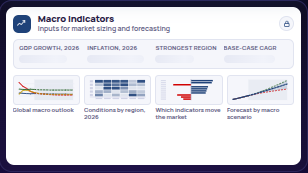
High Visibility Clothing Market size was assessed at USD 1.89 Billion in 2026 and is poised to grow at 7.21% CAGR between 2027 and 2036, exceeding USD 3.79 Billion by 2036. The industry revenue for 2027 is calculated at USD 2.01 Billion.
Get more details on this report
Request Free Sample ReportHigh Visibility Clothing Market Intelligence Snapshot
Regional Market Dynamics
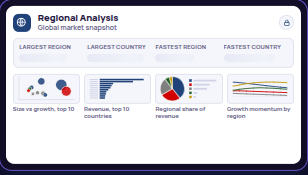
- Asia Pacific held a 38.23% share in 2026, supported by extensive construction, manufacturing, logistics, transportation, and infrastructure activity requiring enhanced worker visibility.
- North America is expected to grow fastest as workplace safety awareness, infrastructure development, and industrial modernization increase demand for compliant protective garments.
Segment Momentum
- Type O accounted for 48.12% of the market in 2026 due to strong demand across maintenance, warehousing, logistics, and industrial operations where enhanced worker visibility and regulatory compliance are essential.
- The online channel is the fastest-growing as organizations increasingly benefit from wider product selection, convenient ordering, competitive pricing, and improved delivery services for industrial apparel procurement.
Market Expansion Drivers
- Workplace safety regulations driving mandatory adoption of high visibility protective clothing across industries
- Rising awareness of worker safety standards increasing demand for protective and reflective apparel
- Expanding construction and infrastructure projects boosting demand for industrial safety workwear
Leading Market Participants
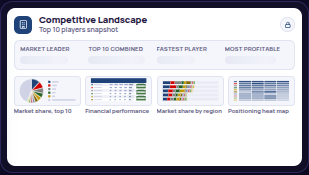
- Leading players in the high visibility clothing market include 3M Company (United States), Honeywell International Inc. (United States), Ansell Limited (Australia), Carhartt, Inc. (United States), Cintas Corporation (United States), Lakeland Industries, Inc. (United States), Portwest Ltd. (Ireland), Radians, Inc. (United States), DuPont de Nemours, Inc. (United States), Vestis Corporation (United States)
Global Market Forecast Snapshot
Market Outlook
- 2026 Market Size: USD 1.89 Billion
- 2027 Estimated Market Size: USD 2.01 Billion
- Projected Market Size: USD 3.79 Billion by 2036
- Growth Forecast: 7.21% CAGR (2027-2036)
Regional and Segment Outlook
- Leading Regional Market: Asia Pacific
- High-Growth Regional Hub: North America
- Core Revenue Segment: Type O (Category) | Jackets (Product Type) | Offline (Distribution Channel) | Medium (Price Range) | Polyester (Material) | Construction (End User)
- Emerging Opportunity Segment: Type R (Category) | Jackets (Product Type) | Online (Distribution Channel) | Low (Price Range) | Retroreflective Materials (Material) | Warehouse Operation (End User)
Market Growth Drivers and Industry Trends
Workplace safety regulations driving mandatory adoption of high visibility protective clothing across industries
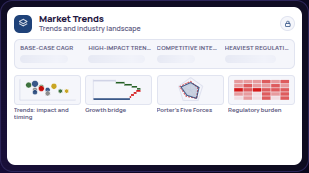
Stronger occupational safety requirements across industrial sectors are encouraging employers to implement standardized protective apparel programs, supporting growth of the high visibility clothing market. Industries such as construction, transportation, manufacturing, and utilities increasingly require workers to wear reflective garments that improve visibility in hazardous environments and reduce workplace risks. Regulatory compliance has shifted high visibility apparel from an optional safety measure to an essential component of workplace protection strategies, increasing demand for durable jackets, vests, and specialized garments designed for different operating conditions.
Rising awareness of worker safety standards increasing demand for protective and reflective apparel
Growing recognition of workplace safety practices is expanding the adoption of protective and reflective clothing among employers and workers. The high visibility clothing market benefits as organizations place greater emphasis on preventing accidents through improved worker identification in low-light, high-traffic, and outdoor environments. Increased focus on employee well-being is encouraging companies to upgrade safety gear with enhanced visibility features, weather-resistant materials, and application-specific designs that align with evolving workplace requirements.
Expanding construction and infrastructure projects boosting demand for industrial safety workwear
Large-scale construction and infrastructure activities are increasing the need for reliable protective equipment, creating favorable conditions for the high visibility clothing market. Construction sites, road development projects, and industrial facilities require workers to use visible apparel to maintain safety around heavy machinery, vehicles, and complex work zones. As project activity expands across urban and industrial environments, contractors and employers are increasing procurement of high-performance workwear that supports operational safety and workforce protection.
| Growth Driver | Impact on CAGR | Regulatory Influence | Geographic Relevance | Adoption Rate | Impact Timeline |
|---|---|---|---|---|---|
| Workplace safety regulations driving mandatory adoption of high visibility protective clothing across industries | 2.4% | High | North America, Europe | High | Near Term |
| Rising awareness of worker safety standards increasing demand for protective and reflective apparel | 2.2% | High | Asia Pacific, Europe | High | Near Term |
| Expanding construction and infrastructure projects boosting demand for industrial safety workwear | 2.3% | High | Asia Pacific, Middle East & Africa | High | Near Term |
Unlock insights tailored to your business with our bespoke market research solutions.
Click to get your customized report now.
Regional Demand Dynamics

Asia Pacific (Largest Region)
The high visibility clothing market was led by Asia Pacific with a 38.23% share in 2026, supported by extensive construction, manufacturing, transportation, logistics, and infrastructure activities that require enhanced worker visibility. Rising emphasis on occupational safety and workplace protection is encouraging employers to adopt specialized garments across hazardous and low-visibility environments. Expanding industrial activity and greater awareness of workplace safety practices are further strengthening demand for high-visibility apparel, particularly across industries where workers operate near vehicles, heavy machinery, and active worksites.
North America (Fastest-Growing Region)
North America is expected to experience the fastest growth, supported by strong workplace safety awareness, established occupational protection practices, and continued activity across construction, transportation, utilities, and industrial sectors. Greater focus on reducing workplace accidents is encouraging the use of compliant protective clothing with improved visibility and functionality. Demand is also being supported by infrastructure development and the modernization of industrial operations, where high-visibility garments remain an important component of broader worker safety programs.
| Parameter | North America | Asia Pacific | Europe | Latin America | MEA |
|---|---|---|---|---|---|
| Innovation HubiScaleNascentDeveloping Advanced | |||||
| Cost-Sensitive RegioniScaleLowMedium High | |||||
| Regulatory EnvironmentiScaleRestrictiveNeutral Supportive | |||||
| Demand DriversiScaleWeakModerate Strong | |||||
| Development StageiScaleEmergingDeveloping Developed | |||||
| Adoption RateiScaleLowMedium High | |||||
| New Entrants / StartupsiScaleSparseModerate Dense | |||||
| Macro IndicatorsiScaleWeakStable Strong |
Key Country Insights
United States 🇺🇸
Workplace Safety ComplianceThe U.S. high visibility clothing market is supported by stringent workplace safety practices across construction, logistics, utilities, and transportation. Buyers increasingly seek durable garments offering enhanced comfort, visibility, and compliance with recognized safety standards.
Germany 🇩🇪
Industrial Protective ApparelGermany emphasizes high visibility clothing designed for manufacturing, infrastructure, and industrial work environments. Purchasing decisions increasingly favor durable fabrics, ergonomic designs, and protective apparel compatible with broader workplace safety programs.
Japan 🇯🇵
Functional Workwear StandardsJapan prioritizes high visibility clothing that balances worker comfort with dependable visibility in construction, transport, and municipal services. Employers increasingly adopt lightweight, durable garments suitable for extended daily use across varied operating conditions.
South Korea 🇰🇷
Infrastructure Workforce SafetySouth Korea continues expanding demand for high visibility clothing across infrastructure projects, logistics operations, and industrial facilities. Organizations increasingly specify apparel that combines reflective performance, durability, and practical wearability for field personnel.
France 🇫🇷
Regulated Safety ApparelFrance maintains steady demand for high visibility clothing as employers strengthen occupational safety practices across transportation and public works. Procurement priorities include certified protective garments that improve worker visibility without compromising mobility.
Italy 🇮🇹
Construction Site ProtectionItaly is increasing adoption of high visibility clothing across construction, road maintenance, and utility operations. End users prioritize comfortable, long-lasting garments that support regulatory compliance while improving worker safety in challenging outdoor environments.
High Visibility Clothing Market Share (%), by Category, 2026
Go beyond the chart, access full insights & data tables
Request Free Sample ReportCategory Segment Analysis: Type O (Largest Segment) vs Type R (Fastest-Growing Segment)
The type O category segment dominated the high visibility clothing market, accounting for 48.12% of the market share in 2026. Its leadership is driven by widespread adoption in occupational environments where workers require enhanced visibility without exposure to high-speed traffic hazards. The segment benefits from consistent demand across maintenance, warehousing, logistics, and general industrial operations, where improved worker safety and regulatory compliance remain key priorities.
The type R category segment is expected to register the fastest growth as demand increases for advanced protective apparel in roadside construction, transportation, and traffic management applications. Greater emphasis on workplace safety regulations, infrastructure development projects, and protection for personnel operating near moving vehicles is encouraging broader adoption of type R garments across public and private sectors.
Product Type Segment Analysis: Jackets (Largest & Fastest-Growing Segment)
The jackets product type segment accounted for 27.43% of the high visibility clothing market in 2026 while also emerging as the fastest-growing segment. High-visibility jackets provide enhanced worker protection by combining reflective materials with weather resistance and durability, making them suitable for year-round outdoor operations. Increasing safety requirements across construction, transportation, utilities, and industrial workplaces, along with rising demand for multifunctional protective apparel, continue to strengthen the segment's leadership and growth.
Distribution Channel Segment Analysis: Offline (Largest Segment) vs Online (Fastest-Growing Segment)
The offline distribution channel segment held the largest share of the market in 2026, supported by the strong presence of specialty safety equipment suppliers, industrial distributors, and retail outlets that allow buyers to evaluate product quality, sizing, and compliance before purchase. Bulk procurement by industrial organizations and long-established distributor relationships continue to sustain the dominance of offline sales.
The online distribution channel segment is anticipated to witness the fastest growth in the high visibility clothing market as digital commerce expands across industrial procurement and business-to-business purchasing. Easy access to a wider product selection, convenient ordering processes, competitive pricing, and improved delivery services are encouraging organizations and individual buyers to increasingly source high-visibility apparel through online platforms.
| Segment | Sub-Segment | Largest Segment | Fastest Growing |
|---|---|---|---|
| Category | Type O, Type R, Type P | Type O | Type R |
| Product Type | Vest, Jackets, Trousers, T-Shirts, Hats, Rainwater, Others | Jackets | Jackets |
| Distribution Channel | Online, Offline | Offline | Online |
| Price Range | Low, Medium, High | Medium | Low |
| Material | Polyester, Spandex, Retroreflective Materials, Nylon, Blend Fabrics, Others | Polyester | Retroreflective Materials |
| End User | Construction, Oil & Gas, Mining, Warehouse Operation, Traffic Management, Airport Ground Staff, Maritime Activities, Others | Construction | Warehouse Operation |
Competitive Landscape and Market Positioning
Major players in the high visibility clothing market:
- 3M Company (United States)
- Honeywell International, Inc. (United States)
- Ansell Limited (Australia)
- Carhartt, Inc. (United States)
- Cintas Corporation (United States)
- Lakeland Industries, Inc. (United States)
- Portwest Ltd. (Ireland)
- Radians, Inc. (United States)
- DuPont de Nemours, Inc. (United States)
- Vestis Corporation (United States)
Product differentiation is steadily moving beyond basic compliance with safety standards as industrial buyers seek protective apparel that combines visibility, comfort, durability, and extended service life. Manufacturers are investing in advanced textile technologies, ergonomic garment construction, and weather-resistant materials to improve worker acceptance without compromising protective performance. Competition is also being influenced by the growing preference for sustainable manufacturing practices and recyclable materials, particularly among organizations integrating environmental objectives into procurement decisions. Suppliers capable of delivering consistent quality across multiple occupational settings while offering flexible customization for industry-specific requirements are strengthening their competitive position.
| Company | Market Share | Company Revenue | Revenue CAGR (%) | Product Portfolio | Geographic Presence | Innovation / R&D Focus | Strategic Developments |
|---|---|---|---|---|---|---|---|
| 3M Company (United States) | |||||||
| Honeywell International Inc. (United States) | |||||||
| Ansell Limited (Australia) | |||||||
| Carhartt Inc. (United States) | |||||||
| Cintas Corporation (United States) | |||||||
| Lakeland Industries Inc. (United States) | |||||||
| Portwest Ltd. (Ireland) | |||||||
| Radians Inc. (United States) | |||||||
| DuPont de Nemours Inc. (United States) | |||||||
| Vestis Corporation (United States) |
Industry Development/News
| Company Name | Date | Key Development |
|---|---|---|
| QKR Namibia Navachab Gold Mine | Aug-25 | QKR Namibia Navachab Gold Mine deployed a newly launched line of personal protective equipment gear across its operations. The initiative updates the operational footprint for workforce safety solutions, though its strategic significance is primarily limited to internal corporate safety procurement rather than broader commercial market supply. |
| Lakeland Industries, Inc. | Nov-24 | Lakeland Industries, Inc. expanded its commercial positioning, reporting a 15% sales increase for its high-visibility protective wear business unit. The growth reflects accelerating market demand driven by expanding infrastructure projects and tightening workplace safety regulations across emerging geographic markets. |
| Reflective Apparel Factory | Sep-24 | Reflective Apparel Factory partnered with a major European distributor to expand its market presence across the European Union. The strategic collaboration directly targets the construction and transportation sectors, scaling the company's distribution footprint and market access in European high-visibility clothing channels. |
| 3M | Jan-23 | 3M commercialized a new line of high visibility clothing engineered entirely from recycled materials. This launch introduces material product innovation to the market, addressing rising regulatory and corporate demand for sustainable personal protective equipment while maintaining strict industrial safety standards. |
Customize Your Report
Explore examples of how this report can be tailored to different research needs, including custom segments, additional topics or chapters, and related reports. Click a section of the wheel or its numbered marker to explore the available options.
High Visibility Clothing Market — Custom Segments
| Segment | Sub-Segment |
|---|---|
| Buyer Type | Government & Public Sector, Industrial Enterprises, Construction Contractors, Transportation & Logistics Operators, Individual & Small-Business Buyers |
| Procurement Model | Direct Contract Procurement, Distributor Procurement, Institutional Tendering, Retail & E-commerce Procurement |
| Customization Level | Standard Products, Branded Products, Application-Specific Customization, Fully Customized Garments |
High Visibility Clothing Market — Custom TOC
| Custom Chapter | Chapter Details |
|---|---|
| Workplace Visibility Compliance Strategies |
|
| High-Visibility Apparel Procurement Dynamics |
|
| Sustainable Workwear Transition Assessment |
|
Need a different cut of the data?
Request Custom ResearchFrequently Asked Questions
What is the market valuation of high visibility clothing?
What is the projected value of the high visibility clothing industry by 2036?
How are workplace safety regulations influencing demand in the high visibility clothing market?
Why is construction activity driving growth in the high visibility clothing market?
Why is Type O the largest category in the high visibility clothing market?
What is driving the growth of the online distribution channel in the high visibility clothing market?
Why does Asia Pacific lead the high visibility clothing market?
What is driving faster growth in North America's high visibility clothing market?
Which companies dominate the high visibility clothing landscape?
Our Clients
"The report provided us with a clear direction, and the level of detail was beyond what we expected. I would definitely recommend their services to others."
Haier Appliances
"The collaboration with Fundamental Business Insights has added significant value to our decision-making process, and we look forward to continuing this partnership for our future market research requirements."
Luxottica Group S.p.A.
"The team at FBI delivered an exceptional research report. The insights on industry innovations were particularly impressive and added a lot of value to the overall report."
Nike
Our Research Team & Methodology
Every Fundamental Business Insights report is built by a dedicated vertical research team, validated through a structured primary-and-secondary methodology, and reviewed for accuracy before it reaches you.
Delivery
Published
Available
Support
- Market Size & Forecast
- Market Segmentation
- Regional Analysis
- Growth Drivers & Challenges
- Market Dynamics
- Competitive Landscape
- Company Profiles
- Competitive Benchmarking
- Mergers & Acquisitions
- Market Share Analysis or Key Company Strategies
- Value Chain Analysis
- Porter's Five Forces
- PESTLE Analysis
- Pricing Trends
- Supply-Demand Analysis
- Technology Landscape
- Regulatory Landscape
- Investment & Funding Landscape
- Emerging Opportunities
- Future Market Outlook