



Hot Drinks Market Size & Growth Forecast 2027–2036, By Segments (Product), Regional Demand Trends (North America, Asia Pacific, Europe), Key Country Insights (U.S., Japan, South Korea, Germany, France, Italy), and Competitive Landscape
Market Size and Growth Outlook
Hot Drinks Market size was over USD 418.8 billion in 2026 and is likely to grow at a 7.03% CAGR between 2027 and 2036, surpassing USD 826.16 billion by 2036. The industry revenue for 2027 is estimated at USD 443.59 billion.
Base Year Value (2026)
USD 418.8 billion
CAGR (2027-2036)
7.03%
Forecast Year Value (2036)
USD 826.16 billion

Historical Data Period
2022-2026

Largest Region
Asia Pacific

Forecast Period
2027-2036
Hot Drinks Market Intelligence Snapshot:
-
Regional Market Dynamics:
- Asia Pacific held a 44.10% market share in 2026, supported by strong daily consumption of tea and coffee, a large consumer base, and broad retail availability across at-home and foodservice channels.
- Europe is projected to grow at an 8.48% CAGR as consumers increasingly choose specialty coffee, wellness-focused tea blends, and premium beverages, supported by product innovation and strong café culture.
-
Segment Momentum:
- Tea accounted for 41.34% of the market in 2026, supported by widespread daily consumption, strong household penetration, broad flavor variety, and stable demand across value and premium segments.
- Coffee is the fastest-growing segment because consumers are embracing premium formats, café-style experiences at home, and differentiated blends that align with convenience, personalization, and evolving lifestyle preferences.
-
Market Expansion Drivers:
- Rising consumer preference for health-oriented beverages boosting premium tea and detox drink consumption.
- Expansion of cafes, kiosks, and workplace beverage stations increasing daily hot drink consumption.
- Growing demand for decaffeinated and botanical beverages driving product portfolio diversification.
-
Leading Market Participants:
Leading companies in the hot drinks market include Starbucks Corporation (United States), Tata Consumer Products Limited (India), Keurig Dr Pepper Inc. (United States), Costa Limited (United Kingdom), Tazo Tea Company (United States), Celestial Seasonings, Inc. (United States), Caffè Nero Group Ltd. (United Kingdom), Ajinomoto AGF, Inc. (Japan), Associated British Foods plc (United Kingdom), Nestlé S.A. (Switzerland).
Global Market Forecast Snapshot:
-
Market Outlook:
- 2026 Market Size: USD 418.8 billion
- 2027 Estimated Market Size: USD 443.59 billion.
- Projected Market Size: USD 826.16 billion by 2036
- Growth Forecasts: 7.03% CAGR (2027-2036)
-
Regional and Segment Outlook:
- Leading Regional Market: Asia Pacific
- High-Growth Regional Hub: Europe
- Core Revenue Segment: Tea (Product)
- Emerging Opportunity Segment: Coffee (Product)
Market Growth Drivers and Industry Trends
Rising consumer preference for health-oriented beverages boosting premium tea and detox drink consumption
The increasing focus on wellness and healthier consumption habits will propel the hot drinks market growth as consumers seek beverages perceived to provide functional, natural, or lifestyle-related benefits. Premium teas, herbal infusions, detox beverages, and other health-oriented hot drinks are attracting consumers who are increasingly attentive to ingredient quality, nutritional positioning, and beverage formulation. Tea varieties associated with relaxation, digestion, immunity, and antioxidant properties are also being incorporated into daily routines, while premium positioning encourages consumers to explore distinctive flavors and specialized blends. This shift toward wellness-oriented consumption is supporting greater product differentiation through botanical ingredients, natural formulations, premium sourcing, and targeted health-related positioning.
Expansion of cafes, kiosks, and workplace beverage stations increasing daily hot drink consumption
Expansion of cafes, kiosks, and workplace beverage stations is strengthening the hot drinks market by increasing the availability of convenient consumption occasions throughout the day. Cafes and kiosks provide consumers with quick access to coffee, tea, and specialty beverages in commercial areas, transportation hubs, shopping locations, and other high-traffic environments. At the same time, workplace beverage stations encourage routine consumption by making hot drinks readily accessible during working hours and informal breaks. The development of these service points is also enabling greater variety through customized beverages, premium preparations, and convenient takeaway formats, supporting frequent consumption across different consumer routines.
Growing demand for decaffeinated and botanical beverages driving product portfolio diversification
Growing interest in decaffeinated and botanical beverages is boosting the hot drinks market as consumers increasingly seek alternatives that align with individual dietary preferences and consumption habits. Decaffeinated coffee and tea provide familiar beverage experiences for consumers who want to reduce caffeine intake, while botanical infusions offer a broader range of flavors and ingredient profiles without relying on traditional tea or coffee formulations. Product developers are responding with herbal blends, floral infusions, fruit-based combinations, and other specialty formulations that broaden the selection available to consumers. This diversification also enables beverage providers to serve different preferences across age groups, consumption occasions, and wellness-oriented lifestyles.
| Growth Driver Assessment Framework | |||||
| Growth Driver | Impact On CAGR | Regulatory Influence | Geographic Relevance | Adoption Rate | Impact Timeline |
|---|---|---|---|---|---|
| Rising consumer preference for health-oriented beverages boosting premium tea and detox drink consumption | 2.00% | Moderate | Asia Pacific, North America | High | Near Term |
| Expansion of cafes, kiosks, and workplace beverage stations increasing daily hot drink consumption | 1.80% | Low | Asia Pacific, Europe | High | Near Term |
| Growing demand for decaffeinated and botanical beverages driving product portfolio diversification | 1.50% | Moderate | North America, Europe | Emerging | Mid Term |
Unlock insights tailored to your business with our bespoke market research solutions - Click to get your customized report now!
Regional Demand Dynamics
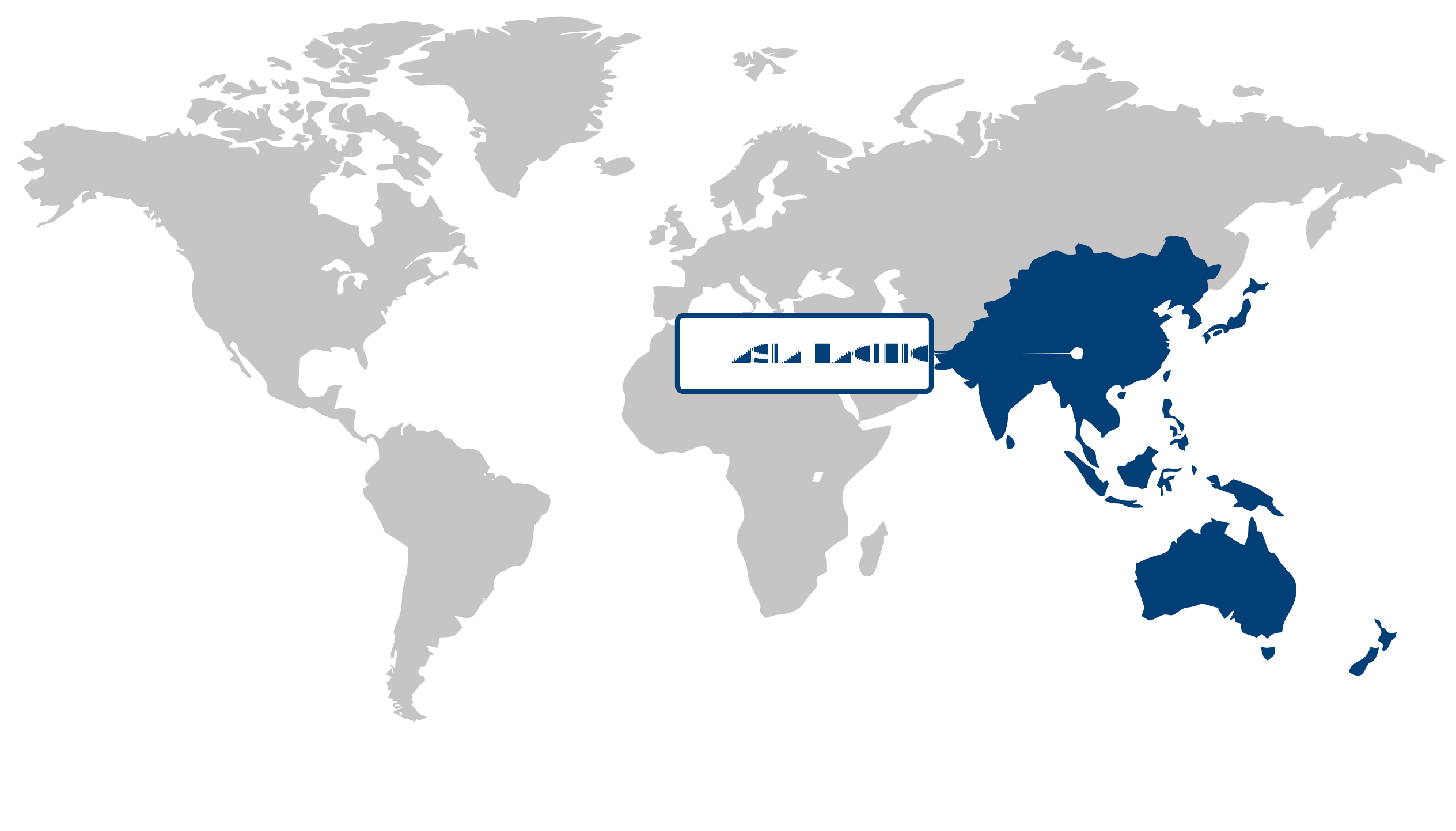
Largest Region
Asia Pacific
44.1% Market Share in 2026
Asia Pacific (Largest Region) vs Europe (Fastest-Growing Region)
In the hot drinks market, Asia Pacific held the largest share at 44.10% in 2026. The region benefits from deeply established tea and coffee consumption cultures, a broad consumer base, and strong demand across both traditional and modern beverage formats. Rising urbanization, expanding retail and foodservice networks, and growing consumer interest in premium, convenient, and diverse hot beverage options are supporting market development. The increasing availability of packaged beverages through organized retail and digital channels is also improving accessibility, while evolving consumer preferences are encouraging product innovation across tea, coffee, and other hot drink categories.
Europe represents the fastest-growing region, supported by sustained consumer interest in quality beverages, premium experiences, and product differentiation. Demand is being strengthened by the expansion of specialty coffee and tea offerings, greater emphasis on sustainable sourcing and responsible consumption, and the continued development of café and foodservice channels. Consumers are also showing increasing interest in convenient preparation formats and varied flavor profiles, encouraging suppliers to broaden their portfolios. These shifts, combined with an established beverage culture and sophisticated retail environment, are creating favorable conditions for continued regional expansion.
Key Country Insights
In the U.S., hot drinks consumption is shaped by expanding specialty coffee and functional tea segments. Consumers increasingly favor premium blends and convenience-oriented formats, driving product innovation across retail and foodservice channels.
Japan’s hot drinks demand is centered on green tea and functional beverage formulations linked to wellness trends. In Japan, manufacturers prioritize health-oriented blends and ready-to-drink hot beverage formats suited to urban consumption habits.
South Korea’s hot drinks market is shaped by rapid café culture growth and strong demand for specialty coffee beverages. Chains in South Korea focus on seasonal offerings and customized drink experiences to attract younger consumers.
Germany’s hot drinks market is influenced by strong preference for certified coffee and ethically sourced tea products. Retailers in Germany emphasize sustainable packaging and premium quality positioning across mainstream beverage offerings.
France demonstrates strong preference for artisan coffee and traditional café-style consumption patterns. The hot drinks market in France emphasizes quality sourcing, flavor authenticity, and premium café experiences in urban centers.
Italy’s hot drinks market is anchored in espresso-driven consumption habits with strong cultural integration in daily routines. Coffee offerings in Italy prioritize consistency, short-format servings, and established café distribution networks.
Segment Leadership and Growth Trends
Product Segment Analysis: Tea (Largest Segment) vs Coffee (Fastest-Growing Segment)
Tea segment dominated the hot drinks market, accounting for a 41.34% share in 2026, supported by its widespread consumption across households, hospitality settings, and social occasions. Its broad variety of formats, flavor profiles, and preparation styles allows tea to appeal to diverse consumer preferences and consumption habits. Growing interest in wellness-oriented beverages is also supporting demand for tea, particularly varieties associated with natural ingredients and functional benefits. Continued product innovation and premiumization are further contributing to the segment's strong position.
Coffee is expected to be the fastest-growing product segment as consumer preferences increasingly shift toward specialty beverages, premium formulations, and convenient preparation formats. Expanding café culture and rising interest in diverse coffee experiences are encouraging consumption across both out-of-home and at-home settings. The growing availability of instant, ready-to-drink, ground, and specialty coffee products is broadening consumer access and supporting more frequent consumption. Continued innovation in flavors, preparation methods, and premium offerings is further strengthening the growth prospects of coffee.
| Report Segmentation | |||
| Segment | Sub-Segment | Largest Segment | Fastest Growing Segment |
|---|---|---|---|
| Product | Coffee, Tea, Hot Chocolate, Others | Tea | Coffee |
 Read our Research Approach
Competitive Landscape and Market Positioning
Major players in the hot drinks market:
1. Starbucks Corporation (United States)
2. Tata Consumer Products Limited (India)
3. Keurig Dr Pepper Inc. (United States)
4. Costa Limited (United Kingdom)
5. Tazo Tea Company (United States)
6. Celestial Seasonings Inc. (United States)
7. Caffè Nero Group Ltd. (United Kingdom)
8. Ajinomoto AGF Inc. (Japan)
9. Associated British Foods plc (United Kingdom)
10. Nestlé S.A. (Switzerland)
Changing consumer preferences for premium and wellness-oriented beverages are driving innovation across the hot drinks market. Brands are introducing functional beverages, exotic flavor combinations, and low-sugar alternatives to appeal to health-conscious and experience-driven consumers. Increased emphasis on convenience formats and ethically sourced ingredients is also strengthening product differentiation within the sector.
Industry Development/News
| Company Name | Date | Key Development |
|---|---|---|
| Keurig Dr Pepper | Apr-26 | Keurig Dr Pepper completed an $18 billion acquisition of JDE Peet’s, consolidating major global coffee assets. The transaction integrates JDE Peet’s branded coffee portfolio with Keurig’s single-serve systems, aiming to enhance product innovation and expand distribution reach across retail and out-of-home hot beverage channels globally. |
| Nestlé | May-26 | Nestlé introduced new robusta coffee varieties engineered to improve crop yields and mitigate climate-related supply chain volatility. This initiative is part of a broader, long-term sourcing strategy focused on stabilizing ingredient availability and enhancing the sustainability of coffee production amidst rising input costs. |
| Spadel | Mar-25 | Spadel’s venture arm, The Source Ventures, acquired a stake in French chicory firm Cherico. The strategic investment facilitates diversification into alternative coffee substitutes and strengthens Spadel’s positioning within the broader hot drinks and functional beverage ingredients ecosystem. |
| Oxxo | Nov-24 | Oxxo expanded its Andatti coffee brand into Brazil, marking its entry into a fourth South American market. The strategic rollout utilizes locally sourced beans across an extensive retail network, significantly strengthening the company’s regional competitive footprint in convenience-store coffee services. |
| Asda | Jan-25 | Asda partnered with Podback to implement a nationwide coffee pod recycling program across more than 600 stores. By leveraging in-store parcel return systems, the initiative addresses critical sustainability challenges in the hot drinks packaging value chain and promotes circular economy practices. |
| Kirin | Oct-25 | Kirin launched a functional hot beverage featuring its proprietary Lactococcus lactis Plasma ingredient, specifically formulated for immunity support. The product addresses rising consumer demand for functional, health-oriented formulations within the Japanese hot drinks market, highlighting a trend toward value-added beverage innovation. |
| Costa Coffee | Nov-24 | Costa Coffee initiated trials of 24-hour drive-thru operations in the UK to capture demand from shift workers. The company plans to scale this model to 350 locations based on performance data, signaling a strategic effort to extend operational hours and increase accessibility within the out-of-home coffee sector. |
| Tim Hortons | Aug-24 | Tim Hortons expanded its presence in India with a new store in Ahmedabad, targeting a total network of 30-40 locations in the region. As the company identifies India as a high-growth market, this expansion serves to increase its footprint in the competitive global coffee service industry. |
Why Choose Us
Specialized Expertise: Our team comprises industry experts with a deep understanding of your market segment. We bring specialized knowledge and experience that ensures our research and consulting services are tailored to your unique needs.
Customized Solutions: We understand that every client is different. That's why we offer customized research and consulting solutions designed specifically to address your challenges and capitalize on opportunities within your industry.
Proven Results: With a track record of successful projects and satisfied clients, we have demonstrated our ability to deliver tangible results. Our case studies and testimonials speak to our effectiveness in helping clients achieve their goals.
Cutting-Edge Methodologies: We leverage the latest methodologies and technologies to gather insights and drive informed decision-making. Our innovative approach ensures that you stay ahead of the curve and gain a competitive edge in your market.
Client-Centric Approach: Your satisfaction is our top priority. We prioritize open communication, responsiveness, and transparency to ensure that we not only meet but exceed your expectations at every stage of the engagement.
Continuous Innovation: We are committed to continuous improvement and staying at the forefront of our industry. Through ongoing learning, professional development, and investment in new technologies, we ensure that our services are always evolving to meet your evolving needs.
Value for Money: Our competitive pricing and flexible engagement models ensure that you get maximum value for your investment. We are committed to delivering high-quality results that help you achieve a strong return on your investment.
Select Licence Type

