Instant Coffee Market Size & Growth Forecast 2027–2036, By Segments (Nature, Distribution Channel, Packaging), Regional Demand Trends (North America, Asia Pacific, Europe), Key Country Insights (U.S., Japan, South Korea, Germany, France, Italy), and Competitive Landscape
Jump to Content
Market Size and Growth Outlook
Instant Coffee Market size was assessed at USD 87.73 billion in 2026 and is poised to grow at a 5.72% CAGR between 2027 and 2036, attaining USD 153.01 billion by 2036. The industry revenue for 2027 is calculated at USD 91.99 billion.
Get more details on this report
Request Free Sample ReportInstant Coffee Market Intelligence Snapshot
Regional Market Dynamics
- Europe accounted for 52.67% of the market in 2026, supported by established coffee consumption habits, convenient beverage preferences, extensive retail availability, and growing demand for premium instant coffee products.
- Urbanization, rising disposable incomes, expanding retail networks, and growing coffee culture among younger consumers are accelerating demand for convenient, flavored, and premium instant coffee products across Asia Pacific.
Segment Momentum
- Conventional instant coffee accounted for 93.95% of the market in 2026, supported by affordability, familiar flavor, established distribution networks, and widespread availability across retail and foodservice channels.
- Organic instant coffee is expected to grow fastest as consumers increasingly prioritize natural products, sustainable sourcing, and ingredient transparency, while premiumization and wider availability through retail and online channels improve accessibility.
Market Expansion Drivers
- Growing global demand for instant coffee products.
- Innovations in coffee processing and flavor retention technologies.
- Expansion of instant coffee distribution and retail penetration in emerging markets.
Leading Market Participants
- Prominent companies in the instant coffee market include Nestlé (Switzerland), JDE Peet’s (Netherlands), Starbucks (USA), Tchibo (Germany), Lavazza (Italy), Strauss Group (Israel), Tata Consumer Products (India), UCC Ueshima Coffee (Japan), illycaffè (Italy), Massimo Zanetti Beverage Group (Italy).
Global Market Forecast Snapshot
Market Outlook
- 2026 Market Size: USD 87.73 billion
- 2027 Estimated Market Size: USD 91.99 billion
- Projected Market Size: USD 153.01 billion by 2036
- Growth Forecast: 5.72% CAGR (2027-2036)
Regional and Segment Outlook
- Leading Regional Market: Europe
- High-Growth Regional Hub: Asia Pacific
- Core Revenue Segment: Nature (Conventional) | Distribution Channel (B2C) | Packaging (Jars)
- Emerging Opportunity Segment: Nature (Organic) | Distribution Channel (B2C) | Packaging (Pouches)
Market Growth Drivers and Industry Trends
Growing global demand for instant coffee products
Rising consumer preference for convenient beverage options is supporting demand for instant coffee products across diverse markets. Instant coffee offers quick preparation, consistent taste, and convenient storage, making it well suited to increasingly busy lifestyles and changing consumption habits. Growing coffee consumption among younger consumers, increasing acceptance of convenient at-home beverages, and the availability of diverse product formats are further supporting market expansion.
Innovations in coffee processing and flavor retention technologies
Advancements in coffee processing, drying, extraction, and flavor preservation technologies are improving the quality and sensory characteristics of instant coffee. Producers are increasingly focusing on retaining the aroma, flavor, and freshness associated with freshly prepared coffee while maintaining the convenience of instant formats. These innovations are helping address consumer expectations for higher-quality coffee experiences and encouraging greater acceptance of premium and specialty instant coffee products.
Expansion of instant coffee distribution and retail penetration in emerging markets
Improving retail infrastructure and expanding distribution networks in emerging markets are increasing consumer access to instant coffee products. The growth of modern retail, convenience-oriented outlets, and digital commerce is making a broader range of coffee products available across urban and developing consumer markets. Increasing exposure to international coffee consumption trends and changing household preferences are further supporting the penetration of instant coffee into new customer segments.
| Growth Driver | Impact on CAGR | Regulatory Influence | Geographic Relevance | Adoption Rate | Impact Timeline |
|---|---|---|---|---|---|
| Growing global demand for instant coffee products | 2% | Short term (≤ 2 yrs) | North America; Europe; Spillover: Asia Pacific | Low | Fast |
| Innovations in coffee processing and flavor retention technologies | 1.5% | Medium term (2–5 yrs) | North America; Europe; Spillover: Asia Pacific | Low | Moderate |
| Expansion of instant coffee distribution and retail penetration in emerging markets | 1% | Long term (5+ yrs) | Asia Pacific; Latin America; Spillover: MEA | Medium | Moderate |
Explore Growth Opportunities
Request Free Sample ReportRegional Demand Dynamics
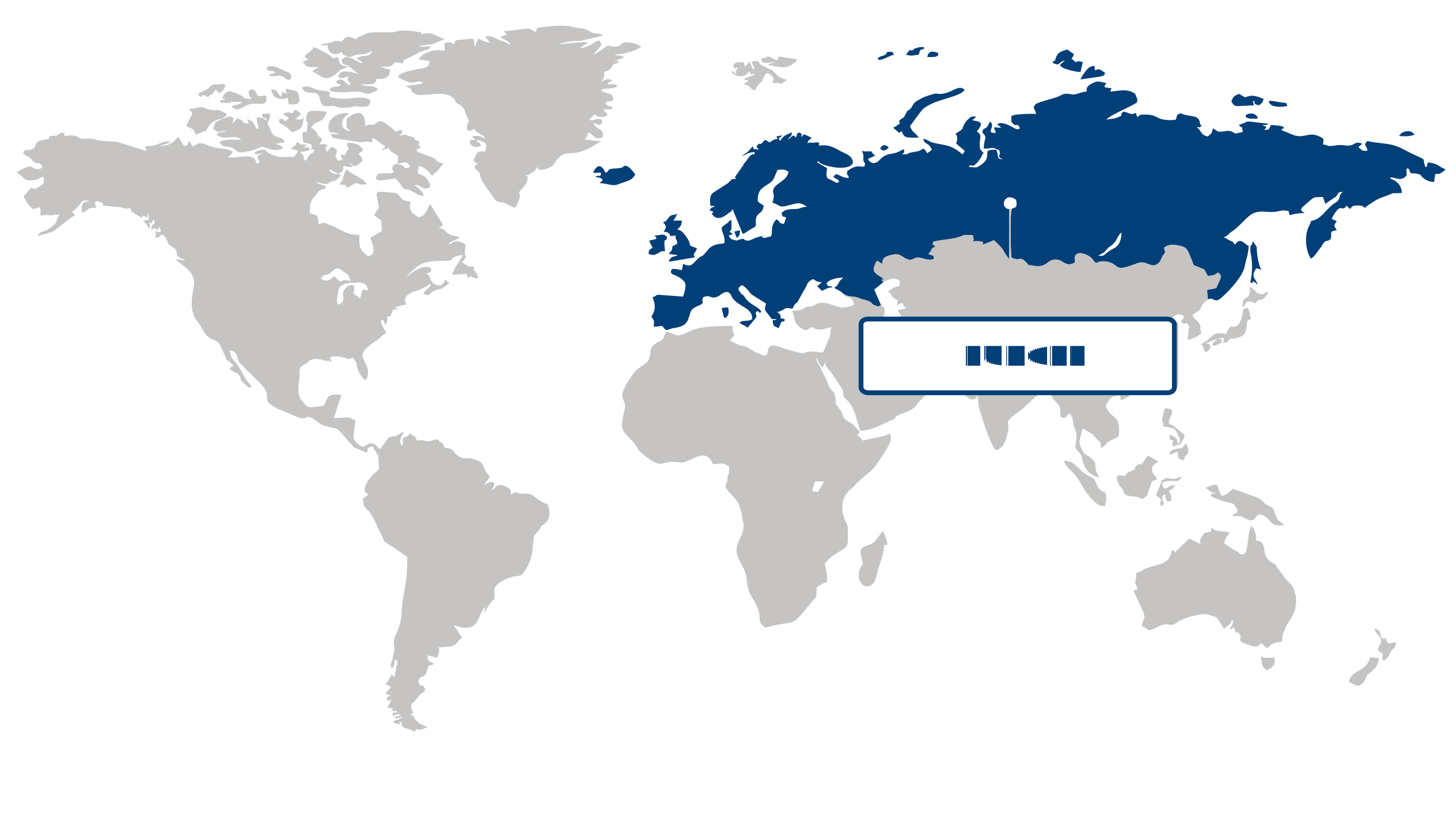
Europe (Largest Region)
The instant coffee market in Europe accounted for a 52.67% share in 2026, supported by established coffee consumption habits, strong demand for convenient beverage formats, and widespread availability of instant coffee across retail and foodservice channels. Consumers in the region increasingly value convenience and ease of preparation, supporting continued demand for products that can be prepared quickly at home, at work, or while traveling. The market also benefits from the broad availability of instant coffee through supermarkets, convenience stores, and online retail platforms. Growing interest in premium coffee experiences is encouraging product diversification, including higher-quality blends, specialty-oriented offerings, and products positioned around distinctive flavor profiles. In addition, changing lifestyles, busy work schedules, and demand for convenient beverage solutions are sustaining consumption, while innovation in packaging, formulation, and preparation formats is creating additional opportunities for market expansion.
Asia Pacific (Fastest-Growing Region)
The instant coffee market in Asia Pacific is experiencing rapid growth, driven by changing consumer lifestyles, urbanization, expanding middle-class populations, and increasing preference for convenient beverage options. Instant coffee is gaining wider acceptance as consumers seek quick preparation and accessible alternatives for daily consumption. The region is also witnessing growing interest in modern coffee culture, particularly among younger consumers, which is expanding awareness of different coffee formats and encouraging experimentation with instant coffee products. Rising disposable incomes and expanding retail networks are improving access to packaged coffee products across both urban and emerging markets. E-commerce and modern grocery channels are further supporting product availability, while innovation in flavors, ready-to-prepare formats, and premium instant coffee offerings is helping manufacturers address changing consumer preferences. The increasing integration of coffee consumption into workplace, home, and social routines is expected to continue supporting market development across the region.
| Parameter | North America | Asia Pacific | Europe | Latin America | MEA |
|---|---|---|---|---|---|
| Innovation HubiScaleNascentDeveloping Advanced | |||||
| Cost-Sensitive RegioniScaleLowMedium High | |||||
| Regulatory EnvironmentiScaleRestrictiveNeutral Supportive | |||||
| Demand DriversiScaleWeakModerate Strong | |||||
| Development StageiScaleEmergingDeveloping Developed | |||||
| Adoption RateiScaleLowMedium High | |||||
| New Entrants / StartupsiScaleSparseModerate Dense | |||||
| Macro IndicatorsiScaleWeakStable Strong |
Key Country Insights
United States 🇺🇸
Convenience-Driven PremiumizationIn the U.S., instant coffee demand is increasingly tied to convenience alongside expectations for better taste and product quality. Market priorities include premium soluble formats, specialty-style offerings, single-serve preparation, and differentiated flavor profiles that can attract consumers seeking speed without abandoning the sensory experience associated with brewed coffee.
Germany 🇩🇪
Quality-Conscious Soluble CoffeeGermany's instant coffee market emphasizes dependable quality, convenience, and product differentiation within established coffee consumption habits. Manufacturers can prioritize premium blends, smoother flavor profiles, and packaging formats suited to at-home consumption, while maintaining clear value propositions for consumers balancing everyday affordability with improved coffee quality.
Japan 🇯🇵
Format and Taste InnovationJapan's instant coffee market places strong emphasis on refined taste, convenience, and differentiated preparation formats. Commercial priorities include premium soluble products, portion-controlled formats, and innovations that replicate elements of café-style coffee, with packaging and presentation also playing an important role in communicating product quality.
South Korea 🇰🇷
Premium Convenience CultureSouth Korea combines strong convenience-oriented coffee consumption with demand for premium and distinctive experiences. Instant coffee suppliers should focus on sophisticated blends, convenient stick and single-serve formats, and flavor innovation that bridges everyday preparation with café-inspired positioning, particularly where portability and ease of use influence purchase decisions.
France 🇫🇷
Premium Coffee RepositioningFrance's instant coffee market faces a strong preference for coffee quality and preparation experience, making product positioning particularly important. Growth priorities center on premium soluble offerings, improved aroma and taste, and formats that provide convenience while narrowing the perceived quality gap between instant coffee and more traditional preparation methods.
Italy 🇮🇹
Convenience With Coffee AuthenticityItaly's coffee culture places a high premium on taste and preparation traditions, creating a distinct challenge for instant formats. Market priorities include higher-quality soluble blends, espresso-inspired profiles, and convenient portions that can deliver greater authenticity while appealing to consumers who value speed in selected consumption occasions.
Instant Coffee Market Share (%), by Nature, 2026
Go beyond the chart, access full insights & data tables
Request Free Sample ReportNature Segment Analysis: Conventional (Largest Segment) vs Organic (Fastest-Growing Segment)
The conventional segment accounted for a 93.95% share of the instant coffee market in 2026, supported by its broad consumer acceptance, established production and distribution infrastructure, and widespread availability across retail and foodservice channels. Conventional instant coffee benefits from familiarity among consumers who prioritize convenience, consistent flavor, affordability, and quick preparation. Its established position is also reinforced by extensive availability in supermarkets, convenience stores, grocery outlets, and other mass-market channels, making it accessible to a broad range of consumers. Continued demand for convenient beverages and the expanding consumption of coffee in households and workplaces are expected to sustain the prominence of conventional instant coffee.
The organic segment is projected to grow at the fastest pace, driven by increasing consumer interest in natural products, sustainable sourcing, and ingredient transparency. Consumers are becoming more attentive to the origin and production practices associated with their beverages, creating opportunities for organically produced instant coffee. Growing awareness of environmental considerations and responsible agricultural practices is also encouraging demand for products positioned around cleaner sourcing and sustainability. Premiumization in the coffee category further supports organic instant coffee as consumers seek differentiated products that align with health, quality, and environmental preferences. Broader availability of organic products through modern retail and online channels is expected to improve accessibility and support continued segment expansion.
Distribution Channel Segment Analysis: B2C (Largest & Fastest-Growing Segment)
The B2C distribution channel accounted for a 78.8% share of the instant coffee market in 2026 and is projected to grow at the fastest pace, reflecting the strong role of direct consumer-oriented retail in making instant coffee readily accessible to households and individual consumers. B2C channels encompass supermarkets, grocery stores, convenience outlets, specialty retailers, and online commerce platforms, providing consumers with multiple purchasing options based on convenience and shopping preferences. The widespread household consumption of instant coffee supports recurring purchases through these channels, while promotional activity, product variety, and convenient pack formats can further encourage consumer engagement. The expansion of e-commerce and digital retail is also making a broader range of instant coffee products accessible beyond traditional stores. As consumers increasingly prioritize convenience and flexible purchasing options, B2C distribution is expected to remain central to instant coffee sales.
Packaging Segment Analysis: Jars (Largest Segment) vs Pouches (Fastest-Growing Segment)
The jars segment accounted for a 51.62% share of the instant coffee market in 2026, supported by consumer familiarity, convenient storage, product protection, and suitability for repeated household use. Jars provide a practical format for preserving instant coffee between uses while allowing consumers to access the product easily and monitor remaining quantities. Their established presence across retail channels and strong association with household coffee consumption further supports their market position. Packaging characteristics such as resealability, durability, and ease of handling also contribute to consumer acceptance. As manufacturers continue to focus on packaging functionality and product preservation, jars are expected to maintain strong demand in the instant coffee market.
The pouches segment is projected to grow at the fastest pace, driven by increasing demand for lightweight, convenient, and potentially more resource-efficient packaging formats. Pouches can offer ease of transportation, compact storage, and flexible pack sizes, making them suitable for consumers seeking convenient purchasing and usage options. Their adaptability to different product quantities also creates opportunities for single-use, trial, refill, and household-oriented formats. Growing attention to packaging efficiency and material consumption is encouraging manufacturers to explore flexible packaging solutions that balance product protection with convenience. As consumer preferences continue shifting toward portable and practical packaging, pouches are expected to gain increasing traction in the instant coffee market.
| Segment | Sub-Segment | Largest Segment | Fastest Growing |
|---|---|---|---|
| Nature | Conventional, Organic | Conventional | Organic |
| Distribution Channel | B2C, B2B | B2C | B2C |
| Packaging | Sachets, Jars, Pouches | Jars | Pouches |
Unlock insights tailored to your business with our bespoke market research solutions.
Click to get your customized report now.
Competitive Landscape and Market Positioning
Analyst Perspective:
The instant coffee landscape is evolving as manufacturers balance baseline convenience with elevated sensory standards. While rapid solubility and uniform dissolution remain essential for high-throughput food-service and single-serve formats, brands are increasingly driving margin growth through premiumization strategies focused on specialty bean origins, refined extraction, and gourmet flavor profiles. Maintaining consistent cup identity despite raw material cost fluctuations requires sophisticated blending and roasting expertise tailored to specific consumer segments. Additionally, companies differentiate through functional packaging formats—ranging from protective single-serve sachets to bulk household jars—that safeguard aroma freshness against ambient moisture while addressing consumer preferences for portability and sustainability.
Key companies in the instant coffee market:
- Nestlé (Switzerland)
- JDE Peet’s (Netherlands)
- Starbucks (USA)
- Tchibo (Germany)
- Lavazza (Italy)
- Strauss Group (Israel)
- Tata Consumer Products (India)
- UCC Ueshima Coffee (Japan)
- illycaffè (Italy)
- Massimo Zanetti Beverage Group (Italy)
| Company | Market Share | Company Revenue | Revenue CAGR (%) | Product Portfolio | Geographic Presence | Innovation / R&D Focus | Strategic Developments |
|---|---|---|---|---|---|---|---|
| Nestlé (Switzerland) | |||||||
| JDE Peet’s (Netherlands) | |||||||
| Starbucks (USA) | |||||||
| Tchibo (Germany) | |||||||
| Lavazza (Italy) | |||||||
| Strauss Group (Israel) | |||||||
| Tata Consumer Products (India) | |||||||
| UCC Ueshima Coffee (Japan) | |||||||
| illycaffè (Italy) | |||||||
| Massimo Zanetti Beverage Group (Italy) |
Industry Development/News
| Company Name | Date | Key Development |
|---|---|---|
| Reformed | July 2026 | Reformed secured $22 million in an oversubscribed Series A funding round to advance its functional beverage portfolio. The investment supports the commercial development of nutritious instant coffee and matcha products within the growing health segment. |
| Nestlé | May 2026 | Nestlé committed an additional $88.7 million investment through 2028 into its Brazilian Nescafé operations, following a previous investment. This funding aims to accelerate instant coffee production capacity and expand B2B coffee machine sales across the region. |
| Keurig Dr Pepper | April 2026 | Keurig Dr Pepper completed an $18 billion acquisition of JDE Peet's, integrating prominent coffee brands into its portfolio. This major industry consolidation significantly scales the company's global presence and competitive positioning across multiple coffee categories. |
| Vintage Coffee and Beverages Limited | March 2026 | Vintage Coffee and Beverages Limited expanded production capacity at its Telangana manufacturing facility by 4,500 metric tons per annum. This operational enhancement strengthens the company's manufacturing footprint and enhances its competitive capabilities in the global market. |
| Food Empire Holdings | March 2026 | Food Empire Holdings initiated Central Asian market expansion through the construction of a dedicated coffee factory in Kazakhstan. The manufacturing investment establishes a strategic regional production base to support the company's broader commercial operations. |
| OFI | May 2025 | OFI inaugurated a new soluble coffee facility in Brazil capable of producing spray-dried, freeze-dried, and liquid formats. The development expands manufacturing capabilities across diverse processing technologies and strengthens operational presence in a key source market. |
| Nestlé | March 2025 | Nestlé and Lotte Group agreed to dissolve their South Korean joint venture following challenges in securing market share. This restructuring marks a strategic shift in the management of local operations across coffee and consumer goods segments. |
| Indus Coffee | August 2024 | Indus Coffee announced an $80 million capital investment to construct a new instant coffee manufacturing facility in Vietnam. The project represents a major capacity expansion strategy designed to strengthen the company's position in the global supply chain. |
| Louis Dreyfus Company | April 2024 | Louis Dreyfus Company agreed to acquire Brazilian instant coffee exporter Cacique to diversify revenue streams into value-added segments. The transaction incorporates two production facilities and an extensive international distribution network spanning over seventy markets. |
| CCL Products (India) | June 2023 | Continental Coffee acquired six established coffee brands from Food Brands Group to expand its global footprint. The transaction enhances international manufacturing reach and strengthens distribution channels for fast-moving consumer goods. |
Customize Your Report
Explore examples of how this report can be tailored to different research needs, including custom segments, additional topics or chapters, and related reports. Click a section of the wheel or its numbered marker to explore the available options.
Instant Coffee Market — Custom Segments
| Segment | Sub-Segment |
|---|---|
| Processing Method | Spray-Dried, Agglomerated, Freeze-Dried |
| Price Tier | Economy, Mid-Range, Premium |
| Consumption Occasion | At-Home Consumption, Workplace Consumption, Foodservice & Hospitality, On-the-Go Consumption |
Instant Coffee Market — Custom TOC
| Custom Chapter | Chapter Details |
|---|---|
| Consumer Occasion and Usage Landscape |
|
| Premiumization and Specialty Coffee Opportunities |
|
| Channel Transformation and Route-to-Market |
|
Need a different cut of the data?
Request Custom ResearchFrequently Asked Questions
What is the total addressable market for instant coffee?
How is the instant coffee industry projected to perform over the next decade?
How are convenience-oriented consumption habits reshaping demand in the instant coffee market?
How are flavor-preservation innovations and expanding retail networks creating growth opportunities for instant coffee?
Why does conventional instant coffee dominate the market?
What is driving growth in organic instant coffee?
Why does Europe lead the instant coffee market?
What is driving rapid growth in Asia Pacific's instant coffee market?
What are the key competitors in the instant coffee landscape?
Our Clients
"The report provided a thorough look at market trends, technological advancements, and the competitive landscape. The depth of insights was really valuable."
ITC Limited
"We would highly recommend Fundamental Business Insights & Consulting to anyone looking for reliable, detailed, and comprehensive market research in the Food industry."
Tyson Foods
"The clarity and presentation of the information were commendable. The report was delivered timely, which made the overall experience smooth and convenient."
Mondelēz International
Our Research Team & Methodology
Every Fundamental Business Insights report is built by a dedicated vertical research team, validated through a structured primary-and-secondary methodology, and reviewed for accuracy before it reaches you.
This report was prepared by the Food & Beverage Research Team at Fundamental Business Insights, a dedicated research group specializing in the global food, beverage, ingredients, and food processing industries. Our analysts continuously monitor evolving consumer preferences, product innovation, ingredient developments, food safety regulations, manufacturing technologies, supply chain dynamics, pricing trends, sustainability initiatives, and changing retail and foodservice landscapes to deliver timely and reliable market intelligence. The research is developed using a structured methodology that combines primary discussions with food manufacturers, ingredient suppliers, distributors, retailers, industry experts, and other key stakeholders, along with company annual reports, regulatory publications, government trade statistics, food safety authorities, industry associations, technical publications, and other authoritative secondary sources. Market estimates are validated through multiple research techniques, including top-down and bottom-up analysis, before undergoing an internal quality review to ensure accuracy, consistency, and methodological integrity prior to publication.
Delivery
Published
Available
Support
- Market Size & Forecast
- Market Segmentation
- Regional Analysis
- Growth Drivers & Challenges
- Market Dynamics
- Competitive Landscape
- Company Profiles
- Competitive Benchmarking
- Mergers & Acquisitions
- Market Share Analysis or Key Company Strategies
- Value Chain Analysis
- Porter's Five Forces
- PESTLE Analysis
- Pricing Trends
- Supply-Demand Analysis
- Technology Landscape
- Regulatory Landscape
- Investment & Funding Landscape
- Emerging Opportunities
- Future Market Outlook