Low Voltage Electric Boiler Market Size & Growth Forecast 2027–2036, By Segments (Capacity, Application), Regional Demand Trends (North America, Asia Pacific, Europe), Key Country Insights (U.S., Japan, South Korea, Germany, France, Italy), and Competitive Landscape
Jump to Content
Market Size and Growth Outlook
Low Voltage Electric Boiler Market size was valued at USD 9.02 Billion in 2026 and is anticipated to grow at 11.86% CAGR from 2027 to 2036, surpassing USD 27.67 Billion by 2036. The industry revenue for 2027 is estimated at USD 9.95 Billion.
Get more details on this report
Request Free Sample ReportLow Voltage Electric Boiler Market Intelligence Snapshot
Regional Market Dynamics
- North America benefits from established building infrastructure, rising demand for energy-efficient heating, electrification efforts, and increasing adoption of electric space-heating solutions.
- Rapid urban development, expanding construction, increasing electrification, and demand for reliable heating and hot water are supporting wider adoption across key applications.
Segment Momentum
- The up to 10 MMBtu/hr segment led the market in 2026, supported by demand for compact, energy-efficient boilers that offer installation flexibility and meet moderate heating requirements across multiple applications.
- The residential segment is expanding rapidly as homeowners increasingly adopt clean, low-maintenance electric heating systems that provide compact installation, quiet operation, and compatibility with modern home heating solutions.
Market Expansion Drivers
- Urbanization and population growth increasing demand for residential electric heating systems
- Healthcare infrastructure expansion driving adoption of reliable electric heating solutions
- Energy-efficient heating transition accelerating replacement of fossil-based boilers
Leading Market Participants
- Prominent companies in the low voltage electric boiler market include Viessmann Group (Germany), Bosch Thermotechnology GmbH (Germany), Lochinvar, LLC (USA), Fulton Boiler Works, Inc. (USA), Chromalox, Inc. (USA), Cleaver-Brooks, Inc. (USA), Babcock Wanson (France), Ferroli S.p.A. (Italy), Slant/Fin Corporation (USA), Danstoker A/S (Denmark)
Global Market Forecast Snapshot
Market Outlook
- 2026 Market Size: USD 9.02 Billion
- 2027 Estimated Market Size: USD 9.95 Billion
- Projected Market Size: USD 27.67 Billion by 2036
- Growth Forecast: 11.86% CAGR (2027-2036)
Regional and Segment Outlook
- Leading Regional Market: North America
- High-Growth Regional Hub: Asia Pacific
- Core Revenue Segment: ≤ 10 MMBtu/hr (Capacity) | Residential (Application)
- Emerging Opportunity Segment: ≤ 10 MMBtu/hr (Capacity) | Residential (Application)
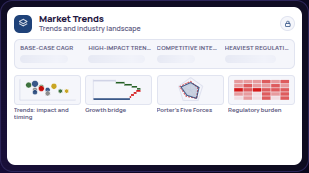
Market Growth Drivers and Industry Trends
Urbanization and population growth increasing demand for residential electric heating systems
Rapid urban development and expanding residential construction are creating sustained demand for modern heating technologies, which will drive the low voltage electric boiler market growth. As cities continue to accommodate growing populations, new housing developments increasingly require efficient and compact heating systems that integrate easily into residential infrastructure. Electric boilers provide dependable space and water heating while offering installation flexibility that aligns with the evolving requirements of modern urban housing projects.
Healthcare infrastructure expansion driving adoption of reliable electric heating solutions
The expansion of hospitals, clinics, and healthcare facilities is increasing the need for dependable heating systems that support continuous building operations, allowing the low voltage electric boiler market to benefit from rising healthcare infrastructure investments. Healthcare environments require consistent heating for patient comfort, sanitation processes, and facility management, making reliable electric boiler systems an attractive solution. Their ability to deliver stable performance with simplified operational control supports the stringent environmental and operational standards maintained in medical facilities.
Energy-efficient heating transition accelerating replacement of fossil-based boilers
The shift toward energy-efficient building technologies is encouraging property owners to replace conventional heating equipment with cleaner alternatives, which will boost the low voltage electric boiler market demand. Electric boiler systems are increasingly selected as part of broader building modernization initiatives focused on reducing dependence on fossil-fuel-based heating while improving overall energy performance. Their compatibility with modern energy management systems and low-maintenance operation makes them well suited for residential, commercial, and institutional applications seeking more efficient heating solutions.
| Growth Driver | Impact on CAGR | Regulatory Influence | Geographic Relevance | Adoption Rate | Impact Timeline |
|---|---|---|---|---|---|
| Urbanization and population growth increasing demand for residential electric heating systems | 2% | High | Asia Pacific, Europe | High | Near Term |
| Healthcare infrastructure expansion driving adoption of reliable electric heating solutions | 1.8% | High | North America, Europe | High | Mid Term |
| Energy-efficient heating transition accelerating replacement of fossil-based boilers | 1.6% | High | Europe, Asia Pacific | High | Mid Term |
Unlock insights tailored to your business with our bespoke market research solutions.
Click to get your customized report now.
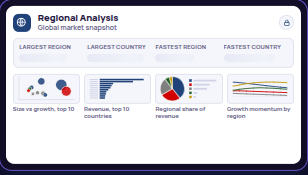
Regional Demand Dynamics

North America (Largest Region)
North America held the largest share of the low voltage electric boiler market in 2026, supported by growing demand for energy-efficient heating technologies and increasing interest in electrification across residential and commercial buildings. The region's established building infrastructure and emphasis on reducing dependence on conventional heating fuels are encouraging the adoption of electric boilers for space heating and hot water applications. Growing integration of cleaner electricity sources and increasing focus on efficient building energy management are also creating a favorable environment for low voltage electric heating solutions.
Asia Pacific (Fastest-Growing Region)
Asia Pacific is projected to be the fastest-growing region, supported by rapid urban development, expanding residential and commercial construction, and rising demand for reliable heating and hot water systems. Increasing electrification and efforts to improve building energy efficiency are encouraging the transition toward electric heating technologies in several markets. In addition, growing awareness of lower-emission heating alternatives and continued infrastructure development are expected to support wider adoption of low voltage electric boilers across residential, commercial, and selected industrial applications.
| Parameter | North America | Asia Pacific | Europe | Latin America | MEA |
|---|---|---|---|---|---|
| Innovation HubiScaleNascentDeveloping Advanced | |||||
| Cost-Sensitive RegioniScaleLowMedium High | |||||
| Regulatory EnvironmentiScaleRestrictiveNeutral Supportive | |||||
| Demand DriversiScaleWeakModerate Strong | |||||
| Development StageiScaleEmergingDeveloping Developed | |||||
| Adoption RateiScaleLowMedium High | |||||
| New Entrants / StartupsiScaleSparseModerate Dense | |||||
| Macro IndicatorsiScaleWeakStable Strong |
Key Country Insights
United States 🇺🇸
Commercial Heating UpgradesThe U.S. is adopting low voltage electric boilers for commercial buildings seeking efficient and lower-emission heating alternatives. Manufacturers are emphasizing compact systems, simplified installation, and compatibility with modern building energy management solutions.
Germany 🇩🇪
Energy Efficiency IntegrationGermany is incorporating low voltage electric boilers into building modernization projects focused on improving energy efficiency. Demand is supported by integration with renewable electricity sources and advanced heating control technologies.
Japan 🇯🇵
Compact Building HeatingJapan is favoring compact low voltage electric boilers suited to residential and small commercial buildings where installation space is limited. Suppliers are prioritizing quiet operation, efficient performance, and digital temperature management capabilities.
South Korea 🇰🇷
Smart Heating SystemsSouth Korea is combining low voltage electric boilers with intelligent building management platforms to improve heating efficiency. Manufacturers are introducing connected control features that enable energy optimization across residential and commercial facilities.
France 🇫🇷
Sustainable Retrofit SolutionsFrance is encouraging low voltage electric boiler adoption within building retrofit projects aimed at reducing reliance on conventional fossil-fuel heating. Market activity emphasizes efficient electric heating systems compatible with evolving energy performance requirements.
Italy 🇮🇹
Residential Modernization DemandItaly is experiencing growing interest in low voltage electric boilers for residential renovation and small commercial heating applications. Suppliers are focusing on easy installation, compact product designs, and efficient operation suited to existing building infrastructure.
Low Voltage Electric Boiler Market Share (%), by Capacity, 2026
Go beyond the chart, access full insights & data tables
Request Free Sample ReportCapacity Segment Analysis: ≤ 10 MMBtu/hr (Largest & Fastest-Growing Segment)
The up to 10 MMBtu/hr capacity segment dominated the low voltage electric boiler market and held the largest share in 2026, while also emerging as the fastest-growing segment. Its strong position is driven by widespread adoption in facilities requiring compact, energy-efficient heating systems with lower installation complexity and operational flexibility. These boilers are well suited for applications with moderate steam and hot water requirements, making them an attractive option for both new installations and replacement projects. Growing emphasis on electrification, reduced emissions, and efficient heating technologies is further strengthening demand for this capacity range across diverse end-use sectors.
Application Segment Analysis: Residential (Largest & Fastest-Growing Segment)
Holding the largest share of the low voltage electric boiler market, the residential application segment led the market in 2026 while also representing the fastest-growing segment. Rising adoption of electric heating systems in homes, increasing preference for clean and low-maintenance heating solutions, and growing investment in energy-efficient residential infrastructure continue to support the segment's expansion. The ability of electric boilers to provide quiet operation, compact installation, and compatibility with modern heating systems is encouraging homeowners to transition toward electric-based heating technologies.
| Segment | Sub-Segment | Largest Segment | Fastest Growing |
|---|---|---|---|
| Capacity | ≤ 10 MMBtu/hr, > 10 - 50 MMBtu/hr, > 50 - 100 MMBtu/hr, > 100 - 250 MMBtu/hr | ≤ 10 MMBtu/hr | ≤ 10 MMBtu/hr |
| Application | Residential, Commercial, Industrial | Residential | Residential |
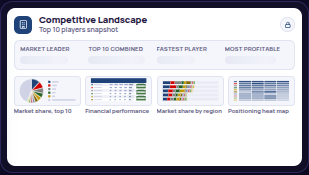
Competitive Landscape and Market Positioning
Leading companies in the low voltage electric boiler market:
- Viessmann Group (Germany)
- Bosch Thermotechnology GmbH (Germany)
- Lochinvar LLC (USA)
- Fulton Boiler Works, Inc. (USA)
- Chromalox, Inc. (USA)
- Cleaver-Brooks, Inc. (USA)
- Babcock Wanson (France)
- Ferroli S.p.A. (Italy)
- Slant/Fin Corporation (USA)
- Danstoker A/S (Denmark)
The transition toward electrified heating systems is redefining competitive priorities as manufacturers refine equipment to deliver higher energy efficiency, compact installation, and seamless integration with modern building energy management platforms. Rather than competing solely on heating performance, suppliers are differentiating through intelligent controls, flexible system configurations, and compatibility with renewable electricity sources and hybrid heating environments. Growing attention to emissions reduction and lifecycle operating efficiency is also encouraging investment in advanced thermal management technologies, creating stronger competitive advantages for providers capable of balancing performance with evolving sustainability expectations.
| Company | Market Share | Company Revenue | Revenue CAGR (%) | Product Portfolio | Geographic Presence | Innovation / R&D Focus | Strategic Developments |
|---|---|---|---|---|---|---|---|
| Viessmann Group (Germany) | |||||||
| Bosch Thermotechnology GmbH (Germany) | |||||||
| Lochinvar LLC (USA) | |||||||
| Fulton Boiler Works Inc. (USA) | |||||||
| Chromalox Inc. (USA) | |||||||
| Cleaver-Brooks Inc. (USA) | |||||||
| Babcock Wanson (France) | |||||||
| Ferroli S.p.A. (Italy) | |||||||
| Slant/Fin Corporation (USA) | |||||||
| Danstoker A/S (Denmark) |
Customize Your Report
Explore examples of how this report can be tailored to different research needs, including custom segments, additional topics or chapters, and related reports. Click a section of the wheel or its numbered marker to explore the available options.
Low Voltage Electric Boiler Market — Custom Segments
| Segment | Sub-Segment |
|---|---|
| Boiler Configuration | Electric Resistance, Electrode, Immersion, Electric Steam Boilers |
| Heat Source Integration | Standalone Electric, Heat Pump Integrated, Renewable Energy Integrated, Hybrid Heating Systems |
| Installation Type | New Installation, Replacement, Retrofit |
Low Voltage Electric Boiler Market — Custom TOC
| Custom Chapter | Chapter Details |
|---|---|
| Fuel-Switching Economics & Payback |
|
| Industrial Electrification Adoption Roadmap |
|
| Heat Decarbonization Pathways |
|
Need a different cut of the data?
Request Custom ResearchFrequently Asked Questions
How much is the low voltage electric boiler market worth?
How will the low voltage electric boiler industry grow in terms of size and CAGR by 2036?
What factors are accelerating the adoption of low voltage electric boilers across buildings?
How is the transition toward energy-efficient buildings shaping the low voltage electric boiler market?
Which capacity segment dominates the low voltage electric boiler market?
Why is the residential application segment growing the fastest?
Why is North America the leading market for low voltage electric boilers?
What is driving low voltage electric boiler growth in Asia Pacific?
What are the key competitors in the low voltage electric boiler landscape?
Our Clients
"The information presented in the report was genuinely insightful. The data was clear and easy to understand, which made it much easier to interpret the findings."
Amara Raja Group
"The responsiveness and professionalism exhibited by the team were exemplary. They were readily available to address queries, provide clarifications, and offer additional insights."
ONGC
"The reports offered a comprehensive analysis of various segments within the market. The detailed insights into market trends, and regulatory landscapes were excellent."
TotalEnergies
Our Research Team & Methodology
Every Fundamental Business Insights report is built by a dedicated vertical research team, validated through a structured primary-and-secondary methodology, and reviewed for accuracy before it reaches you.
Delivery
Published
Available
Support
- Market Size & Forecast
- Market Segmentation
- Regional Analysis
- Growth Drivers & Challenges
- Market Dynamics
- Competitive Landscape
- Company Profiles
- Competitive Benchmarking
- Mergers & Acquisitions
- Market Share Analysis or Key Company Strategies
- Value Chain Analysis
- Porter's Five Forces
- PESTLE Analysis
- Pricing Trends
- Supply-Demand Analysis
- Technology Landscape
- Regulatory Landscape
- Investment & Funding Landscape
- Emerging Opportunities
- Future Market Outlook