Marine Insurance Market Size & Forecasts 2026-2035, By Segments (Type, Insurance), Growth Opportunities, Innovation Landscape, Regulatory Shifts, Strategic Regional Insights (U.S., Japan, China, South Korea, UK, Germany, France), and Competitive Dynamics (Allianz, AXA XL, Tokio Marine, Sompo International, SCOR)
Jump to Content
Market Size and Growth Outlook
Marine Insurance Market size is forecasted to reach USD 44.04 billion by 2035, rising from USD 31.22 billion in 2025, at a CAGR of more than 3.5% between 2026 and 2035. In 2026, revenue is projected at USD 32.15 billion.
Get more details on this report
Request Free Sample ReportMarine Insurance Market Intelligence Snapshot
Regional Market Dynamics
Segment Momentum
Market Expansion Drivers
Leading Market Participants
Global Market Forecast Snapshot
Market Outlook
Regional and Segment Outlook
Market Growth Drivers and Industry Trends
The surge in global marine trade and shipping activity is a primary catalyst shaping the marine insurance market. As global freight volumes increase, driven by expanding e-commerce and intercontinental trade, vessels face greater exposure to risks such as piracy, adverse weather, and port delays. According to the International Chamber of Shipping, the global merchant fleet expanded significantly over recent years, underscoring heightened demand for risk coverage. This growth enables insurers to diversify portfolios and develop tailored products for a broader range of ship types and cargo profiles. For established insurers, scaling underwriting capacity and improving risk modeling are key strategic opportunities, while new entrants can capitalize on niche segments like eco-friendly shipping. This trend underlines a market evolution where marine insurance providers must align coverage offerings closely with dynamic shipping routes and evolving trade corridors.
Regulatory Reforms in Marine Insurance
Recent regulatory reforms targeting transparency and solvency requirements are profoundly influencing the marine insurance market. Regulatory bodies such as the International Association of Marine Insurance (IAMI) have implemented stricter capital adequacy norms and standardized reporting frameworks, improving accountability and risk management across the sector. These reforms respond to increased scrutiny from international financial regulators seeking to mitigate systemic risks in maritime financing. For incumbents, compliance drives investments in advanced data analytics and governance systems, enhancing client trust and operational resilience. Conversely, new entrants benefit from clearer regulatory pathways facilitating market entry and innovation. The presence of more robust frameworks encourages prudent underwriting and supports long-term sustainability in the marine insurance market’s evolving regulatory landscape.
Adoption of Digital Insurance Platforms
The rise of digital insurance platforms is revolutionizing the marine insurance market by streamlining policy issuance, claims management, and risk assessment processes. Leading players like Allianz Global Corporate & Specialty have integrated advanced IoT and blockchain technologies to optimize underwriting accuracy and fraud detection, reflecting a shift toward data-driven decision-making. Digital platforms also cater to increasing client demands for transparency and efficiency, transforming customer engagement and fostering agility in product customization. For incumbent insurers, digital transformation presents an opportunity to reduce operational costs and enhance service delivery. Meanwhile, startups focusing on insurtech solutions can disrupt traditional models by offering faster onboarding and personalized coverage options. This ongoing digital evolution signals a future where marine insurance operations will be increasingly automated and client-centric.
Industry Restraints:
Complex Regulatory Frameworks and Compliance Costs
Navigating the intricate and often divergent regulatory frameworks across maritime jurisdictions significantly constrains the marine insurance market’s scalability and innovation. The variation in national laws, such as the U.K.’s Marine Insurance Act 1906 and the U.S. Jones Act, imposes operational inefficiencies, increasing compliance costs for insurers and brokers alike. Lloyd’s of London has noted escalating administrative burdens as insurers must tailor policies to diverse regulatory environments, limiting the standardization and digitalization of products. This complexity deters smaller insurers and restricts market entrants’ agility, reinforcing dominance by large incumbents with extensive legal expertise. Moving forward, unless there is progress in harmonizing regulations or regulatory technology adoption, these compliance challenges will continue to hinder market responsiveness and widen entry barriers.
Rising Environmental Risks and Sustainability Pressures
The escalation of climate-related incidents, including extreme weather events and rising sea levels, imposes profound uncertainties on risk modeling within marine insurance. The International Union for Conservation of Nature (IUCN) highlights increased vessel damage and cargo loss linked to climate change, complicating underwriting accuracy and elevating claims frequency. Meanwhile, pressure from global initiatives like the IMO’s 2030 greenhouse gas reduction targets forces insurers to recalibrate coverage policies for environmentally sustainable shipping practices. These dynamics create tension between risk exposure and market demand, constraining product innovation and prompting premium hikes. Insurers must balance sustainability imperatives with profitability, a challenge likely to intensify as environmental regulations tighten and climate volatility grows in the medium term.
| Growth Driver | Impact on CAGR | Regulatory Influence | Geographic Relevance | Adoption Rate | Impact Timeline |
|---|---|---|---|---|---|
| Increasing Marine Trade & Shipping Activity | 1.50% | Short term (≤ 2 yrs) | North America, Europe; Spillover: Asia Pacific | Medium | Moderate |
| Regulatory Reforms in Marine Insurance | 1.00% | Medium term (2–5 yrs) | Europe, North America; Spillover: Asia Pacific | High | Slow |
| Adoption of Digital Insurance Platforms | 1.00% | Long term (5+ yrs) | North America, Europe; Spillover: Asia Pacific | Medium | Moderate |
Explore Growth Opportunities
Request Free Sample ReportRegional Demand Dynamics
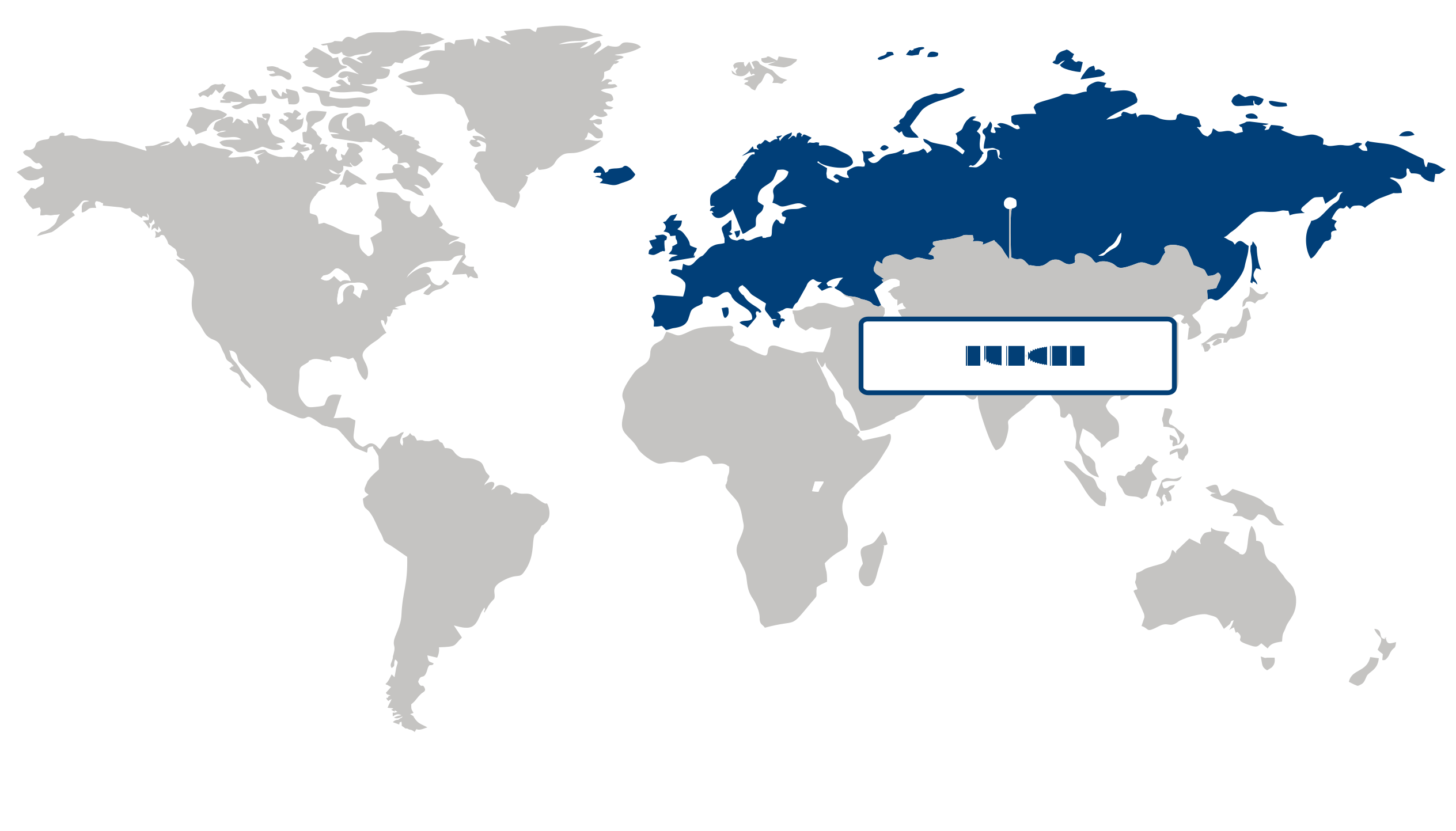
Europe dominated the marine insurance market in 2025, representing more than 41% of the global share. This leadership is anchored by its robust maritime trade ecosystem and the strong presence of major marine insurers, such as Allianz and AXA, which enhance risk management capabilities across shipping and logistics sectors. The region benefits from advanced digital platforms implemented by insurers, streamlining claims and underwriting processes in line with evolving client expectations. Additionally, stringent EU maritime regulations and sustainability mandates encourage insurers to integrate environmental risk assessments, reinforcing market resilience. The European maritime sector's economic stability further drives consistent demand for tailored marine insurance products. According to the European Maritime Safety Agency, increased trade volumes through key ports like Rotterdam and Hamburg underscore this dynamic. These factors collectively position Europe to maintain its dominance, offering significant opportunities for innovation and expansion in the marine insurance market.
Germany anchors the European marine insurance market with its strategic location and powerful shipping industry, notably supported by the Port of Hamburg, one of Europe’s busiest. German insurers, including Munich Re and HDI Global, leverage comprehensive risk analytics and digital tools to meet rising demands from both cargo operators and shipowners. The government's investment in green shipping initiatives also accelerates product diversification, aligning insurance offerings with sustainability trends highlighted by the German Federal Ministry of Transport and Digital Infrastructure. This creates competitive advantages within the European market and reinforces Germany’s role as a critical hub for innovation in marine insurance solutions.
France plays a pivotal role in the marine insurance market in Europe, driven by its influential merchant fleet and Mediterranean port infrastructure. French insurers like SCOR and Groupama have adopted innovative underwriting strategies tailored to complex risks associated with expanding Mediterranean trade routes and offshore energy installations. The French government’s regulatory support, as evidenced by policies promoted by the Ministry of Ecological Transition, encourages the sector’s adaptation to climate-related risks, fostering stronger resilience. Through these country-specific dynamics, France strengthens Europe’s overall capacity to address diverse maritime risks, thereby sustaining the region’s leadership in the global marine insurance market.
Asia Pacific Market Analysis:
Asia Pacific emerged as the fastest-growing region in the marine insurance market, registering a robust CAGR of 4.3%. This rapid growth is primarily fueled by increasing seaborne trade volumes and extensive port infrastructure expansions across the region. Countries within APAC are enhancing their maritime capacities to accommodate rising cargo throughput, driven by shifts in global trade routes and escalating demand for raw materials and finished goods. For instance, the World Bank reported significant port developments in Southeast Asia that bolster supply chain efficiencies, attracting higher insurance uptake for cargo and hull coverage. Additionally, regulatory frameworks in key economies are evolving to support maritime safety and liability standards, encouraging investments in comprehensive marine insurance. Technological adoption, including digital platforms for risk assessment and claims processing, further strengthens market resilience. Looking ahead, APAC’s strategic focus on maritime logistics modernization and growing merchant fleets positions it as a critical hub for marine insurance expansion amid global trade normalization.
Japan plays a vital role in APAC’s marine insurance market due to its status as a leading maritime nation with advanced shipping companies and robust port operations. The country’s focus on safety regulations and risk management aligns with rising demand for tailored marine insurance products. According to the Nippon Keidanren (Japan Business Federation), Japanese shipping firms are intensifying their engagement in risk mitigation via insurance partnerships, reflecting a growing preference for comprehensive coverage amid increasing trans-Pacific trade volumes. Japan’s technological prowess also accelerates digital innovations in underwriting and claims handling, enhancing market competitiveness. These factors reinforce Japan’s significance in shaping regional marine insurance dynamics, contributing to Asia Pacific’s overall growth narrative.
China, as a dominant player in APAC’s seaborne trade, anchors the region’s marine insurance market expansion through its massive port infrastructure projects and burgeoning export-import activities. The Ministry of Transport of the People’s Republic of China highlights expansions of major ports like Shanghai and Ningbo, accommodating an unprecedented surge in cargo throughput that necessitates expanded marine insurance coverage. Chinese insurers are increasingly collaborating with shipping conglomerates to develop risk solutions tailored to complex supply chain challenges and environmental risks. The burgeoning middle-class consumption and industrial export growth further stimulate marine insurance demand, underpinning China’s pivotal contribution to APAC’s market trajectory. This country-level momentum amplifies regional opportunities for insurers seeking to capitalize on evolving logistics networks and trade intensification.
North America Market Trends:
North America maintained a notable presence in the marine insurance market, driven by the region’s strategic coastal infrastructure and extensive maritime trade networks. The steady expansion of port activities, combined with evolving regulatory frameworks from agencies like the U.S. Coast Guard and the National Oceanic and Atmospheric Administration (NOAA), has shaped market demand. Increased investments in digital risk assessment tools by leading insurers such as The Hartford reflect a shift toward operational efficiency and enhanced underwriting precision. Furthermore, North American insurers are progressively integrating climate resilience measures in response to rising weather-related risks, as highlighted by the U.S. National Oceanic and Atmospheric Administration’s annual reports. These dynamics foster a moderate yet stable growth trajectory, positioning the region to capitalize on advancements in marine technology and the increasing complexity of global supply chains, lending sustained opportunities in the marine insurance market.
The U.S. plays a pivotal role within North America’s marine insurance market, largely influenced by its dominant maritime commerce and regulatory rigor. The country’s regulatory landscape, governed by the U.S. Federal Maritime Commission and reinforced by stringent insurance compliance standards, encourages innovation among insurers like American International Group (AIG). In addition, U.S. ports’ ongoing modernization programs, such as those reported by the Port Authority of New York & New Jersey, drive demand for specialized marine insurance products. Consumer preference shifts toward coverage that addresses cybersecurity and environmental liabilities are also reflected in announcements from the Insurance Information Institute. These factors underline the U.S.’s role as a vital market where regulatory and technological developments converge, fueling regional opportunities for insurers to diversify and tailor marine risk solutions.
| Parameter | North America | Asia Pacific | Europe | Latin America | MEA |
|---|---|---|---|---|---|
| Innovation HubiScaleNascentDeveloping Advanced | |||||
| Cost-Sensitive RegioniScaleLowMedium High | |||||
| Regulatory EnvironmentiScaleRestrictiveNeutral Supportive | |||||
| Demand DriversiScaleWeakModerate Strong | |||||
| Development StageiScaleEmergingDeveloping Developed | |||||
| Adoption RateiScaleLowMedium High | |||||
| New Entrants / StartupsiScaleSparseModerate Dense | |||||
| Macro IndicatorsiScaleWeakStable Strong |
Marine Insurance Market Share (%), by Type, 2026
Go beyond the chart, access full insights & data tables
Request Free Sample ReportThe transport/cargo segment held the largest share of the marine insurance market in 2025, driven primarily by the expansion of global trade fueling heightened demand for cargo insurance coverage. Its leadership reflects intensified commercial shipping activities and diverse cargo movements, mandating comprehensive risk mitigation solutions. The segment's growth is supported by evolving supply chain complexities, increased regulatory scrutiny on cargo safety, and the preference of businesses for tailored policies to protect high-value shipments. For example, the International Chamber of Shipping highlights that over 80% of world trade by volume is carried by sea, reinforcing cargo insurance’s pivotal role. This segment offers strategic opportunities for insurers to innovate around digital tracking and claims processing, catering to both global shippers and emerging maritime trade corridors. With steady growth in international commerce and continuous advancements in logistics technologies, transport/cargo insurance is poised to remain a cornerstone segment of the marine insurance market.
Analysis by Insurance
The loss/damage segment represented the largest share of the marine insurance market in 2025, underpinned by the critical need for financial protection against damage to goods during international shipments. This segment leads as businesses prioritize safeguarding their investments from perils such as handling mishaps, transit accidents, and operational failures. Its dominance is reinforced by tighter regulatory frameworks on cargo integrity and growing adoption of digital risk assessment tools, enabling efficient claim resolutions. Notably, industry bodies like the Global Shippers Forum emphasize increasing claims related to physical damage in international logistics, amplifying demand for loss/damage coverage. Both established insurers and new market entrants benefit from offering flexible and cost-effective cover solutions tailored to complex supply chains. As global trade volumes continue to rise alongside technological enhancements in container security, loss/damage insurance will sustain its relevance as a vital protective mechanism within the marine insurance market.
| Segment | Sub-Segment | Largest Segment | Fastest Growing |
|---|---|---|---|
| Type | Transport/Cargo, Hull, Offshore/Energy, Marine Liability | ||
| Insurance | Loss/Damage, Fire/Explosion, Natural Calamity, Others |
Unlock insights tailored to your business with our bespoke market research solutions.
Click to get your customized report now.
Competitive Landscape and Market Positioning
The competitive environment is marked by active integration of advanced risk modeling and digital platforms, where these leading firms pursue multifaceted initiatives to fortify their market standing. Collaborations leveraging data analytics and emerging technologies drive enhanced underwriting accuracy and claims processing efficiencies. Formation of specialized units alongside targeted acquisitions supports expansion into emerging sub-segments such as offshore energy and autonomous shipping. Strategic alliances facilitate access to new markets while tailored product innovations bolster client retention and responsiveness to evolving regulatory frameworks, reinforcing their competitive differentiation.
Strategic / Actionable Recommendations for Regional Players
In North America, aligning with technology providers and maritime logistics firms can unlock new value chains, especially by embedding predictive analytics to refine risk assessments and optimize premium structures. Deepening expertise in niche areas like UAV maritime segment coverage may also enhance differentiation.
For Asia Pacific, leveraging partnerships with regional shipping conglomerates and port authorities will provide crucial insights to tailor solutions responsive to local trade dynamics. Investment in blockchain-based documentation and claims solutions can improve transparency and speed service delivery in this growing market hub.
European players should capitalize on synergies with established energy sector insurers to address offshore wind and green shipping risks. Emphasizing collaboration with regulatory bodies can inform innovative, compliant product designs, positioning them to meet stringent environmental and safety standards effectively.
| Company | Market Share | Company Revenue | Revenue CAGR (%) | Product Portfolio | Geographic Presence | Innovation / R&D Focus | Strategic Developments |
|---|---|---|---|---|---|---|---|
| No companies available. | |||||||
Customize Your Report
Explore examples of how this report can be tailored to different research needs, including custom segments, additional topics or chapters, and related reports. Click a section of the wheel or its numbered marker to explore the available options.
Marine Insurance Market — Custom Segments
| Segment | Sub-Segment |
|---|---|
| No segment data available. | |
Marine Insurance Market — Custom TOC
| Custom Chapter | Chapter Details |
|---|---|
| No custom TOC data available. | |
Need a different cut of the data?
Request Custom ResearchFrequently Asked Questions
How is the marine insurance industry size expected to evolve during the forecast period?
Which geographic area exhibits the highest level of marine insurance market penetration?
Which region shows the most rapid acceleration in the marine insurance sector?
When did Transport/Cargo sub-segment emerge as the largest sub-segment in the type segment of marine insurance sector?
Why is the Loss/Damage segment leading in the marine insurance industry?
Which companies are driving growth in the marine insurance landscape?
Our Clients
"The report provided us with a clear direction, and the level of detail was beyond what we expected. I would definitely recommend their services to others."
Haier Appliances
"The collaboration with Fundamental Business Insights has added significant value to our decision-making process, and we look forward to continuing this partnership for our future market research requirements."
Luxottica Group S.p.A.
"The team at FBI delivered an exceptional research report. The insights on industry innovations were particularly impressive and added a lot of value to the overall report."
Nike
Our Research Team & Methodology
Every Fundamental Business Insights report is built by a dedicated vertical research team, validated through a structured primary-and-secondary methodology, and reviewed for accuracy before it reaches you.
This report was prepared by the Consumer Goods & Services Research Team at Fundamental Business Insights, a dedicated research group specializing in global consumer markets, retail industries, and service-oriented businesses. The team closely tracks evolving consumer preferences, purchasing behavior, product innovation, brand strategies, retail and e-commerce developments, pricing trends, distribution channels, sustainability initiatives, demographic shifts, and changing lifestyle patterns to deliver timely and reliable market intelligence. The research is developed using a structured methodology that combines primary discussions with manufacturers, brand owners, retailers, distributors, service providers, industry experts, and other key stakeholders, along with company annual reports, government consumer statistics, regulatory publications, industry associations, retail market data, trade publications, and other authoritative secondary sources. Market estimates are validated through multiple research techniques, including top-down and bottom-up analysis, before undergoing an internal quality review to ensure accuracy, consistency, and methodological integrity prior to publication.
Delivery
Published
Available
Support
- Market Size & Forecast
- Market Segmentation
- Regional Analysis
- Growth Drivers & Challenges
- Market Dynamics
- Competitive Landscape
- Company Profiles
- Competitive Benchmarking
- Mergers & Acquisitions
- Market Share Analysis or Key Company Strategies
- Value Chain Analysis
- Porter's Five Forces
- PESTLE Analysis
- Pricing Trends
- Supply-Demand Analysis
- Technology Landscape
- Regulatory Landscape
- Investment & Funding Landscape
- Emerging Opportunities
- Future Market Outlook