Plant-based Yogurt Market Size & Growth Forecast 2027–2036, By Segments (Flavor, Distribution Channel, Source), Regional Demand Trends (North America, Asia Pacific, Europe), Key Country Insights (U.S., Japan, South Korea, Germany, France, Italy), and Competitive Landscape
Market Size and Growth Outlook
Plant-based Yogurt Market size was around USD 4.36 billion in 2026 and is slated to grow at a 13.4% CAGR from 2027 to 2036, crossing USD 15.33 billion by 2036. The industry revenue for 2027 is estimated at USD 4.85 billion.
Get more details on this report
Request Free Sample ReportPlant-based Yogurt Market Intelligence Snapshot
Regional Market Dynamics
- Europe leads due to mature dairy-alternative market, strong retail distribution, and widespread vegan and flexitarian adoption supported by frequent product innovation and private-label availability.
- Asia Pacific is expanding at 15.34% CAGR driven by urban demand for plant-based foods, improved retail access, localized product innovation, and growing younger consumer acceptance.
Segment Momentum
- Flavored Yogurt captured a 72.29% share in 2026, supported by strong consumer preference for ready-to-eat products with familiar flavors that encourage repeat purchases and wider retail adoption.
- B2B is growing fastest as foodservice, hospitality, and institutional buyers increasingly incorporate plant-based yogurt into menus and prepared foods, creating new opportunities beyond retail sales.
Market Expansion Drivers
- Rising lactose intolerance and dairy allergies driving dairy-free yogurt substitution demand.
- Growing vegan and flexitarian populations boosting plant-based dairy replacement consumption globally.
- Mainstream retail expansion and private label penetration increasing plant-based yogurt accessibility.
Leading Market Participants
- Prominent players in the plant-based yogurt market include Danone S.A. (France), General Mills, Inc. (United States), Chobani, LLC (United States), The Hain Celestial Group, Inc. (United States), Kite Hill (United States), Daiya Foods Inc. (Canada), Good Karma Foods, Inc. (United States), Nancy's Probiotic Foods (United States), Oatly Group AB (Sweden).
Global Market Forecast Snapshot
Market Outlook
- 2026 Market Size: USD 4.36 billion
- 2027 Estimated Market Size: USD 4.85 billion.
- Projected Market Size: USD 15.33 billion by 2036
- Growth Forecast: 13.4% CAGR (2027-2036)
Regional and Segment Outlook
- Leading Regional Market: Europe
- High-Growth Regional Hub: Asia Pacific
- Core Revenue Segment: Flavored Yogurt (Flavor) | B2C (Distribution Channel) | Almond (Source)
- Emerging Opportunity Segment: Non-Flavored Yogurt (Flavor) | B2B (Distribution Channel) | Oat (Source)
Market Growth Drivers and Industry Trends
Rising lactose intolerance and dairy allergies driving dairy-free yogurt substitution demand
Consumers who experience lactose intolerance or dairy-related allergies are increasingly seeking alternatives that provide familiar food formats without relying on conventional dairy ingredients. Rising lactose intolerance and dairy allergies will drive the plant-based yogurt market as dairy-free yogurt provides consumers with a convenient substitute for traditional yogurt while supporting changing dietary requirements. Improvements in texture, flavor, nutritional formulation, and product variety are also helping dairy-free options appeal beyond consumers with specific dietary restrictions, increasing their relevance across everyday breakfast, snack, and meal occasions.
Growing vegan and flexitarian populations boosting plant-based dairy replacement consumption globally
Changing dietary preferences are encouraging consumers to reduce or eliminate animal-derived foods while maintaining familiar eating habits and convenient nutrition choices. The plant-based yogurt market is benefiting from growing vegan and flexitarian populations as these consumers increasingly incorporate dairy alternatives into regular diets. Flexitarian consumers in particular provide a broader demand base because they may alternate between conventional and plant-based foods depending on health, environmental, or lifestyle considerations, while expanding varieties made from different plant sources provide greater choice in taste, texture, and nutritional profiles.
Mainstream retail expansion and private label penetration increasing plant-based yogurt accessibility
Wider distribution through supermarkets, grocery chains, convenience outlets, and other mainstream retail channels is making plant-based yogurt easier for consumers to discover and purchase alongside conventional dairy products. Mainstream retail expansion will boost the plant-based yogurt market by improving product visibility and reducing reliance on specialized health-food channels. Increasing private label penetration can further broaden accessibility by providing retailers with competitively positioned alternatives across different price points, while expanded shelf presence encourages consumers to compare plant-based yogurt directly with established dairy options.
| Growth Driver | Impact on CAGR | Regulatory Influence | Geographic Relevance | Adoption Rate | Impact Timeline |
|---|---|---|---|---|---|
| Rising lactose intolerance and dairy allergies driving dairy-free yogurt substitution demand | 2.30% | Moderate | North America, Europe | High | Near Term |
| Growing vegan and flexitarian populations boosting plant-based dairy replacement consumption globally | 2.00% | Moderate | Europe, North America | High | Mid Term |
| Mainstream retail expansion and private label penetration increasing plant-based yogurt accessibility | 1.60% | Low | Asia Pacific | Medium | Near Term |
Unlock insights tailored to your business with our bespoke market research solutions.
Click to get your customized report now.
Regional Demand Dynamics
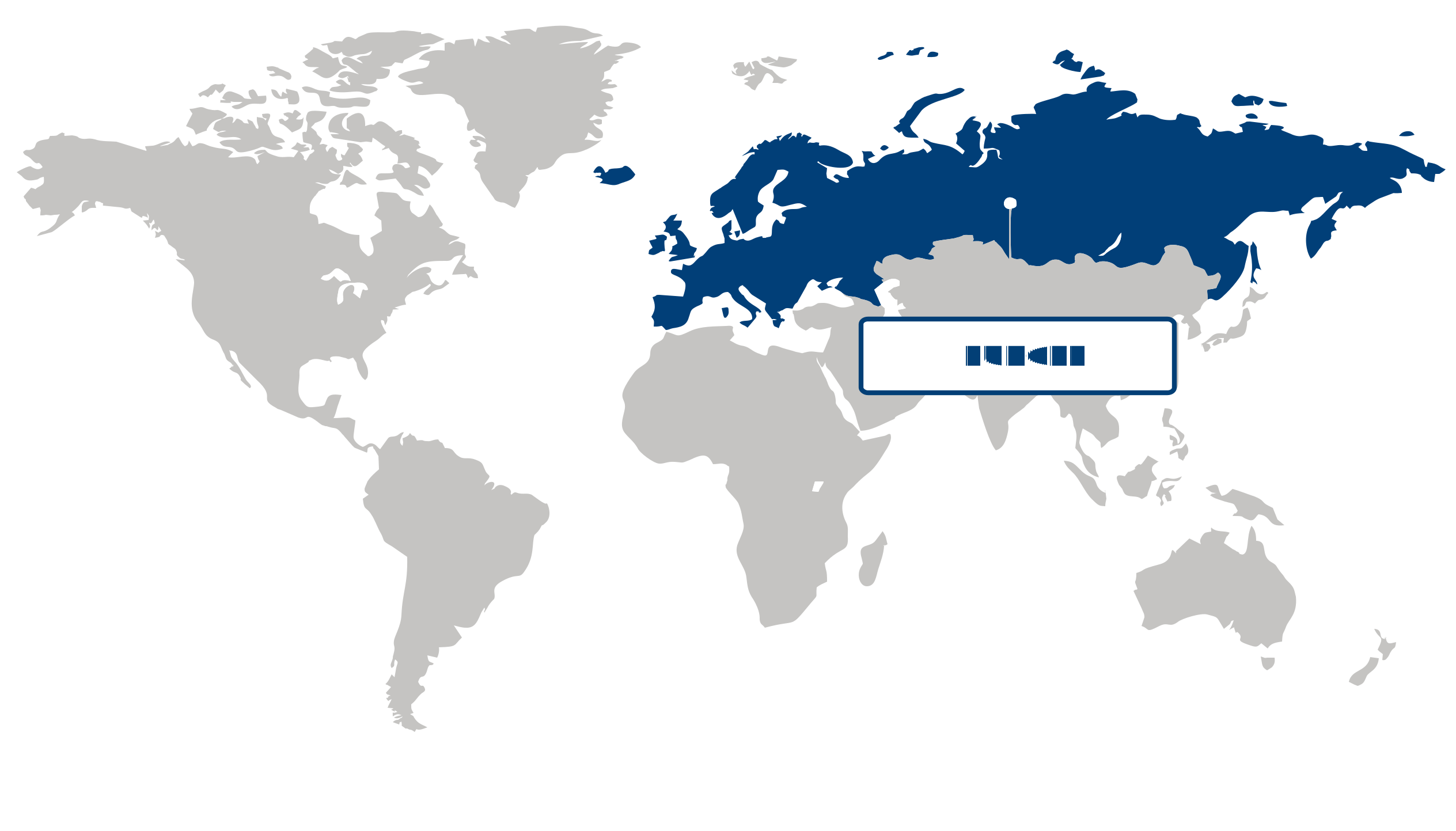
Europe (Largest Region)
Europe dominated the plant-based yogurt market in 2026, supported by strong consumer awareness of plant-based nutrition, established demand for dairy alternatives, and growing interest in sustainable food choices. Consumers across the region are increasingly seeking products that align with preferences for healthier diets, reduced animal-product consumption, and environmentally conscious lifestyles. A mature plant-based food ecosystem, broad retail availability, and continued product innovation across alternative dairy categories are reinforcing market development. Growing attention to nutritional quality, ingredient transparency, and diverse flavor and formulation options is also encouraging wider consumer adoption.
Asia Pacific (Fastest-Growing Region)
Asia Pacific is the fastest-growing region, driven by changing dietary preferences, expanding urban populations, and increasing awareness of plant-based food products. Growing interest in health and wellness, together with the region's established consumption of fermented foods and dairy-based alternatives, is creating opportunities for plant-based yogurt. Expanding modern retail and e-commerce channels are improving product accessibility, while evolving consumer preferences are supporting broader acceptance of dairy-free options.
| Parameter | North America | Asia Pacific | Europe | Latin America | MEA |
|---|---|---|---|---|---|
| Innovation Hub i Scale Nascent Developing Advanced | |||||
| Cost-Sensitive Region i Scale Low Medium High | |||||
| Regulatory Environment i Scale Restrictive Neutral Supportive | |||||
| Demand Drivers i Scale Weak Moderate Strong | |||||
| Development Stage i Scale Emerging Developing Developed | |||||
| Adoption Rate i Scale Low Medium High | |||||
| New Entrants / Startups i Scale Sparse Moderate Dense | |||||
| Macro Indicators i Scale Weak Stable Strong |
Key Country Insights
Germany 🇩🇪
Sustainable Ingredient PreferenceGermany emphasizes sustainability and ingredient transparency in the plant-based yogurt market. Demand is increasingly centered on organic and locally sourced formulations, encouraging manufacturers to invest in environmentally responsible packaging and differentiated texture profiles.
France 🇫🇷
Culinary Plant InnovationFrance is integrating plant-based yogurt into broader dairy alternative and culinary consumption patterns. Manufacturers are emphasizing taste, texture, and premium ingredients to appeal to consumers seeking plant-derived products without compromising traditional eating experiences.
Italy 🇮🇹
Mediterranean Ingredient ExpansionItaly's plant-based yogurt market is benefiting from interest in natural ingredients and healthier snacking alternatives. Suppliers are developing formulations that combine plant proteins with Mediterranean-inspired flavors while expanding retail availability across mainstream grocery channels.
Japan 🇯🇵
Functional Nutrition FocusJapan's plant-based yogurt market is shaped by consumer interest in digestive health and functional foods. Producers in Japan are introducing products fortified with probiotics and nutritional enhancements while tailoring flavors and textures to local dietary preferences.
South Korea 🇰🇷
Premium Wellness PositioningSouth Korea is experiencing growing demand for premium plant-based yogurt products that align with wellness and convenience trends. Brands are focusing on innovative flavors and nutritional claims, with digital retail channels playing an important role in consumer adoption.
United States 🇺🇸
Mainstream Dairy AlternativesThe U.S. plant-based yogurt market is expanding beyond specialty retail as major food companies broaden oat, almond, and coconut-based offerings. Consumers in the U.S. increasingly seek clean-label, high-protein products with functional ingredients and reduced sugar formulations.
Segment Leadership and Growth Trends
Plant-based Yogurt Market Share (%), by Flavor, 2026
Go beyond the chart, access full insights & data tables
Request Free Sample ReportFlavor Segment Analysis: Flavored Yogurt (Largest Segment) vs Non-Flavored Yogurt (Fastest-Growing Segment)
Flavored yogurt dominated the plant-based yogurt market in 2026, capturing a 72.29% share. Consumer preference for variety and more appealing taste profiles supports demand for flavored products, particularly among shoppers seeking alternatives that combine plant-based positioning with familiar yogurt-style consumption experiences. Flavor diversification also allows manufacturers to address different taste preferences and strengthen product appeal across retail channels. As consumers increasingly explore dairy alternatives, flavored formulations provide an accessible entry point for those prioritizing both taste and plant-based attributes.
Non-Flavored yogurt is gaining adoption as consumers increasingly seek simpler formulations and greater control over how products are consumed. Its neutral profile can appeal to shoppers who prefer less flavor intervention or use yogurt as an ingredient in meals, smoothies, and other food preparations. Growing interest in clean-label eating patterns, versatile food choices, and customization can support demand for non-flavored plant-based yogurt. The segment also provides flexibility for consumers who want to combine yogurt with their preferred fruits, cereals, sweeteners, or other ingredients.
Distribution Channel Segment Analysis: B2C (Largest Segment) vs B2B (Fastest-Growing Segment)
B2C represented the largest distribution channel in the plant-based yogurt market in 2026, accounting for a 69.72% share. Direct consumer purchasing remains central to the category because plant-based yogurt is primarily consumed as an everyday food product purchased through consumer-oriented retail channels. Broad product availability and increasing consumer familiarity with dairy alternatives support demand through this channel. Retail accessibility also enables shoppers to compare flavors, formulations, and product attributes, reinforcing the importance of B2C distribution.
B2B distribution is expanding as plant-based yogurt gains relevance across foodservice, hospitality, institutional catering, and commercial food preparation. Businesses can incorporate these products into menus, prepared foods, breakfast offerings, and other food applications, creating additional routes to market beyond household consumption. Increasing interest in plant-based menu options and diversified foodservice offerings is encouraging commercial buyers to broaden their use of dairy alternatives. This wider institutional and foodservice adoption is strengthening the role of B2B channels within the market.
| Segment | Sub-Segment | Largest Segment | Fastest Growing |
|---|---|---|---|
| Flavor | Flavored Yogurt, Non-Flavored Yogurt | Flavored Yogurt | Non-Flavored Yogurt |
| Distribution Channel | B2B, B2C, Hypermarkets & Supermarkets, Specialty Stores, Online, Others | B2C | B2B |
| Source | Almond, Oat, Soy, Coconut, Others | Almond | Oat |
Competitive Landscape and Market Positioning
Leading companies in the plant-based yogurt market:
1. Danone S.A. (France)
2. General Mills Inc. (United States)
3. Chobani LLC (United States)
4. The Hain Celestial Group Inc. (United States)
5. Kite Hill (United States)
6. Daiya Foods Inc. (Canada)
7. Good Karma Foods Inc. (United States)
8. Nancy's Probiotic Foods (United States)
9. Oatly Group AB (Sweden)
The plant-based yogurt market is expanding rapidly due to rising dietary shifts toward dairy alternatives and health-conscious consumption. Continuous product innovation is enhancing flavor variety and nutritional profiles. Strategic collaborations are supporting wider distribution and improved accessibility in the plant-based yogurt market.
| Company | Market Share | Company Revenue | Revenue CAGR (%) | Product Portfolio | Geographic Presence | Innovation / R&D Focus | Strategic Developments |
|---|---|---|---|---|---|---|---|
| Danone S.A. (France) | |||||||
| General Mills Inc. (United States) | |||||||
| Chobani LLC (United States) | |||||||
| The Hain Celestial Group Inc. (United States) | |||||||
| Kite Hill (United States) | |||||||
| Daiya Foods Inc. (Canada) | |||||||
| Good Karma Foods Inc. (United States) | |||||||
| Nancy's Probiotic Foods (United States) | |||||||
| Oatly Group AB (Sweden). |
Industry Development/News
| Company Name | Date | Key Development |
|---|---|---|
| Plant Based Innovations | Apr-26 | Plant Based Innovations acquired the Clackamas dairy facility from Alpenrose, initiating a major operational expansion. The project aims to boost production capacity for plant-based dairy alternatives and is expected to increase regional employment by 50% by the third quarter of 2026, signaling a significant scale-up in manufacturing footprint. |
| Bridge | Sep-25 | Bridge expanded its plant-based yogurt portfolio by introducing a clean-label line sweetened exclusively with organic apple juice. The product represents a strategic focus on minimalist ingredient formulations, targeting health-conscious consumers and strengthening the company's position within the premium dairy-alternative segment. |
| Quang Ngai Sugar JSC | Jul-24 | Quang Ngai Sugar JSC expanded its "VEYO" plant-based yogurt range in Vietnam, broadening its product portfolio to address shifting consumer preferences toward plant-based nutrition. This diversification reinforces the company's commitment to capturing growth within the local dairy-alternative market. |
| Müller | Mar-24 | Müller launched a 3kg bulk pouch format for its Vitality plant-based yogurt range, facilitating entry into the out-of-home and foodservice channels. This commercial expansion increases product availability for institutional and hospitality customers, driving higher consumption volume beyond traditional retail grocery markets. |
| Danone Canada | Feb-24 | Danone Canada launched a high-protein Greek-style plant-based yogurt under its Silk brand, featuring 12 grams of pea protein per serving. The product leverages Canadian-sourced ingredients to improve the nutritional profile and texture of dairy alternatives, addressing consumer demand for protein-rich, functional plant-based yogurt options. |
| Marvelous Foods | Oct-23 | Marvelous Foods expanded the distribution of its Yeyo plant-based coconut yogurt line into Ole supermarkets, China's largest premium retail chain. The entry into 100 high-end store locations provides critical exposure to a large base of premium health-conscious consumers in China, accelerating the brand’s regional growth strategy. |
| MISTA | Apr-22 | MISTA, an innovation consortium featuring AAK, Givaudan, Chr. Hansen, and Ingredion, launched a collaborative high-performance plant-based yogurt base. The product integrates advanced technologies—including specialized proteins, flavor-masking binders, and functional fat blends—to replicate dairy-like mouthfeel and taste, establishing a benchmark for co-created innovation in the alternative-protein sector. |
Customize Your Report
Explore examples of how this report can be tailored to different research needs, including custom segments, additional topics or chapters, and related reports. Click a section of the wheel or its numbered marker to explore the available options.
Plant-based Yogurt Market — Custom Segments
| Segment | Sub-Segment |
|---|---|
| Price Tier | Economy, Mid-Range, Premium |
| Functional & Nutritional Positioning | Standard, Fortified/Enhanced Nutrition, High-Protein |
| Certification & Dietary Positioning | Conventional, Organic, Specialty Dietary |
Plant-based Yogurt Market — Custom TOC
| Custom Chapter | Custom Details |
|---|---|
| Consumer Preference and Dietary Trend Analysis |
|
| Alternative Dairy Product Portfolio Strategy |
|
| Retail Channel Expansion Assessment |
|
Need a different cut of the data?
Request Custom ResearchHow much revenue does the plant-based yogurt market generate?
What is the projected value of the plant-based yogurt industry by 2036?
How is rising lactose intolerance and dairy sensitivity driving substitution behavior in the plant-based yogurt market?
How are vegan and flexitarian dietary shifts alongside retail expansion shaping mainstream adoption of plant-based yogurt?
Why does Flavored Yogurt dominate the plant-based yogurt market?
Why is B2B the fastest-growing distribution channel in the plant-based yogurt market?
Why does Europe lead the plant-based yogurt market?
What is driving rapid growth of plant-based yogurt in Asia Pacific?
What are the prominent companies operating in the plant-based yogurt landscape?
Our Clients
"The report provided a thorough look at market trends, technological advancements, and the competitive landscape. The depth of insights was really valuable."
ITC Limited
"We would highly recommend Fundamental Business Insights & Consulting to anyone looking for reliable, detailed, and comprehensive market research in the Food industry."
Tyson Foods
"The clarity and presentation of the information were commendable. The report was delivered timely, which made the overall experience smooth and convenient."
Mondelēz International
Our Research Team & Methodology
Every Fundamental Business Insights report is built by a dedicated vertical research team, validated through a structured primary-and-secondary methodology, and reviewed for accuracy before it reaches you.
Research Team Overview
Prepared by the Food & Beverage Research Team
Delivery
Published
Demand
Available
Support
Trust & Compliance
Research Domains
10 coverage areasResearch Intelligence
| Source | Reference |
|---|---|
| Food and Agriculture Organization (FAO) | www.fao.org |
| World Health Organization (WHO) | www.who.int |
| U.S. Food & Drug Administration (FDA) | www.fda.gov |
| European Food Safety Authority (EFSA) | www.efsa.europa.eu |
| U.S. Department of Agriculture (USDA) | www.usda.gov |
| Codex Alimentarius Commission | www.fao.org/fao-who-codexalimentarius |
| International Organization for Standardization (ISO) | www.iso.org |
| AOAC INTERNATIONAL | www.aoac.org |
| Institute of Food Technologists (IFT) | www.ift.org |
| International Dairy Foods Association (IDFA) | www.idfa.org |
| International Sweeteners Association (ISA) | www.sweeteners.org |
| International Probiotics Association (IPA) | internationalprobiotics.org |
| Good Food Institute (GFI) | gfi.org |
| American Feed Industry Association (AFIA) | www.afia.org |
| International Feed Industry Federation (IFIF) | ifif.org |
| Specialty Food Association (SFA) | www.specialtyfood.com |
| Brewers Association | www.brewersassociation.org |
| International Bottled Water Association (IBWA) | bottledwater.org |
| International Alliance for Dietary/Food Supplement Associations (IADSA) | www.iadsa.org |
| OECD Agriculture & Food | www.oecd.org/agriculture |
Research Workflow & Quality Assurance
Data Collection
Verified information gathered through primary and secondary research.
Data Triangulation
Cross-validation using multiple independent data sources.
Forecast Modelling
Market estimates developed using historical trends and analytical models.
Analyst Validation
Findings reviewed by domain experts for accuracy and consistency.
Editorial & Quality Review
Final editorial, quality, and compliance checks before publication.
Final Publication
Released after successful completion of the internal review process.
Report Coverage
📊 Market Assessment
- Market Size & Forecast
- Market Segmentation
- Regional Analysis
- Growth Drivers & Challenges
- Market Dynamics
🏢 Competitive Intelligence
- Competitive Landscape
- Company Profiles
- Competitive Benchmarking
- Mergers & Acquisitions
- Market Share Analysis or Key Company Strategies
🔍 Strategic Analysis
- Value Chain Analysis
- Porter's Five Forces
- PESTLE Analysis
- Pricing Trends
- Supply-Demand Analysis
🚀 Future Outlook
- Technology Landscape
- Regulatory Landscape
- Investment & Funding Landscape
- Emerging Opportunities
- Future Market Outlook
Have a question about this report or need a custom scope?
Request Customization