



Prebiotics Market Size & Forecasts 2026-2035, By Segments (Type, Source, Functionality, Application), Growth Opportunities, Innovation Landscape, Regulatory Shifts, Strategic Regional Insights (U.S., Japan, China, South Korea, UK, Germany, France), and Competitive Dynamics (Beneo, FrieslandCampina, Ingredion, Yakult, Nexira)
Market Size and Growth Outlook
Prebiotics Market size is predicted to expand from USD 8.38 billion in 2025 to USD 27.95 billion by 2035, with growth underpinned by a CAGR above 12.8% between 2026 and 2035. The industry revenue outlook for 2026 is USD 9.34 billion.
Base Year Value (2025)
USD 8.38 Billion
CAGR (2026-2035)
12.8%
Forecast Year Value (2035)
USD 27.95 Billion

Historical Data Period
2021-2025

Largest Region
Europe

Forecast Period
2026-2035
Key Takeaways
- Europe region acquired over 39.1% revenue share in 2025, supported by strong consumer demand for gut health products.
- Asia Pacific region will expand at more than 14.5% CAGR during the forecast period, attributed to rising health-conscious population and food innovation.
- The market share of roots segment stood at 46.35% in 2025, propelled by abundant availability of chicory roots for inulin extraction.
- With a share of 49.5% in 2025, food & beverages segment’s dominance was secured by strong integration in dairy and bakery products.
- Achieving 41.2% prebiotics market share in 2025, the growth of inulin segment was underpinned by wide use in functional foods for digestive health.
- The leading players in the prebiotics market include Beneo (Germany), FrieslandCampina (Netherlands), Ingredion (USA), Yakult (Japan), Nexira (France), Cargill (USA), DuPont (USA), Sensus (Netherlands), Kerry Group (Ireland), Taiyo International (Japan).
Market Growth Drivers and Industry Trends
Rising Consumer Awareness on Gut Health
The increasing consumer awareness regarding gut health is significantly shaping the prebiotics market, driven by a growing understanding of the gut microbiome's role in overall health. Educational campaigns and health initiatives by organizations such as the World Health Organization have highlighted the importance of gut health, leading consumers to seek products that support digestive wellness. This shift in consumer behavior is fostering demand for prebiotic-rich products, as consumers prioritize functional benefits in their dietary choices. Established players in the market have the opportunity to innovate and expand their product lines to cater to this health-conscious demographic, while new entrants can leverage this trend by developing targeted marketing strategies that emphasize gut health benefits.
Expansion of Prebiotics in Functional Foods & Beverages
The integration of prebiotics into functional foods and beverages is a pivotal growth driver for the prebiotics market, reflecting a broader trend towards health-oriented consumption. Major food and beverage companies, such as Danone, are increasingly incorporating prebiotic ingredients into their offerings, responding to consumer demand for products that not only taste good but also provide health benefits. This expansion is facilitated by advancements in food technology, allowing for enhanced formulation of prebiotic ingredients that can be seamlessly integrated into various products. For established brands, this trend presents an opportunity to differentiate their offerings, while new entrants can tap into niche markets by developing innovative functional food products that cater to specific health concerns.
R&D Investments in Novel Prebiotic Formulations
Robust investments in research and development of novel prebiotic formulations are driving innovation within the prebiotics market, as companies seek to enhance the efficacy and appeal of their products. Organizations like the International Prebiotics Association are advocating for scientific research that supports the health claims associated with prebiotics, encouraging companies to invest in evidence-based formulations. These R&D efforts not only improve product functionality but also create strategic partnerships between research institutions and industry players, facilitating the development of cutting-edge solutions. This environment of innovation presents significant opportunities for both established companies to refine their product portfolios and for startups to enter the market with unique, research-backed prebiotic solutions.
Industry Restraints:
Regulatory Compliance Challenges
The prebiotics market faces significant hurdles due to stringent regulatory compliance requirements, which can impede market entry and innovation. Regulatory bodies such as the European Food Safety Authority (EFSA) and the U.S. Food and Drug Administration (FDA) impose rigorous standards for product safety and efficacy, often leading to lengthy approval processes. This creates operational inefficiencies for companies, particularly for startups that may lack the resources to navigate complex regulatory landscapes. For instance, the delayed approval of new prebiotic ingredients can stifle innovation, as seen with several companies that have shelved product launches pending regulatory clarity. Such barriers not only deter investment but also contribute to consumer hesitation, as potential buyers may be wary of products that lack clear regulatory backing. As regulations evolve, companies must adapt quickly, underscoring the need for robust compliance strategies.
Supply Chain Disruptions
The prebiotics market is increasingly vulnerable to supply chain disruptions, a challenge exacerbated by global events such as the COVID-19 pandemic. The reliance on specific raw materials, often sourced from limited geographical regions, can create bottlenecks that delay production and increase costs. For example, disruptions in the supply of chicory root, a common source of inulin, have been reported by the International Prebiotics Association, leading to price volatility and reduced availability of end products. Established players may have the capacity to absorb these shocks through diversified sourcing strategies, but new entrants often lack such flexibility, limiting their competitiveness. As supply chain vulnerabilities persist, market participants will need to invest in resilience strategies, such as local sourcing or vertical integration, to mitigate risks. In the near to medium term, these dynamics will likely continue to shape market operations, compelling companies to prioritize supply chain robustness alongside product innovation.
| Growth Driver Assessment Framework | |||||
| Growth Driver | Impact On CAGR | Regulatory Influence | Geographic Relevance | Adoption Rate | Impact Timeline |
|---|---|---|---|---|---|
| Rising consumer awareness on gut health | 3.50% | Short term (≤ 2 yrs) | North America, Europe (spillover: Asia Pacific) | Low | Fast |
| Expansion of prebiotics in functional foods & beverages | 3.00% | Medium term (2–5 yrs) | Asia Pacific, Europe (spillover: MEA) | Medium | Moderate |
| R&D investments in novel prebiotic formulations | 2.00% | Long term (5+ yrs) | North America, Europe (spillover: Latin America) | Low | Slow |
Unlock insights tailored to your business with our bespoke market research solutions - Click to get your customized report now!
Regional Demand Dynamics
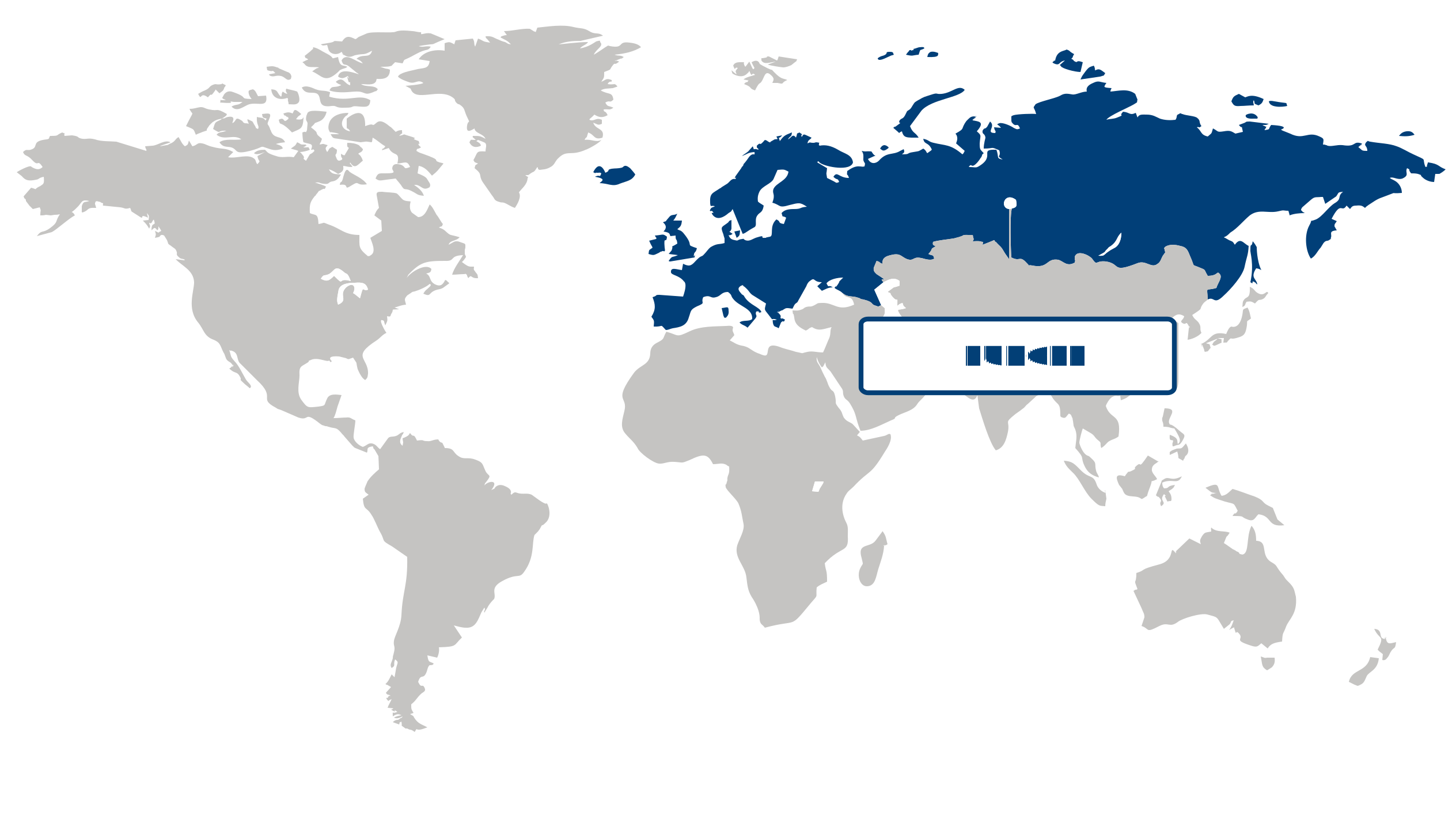
Largest Region
Europe
39.1% Market Share in 2025
Europe Market Statistics:
Europe represented over 39.1% of the global prebiotics market in 2025, establishing itself as the largest region in this sector. This dominance can be attributed to a strong consumer demand for gut health products, driven by increasing awareness of the benefits of prebiotics in enhancing digestive health and overall well-being. The region's robust regulatory frameworks and emphasis on sustainability further bolster market growth, as consumers increasingly favor products that align with health and environmental considerations. For instance, the European Food Safety Authority (EFSA) has set stringent guidelines that enhance consumer trust in prebiotic products, thereby fostering a competitive landscape that encourages innovation and quality. As such, Europe presents significant opportunities for stakeholders looking to invest in the prebiotics market, given its established consumer base and favorable market dynamics.
Germany anchors the prebiotics market in Europe, showcasing a unique blend of consumer demand and regulatory support that enhances its growth trajectory. The country's strong emphasis on health and wellness, coupled with a well-informed consumer base, drives high demand for prebiotic products. For example, a report by the Federal Office of Consumer Protection and Food Safety highlights the increasing popularity of functional foods among German consumers, particularly those enriched with prebiotics. Additionally, Germany's proactive regulatory environment encourages the development of innovative prebiotic solutions, positioning the country as a leader in the sector. As a result, Germany's strategic focus on health-oriented products not only reinforces its role in the regional prebiotics market but also creates synergistic opportunities for growth across Europe.
France plays a pivotal role in the European prebiotics market, characterized by a cultural inclination towards health and nutrition that significantly influences consumer preferences. The French market is increasingly embracing prebiotic products as part of a holistic approach to health, reflecting broader trends in dietary habits. According to the French Agency for Food, Environmental and Occupational Health Safety, there is a growing consumer interest in foods that promote gut health, which aligns with the increasing availability of prebiotic options in supermarkets and health stores. This cultural shift, combined with France's commitment to sustainability and quality, positions it as a key player in the prebiotics landscape. The interplay of these dynamics not only enhances France's standing in the regional market but also contributes to the overall growth potential of the prebiotics sector in Europe.
Asia Pacific Market Analysis:
The Asia Pacific region has emerged as the fastest-growing market for prebiotics, registering rapid growth with a CAGR of 14.5%. This remarkable growth can be attributed to the rising health-conscious population and ongoing food innovation, which are driving consumer demand for products that enhance gut health and overall well-being. The region's diverse demographic landscape, coupled with an increasing awareness of health benefits associated with prebiotics, is reshaping consumer preferences and spending patterns. Additionally, advancements in technology and digital transformation are enabling companies to introduce innovative prebiotic formulations that cater to local tastes and preferences. Recent data from the Food and Agriculture Organization (FAO) indicates that the Asia Pacific's focus on sustainable food production aligns with global health trends, further solidifying its importance in the prebiotics market. Looking ahead, the region offers substantial opportunities for growth as businesses continue to adapt to evolving consumer demands and capitalize on technological advancements.
Japan plays a pivotal role in the Asia Pacific prebiotics market, characterized by a strong emphasis on health and wellness among its consumers. The rising health-conscious population manifests in increased demand for functional foods, with prebiotics gaining traction as essential components of a balanced diet. Japanese consumers are particularly attentive to product labels and health claims, driving companies to innovate with new prebiotic-rich offerings. The Ministry of Health, Labour and Welfare of Japan has been proactive in promoting dietary guidelines that encourage the consumption of prebiotics, further fostering market growth. As a result, Japan's robust regulatory environment supports the introduction of high-quality prebiotic products, positioning it as a leader within the region's market. This dynamic not only bolsters Japan's market presence but also reinforces the Asia Pacific's overall growth trajectory in the prebiotics sector.
China is another key player in the Asia Pacific prebiotics market, where the intersection of rising health consciousness and rapid urbanization is reshaping consumer behavior. The growing middle class is increasingly seeking health-enhancing products, with prebiotics being recognized for their role in digestive health and immunity. The Chinese government has implemented policies that encourage the development of functional foods, aligning with the nation’s broader health initiatives. Companies like Danone have reported significant investments in local production facilities to cater to the increasing demand for prebiotic products, highlighting a competitive landscape that is evolving rapidly. As China's consumers become more sophisticated, the demand for innovative and high-quality prebiotics is expected to intensify, creating a synergistic effect that enhances the region's growth potential in the prebiotics market.
North America Market Trends:
The North America prebiotics market maintained a notable presence, driven by increasing consumer awareness regarding gut health and the rising demand for functional foods. This region is significant due to its advanced healthcare infrastructure, robust research and development capabilities, and a consumer base that prioritizes health and wellness. Additionally, the shift towards plant-based diets and natural ingredients has further fueled market growth, supported by recent initiatives from the U.S. Department of Agriculture promoting sustainable agricultural practices. The competitive landscape is intensifying, with key players investing in innovative product development and digital marketing strategies to cater to evolving consumer preferences. Given these dynamics, North America presents substantial opportunities for growth in the prebiotics sector as companies adapt to changing market conditions and consumer demands.
The U.S. holds a commanding share of the North America prebiotics market, characterized by lucrative growth driven by a strong emphasis on health and wellness among consumers. The increasing prevalence of digestive disorders has prompted a surge in demand for prebiotic products, with organizations like the National Institutes of Health highlighting the benefits of prebiotics in improving gut health. Furthermore, regulatory support from the Food and Drug Administration, encouraging transparency in food labeling, has led to increased consumer trust in prebiotic products. This environment fosters innovation, as companies like Bifidobacterium and DuPont Nutrition & Biosciences are pioneering new formulations to enhance product efficacy. As the U.S. continues to lead in market advancements, it reinforces the region's overall growth potential in the prebiotics market.
Canada also plays a vital role in the North America prebiotics market, experiencing moderate growth fueled by a culturally diverse population increasingly interested in health-conscious products. The Canadian government’s initiatives to promote healthier food options have created a favorable regulatory landscape for prebiotic innovations. Industry reports from the Canadian Health Food Association indicate a rising consumer preference for natural and organic products, leading to significant investments by companies like BioCare Copenhagen in developing plant-based prebiotic solutions. This trend not only aligns with consumer expectations but also positions Canada as a strategic player in the North American prebiotics market, enhancing regional opportunities for collaboration and growth in this evolving sector.
No card data available for this language/report.
Segment Leadership and Growth Trends
Analysis by Source
The prebiotics market is led by the roots segment, which captured a commanding 46.4% share in 2025. This dominance is largely attributed to the abundant availability of chicory roots, a key source for inulin extraction, which has become increasingly popular due to its health benefits. Consumer preferences are shifting towards natural ingredients, driving demand for root-based prebiotics that align with sustainability priorities. According to the International Food Information Council, the trend towards clean labels is influencing manufacturers to incorporate more plant-derived components, thereby enhancing the competitive landscape. This segment offers significant opportunities for both established firms and emerging players looking to capitalize on the growing health-conscious consumer base. With ongoing innovations in extraction and processing technologies, the roots segment is expected to maintain its relevance in the near to medium term as it continues to meet the evolving demands of the market.
Analysis by Application
The prebiotics market is significantly shaped by the food & beverages segment, which represented more than 49.5% of the market share in 2025. This leadership stems from the strong integration of prebiotics in dairy and bakery products, where they enhance both nutritional value and consumer appeal. The rising health consciousness among consumers is propelling demand for functional foods, as highlighted by the Food and Agriculture Organization, which emphasizes the importance of dietary diversity. The segment's growth is further supported by regulatory endorsements promoting healthier eating habits, creating a favorable environment for innovation. Established firms can leverage their brand recognition, while new entrants can find niches in specialized products. As the trend towards health-oriented food products continues, the food & beverages segment is poised to remain a cornerstone of the prebiotics market.
Analysis by Type
The prebiotics market is prominently influenced by the inulin segment, which held a substantial 41.2% share in 2025. This segment's leadership is driven by its wide use in functional foods aimed at promoting digestive health, appealing to the increasing consumer focus on gut health. The Global Organization for Nutritional Health reports a growing awareness of the benefits of dietary fibers, further bolstering demand for inulin as a key ingredient. The segment's success is also linked to technological advancements in food processing, allowing for better incorporation of inulin into various products. Both established companies and startups can explore opportunities in product development and marketing strategies that highlight health benefits. With the ongoing emphasis on digestive wellness and functional nutrition, the inulin segment is expected to sustain its significance in the evolving prebiotics market.
| Report Segmentation | |||
| Segment | Sub-Segment | Largest Segment | Fastest Growing Segment |
|---|---|---|---|
| Type | Inulin, Fructo-Oligosaccharides (FOS), Galacto-Oligosaccharides (GOS), Oligosaccharides, Others | ||
| Source | Roots, Grains, Vegetables, Others | ||
| Functionality | Bone Health, Immunity Enhancement, Digestive Health, Weight Management, Others | ||
| Application | Food & Beverages, Dietary Supplements, Animal Feed, Others | ||
 Read our Research Approach
Competitive Landscape and Market Positioning
Key players in the prebiotics market include Beneo, FrieslandCampina, Ingredion, Yakult, Nexira, Cargill, DuPont, Sensus, Kerry Group, and Taiyo International. These companies are recognized for their strong portfolios and innovative approaches, positioning them as influential entities within the sector. Beneo and FrieslandCampina, for instance, leverage their extensive research capabilities and established distribution networks to enhance their market presence. Meanwhile, Yakult’s focus on gut health has solidified its reputation, while Ingredion and Cargill utilize their expertise in ingredient solutions to cater to diverse consumer needs, reflecting their adaptability and responsiveness in the evolving prebiotics landscape.
The competitive environment in the prebiotics market is characterized by dynamic initiatives from the leading players, fostering innovation and enhancing market positioning. Collaborations among these companies often lead to the development of novel products that meet emerging consumer demands, while strategic mergers and acquisitions facilitate the expansion of capabilities and market reach. For example, DuPont and Kerry Group have been actively investing in R&D to enhance their product offerings, ensuring they remain at the forefront of technological advancements. This collaborative spirit not only drives competitiveness but also encourages a culture of innovation that is vital for sustaining growth in the prebiotics market.
Strategic / Actionable Recommendations for Regional Players
In North America, players should consider forming alliances with health-focused brands to tap into the growing consumer interest in functional foods. By integrating prebiotics into popular product lines, companies can enhance their market appeal and meet the rising demand for health-oriented solutions.
In Asia Pacific, leveraging emerging technologies to develop more efficient production methods could significantly enhance product quality and reduce costs. Fostering partnerships with local research institutions may also yield innovative applications of prebiotics, catering to the region's unique dietary preferences.
In Europe, focusing on high-growth sub-segments such as plant-based and organic prebiotics can provide a competitive edge. Engaging in consumer education initiatives about the benefits of prebiotics may further strengthen brand loyalty and market penetration, responding effectively to the increasing consumer awareness surrounding gut health.
Why Choose Us
Specialized Expertise: Our team comprises industry experts with a deep understanding of your market segment. We bring specialized knowledge and experience that ensures our research and consulting services are tailored to your unique needs.
Customized Solutions: We understand that every client is different. That's why we offer customized research and consulting solutions designed specifically to address your challenges and capitalize on opportunities within your industry.
Proven Results: With a track record of successful projects and satisfied clients, we have demonstrated our ability to deliver tangible results. Our case studies and testimonials speak to our effectiveness in helping clients achieve their goals.
Cutting-Edge Methodologies: We leverage the latest methodologies and technologies to gather insights and drive informed decision-making. Our innovative approach ensures that you stay ahead of the curve and gain a competitive edge in your market.
Client-Centric Approach: Your satisfaction is our top priority. We prioritize open communication, responsiveness, and transparency to ensure that we not only meet but exceed your expectations at every stage of the engagement.
Continuous Innovation: We are committed to continuous improvement and staying at the forefront of our industry. Through ongoing learning, professional development, and investment in new technologies, we ensure that our services are always evolving to meet your evolving needs.
Value for Money: Our competitive pricing and flexible engagement models ensure that you get maximum value for your investment. We are committed to delivering high-quality results that help you achieve a strong return on your investment.
Select Licence Type

