Trolley Bus Market Size & Growth Forecast 2027–2036, By Segments (Product, Length, Application, Seating Capacity), Regional Demand Trends (North America, Asia Pacific, Europe), Key Country Insights (U.S., Japan, South Korea, Germany, France, Italy), and Competitive Landscape
Jump to Content
Market Size and Growth Outlook
Trolley Bus Market size was estimated at USD 1.42 billion in 2026 and is projected to grow at a 3.46% CAGR from 2027 to 2036, exceeding USD 2 billion by 2036. The industry revenue for 2027 is calculated at USD 1.46 billion.
Get more details on this report
Request Free Sample ReportTrolley Bus Market Intelligence Snapshot
Regional Market Dynamics
- Europe held the largest market share in 2026, supported by established electric transit networks, urban mobility infrastructure, fleet modernization investments, and growing emphasis on low-emission public transportation.
- Asia Pacific is projected to grow fastest as urbanization, rising passenger demand, clean transportation initiatives, and investments in electrified transit networks accelerate trolley bus adoption.
Segment Momentum
- Electric trolley buses held 62.4% market share in 2026 and are also the fastest-growing product segment. Their zero-emission operation at the point of use, potential operating cost advantages, and suitability for established overhead infrastructure support urban transit electrification.
- The 10–12 meter category accounted for 56.65% market share in 2026 and is also the fastest-growing length segment. Its balance of passenger capacity, maneuverability, and operating flexibility suits diverse urban routes and established transit infrastructure.
Market Expansion Drivers
- Adoption of Eco-Friendly & Electric Trolley Bus Systems.
- Modernization of Urban Public Transport Networks.
- Integration with Smart City & Intelligent Transport Systems.
Leading Market Participants
- Leading players in the trolley bus market include Solaris Bus & Coach (Poland), Yutong (China), Skoda Electric (Czech), ABB (Switzerland/Sweden), New Flyer (USA), BYD (China), Vossloh Kiepe (Germany), Van Hool (Belgium), Proterra (USA), Gillig (USA).
Global Market Forecast Snapshot
Market Outlook
- 2026 Market Size: USD 1.42 billion
- 2027 Estimated Market Size: USD 1.46 billion
- Projected Market Size: USD 2 billion by 2036
- Growth Forecast: 3.46% CAGR (2027-2036)
Regional and Segment Outlook
- Leading Regional Market: Europe
- High-Growth Regional Hub: Asia Pacific
- Core Revenue Segment: Product (Electric Trolley Bus) | Length (10-12 Meters) | Application (Public Transport) | Seating Capacity (50-100 Seats)
- Emerging Opportunity Segment: Product (Electric Trolley Bus) | Length (10-12 Meters) | Application (Public Transport) | Seating Capacity (50-100 Seats)
Market Growth Drivers and Industry Trends
Adoption of Eco-Friendly & Electric Trolley Bus Systems
The trolley bus market is benefiting from growing demand for low-emission public transportation solutions as cities seek to reduce urban air pollution and transition toward cleaner mobility. Electric trolley buses provide the operational advantages of electric propulsion while supporting frequent and reliable urban services on established routes. Their ability to operate with lower local emissions and reduced dependence on conventional fuels is encouraging their consideration as part of broader sustainable public transport strategies.
Modernization of Urban Public Transport Networks
Modernization of aging public transportation infrastructure is driving demand for upgraded trolley bus systems with improved vehicles, power supply equipment, charging capabilities, and passenger facilities. Transit authorities are increasingly focused on enhancing service reliability, energy efficiency, accessibility, and operational performance as urban populations expand and public transport demand increases. Fleet renewal and infrastructure upgrades are consequently creating opportunities for the deployment of modern trolley bus technologies within established transit networks.
Integration with Smart City & Intelligent Transport Systems
Integration of trolley bus networks with smart city and intelligent transportation systems is improving fleet management, route optimization, passenger information, and operational monitoring. Connected vehicle technologies and digital transit platforms enable transportation operators to analyze service conditions and coordinate electric mobility infrastructure more effectively. Increasing emphasis on data-driven urban mobility planning is supporting the integration of trolley buses with multimodal transportation networks and broader smart mobility initiatives.
| Growth Driver | Impact on CAGR | Regulatory Influence | Geographic Relevance | Adoption Rate | Impact Timeline |
|---|---|---|---|---|---|
| Adoption of Eco-Friendly & Electric Trolley Bus Systems | 1% | Short term (≤ 2 yrs) | Europe; North America; Spillover: Asia Pacific | Medium | Fast |
| Modernization of Urban Public Transport Networks | 1% | Medium term (2–5 yrs) | Europe; Asia Pacific | High | Moderate |
| Integration with Smart City & Intelligent Transport Systems | 1% | Long term (5+ yrs) | North America; Europe | Medium | Moderate |
Explore Growth Opportunities
Request Free Sample ReportRegional Demand Dynamics
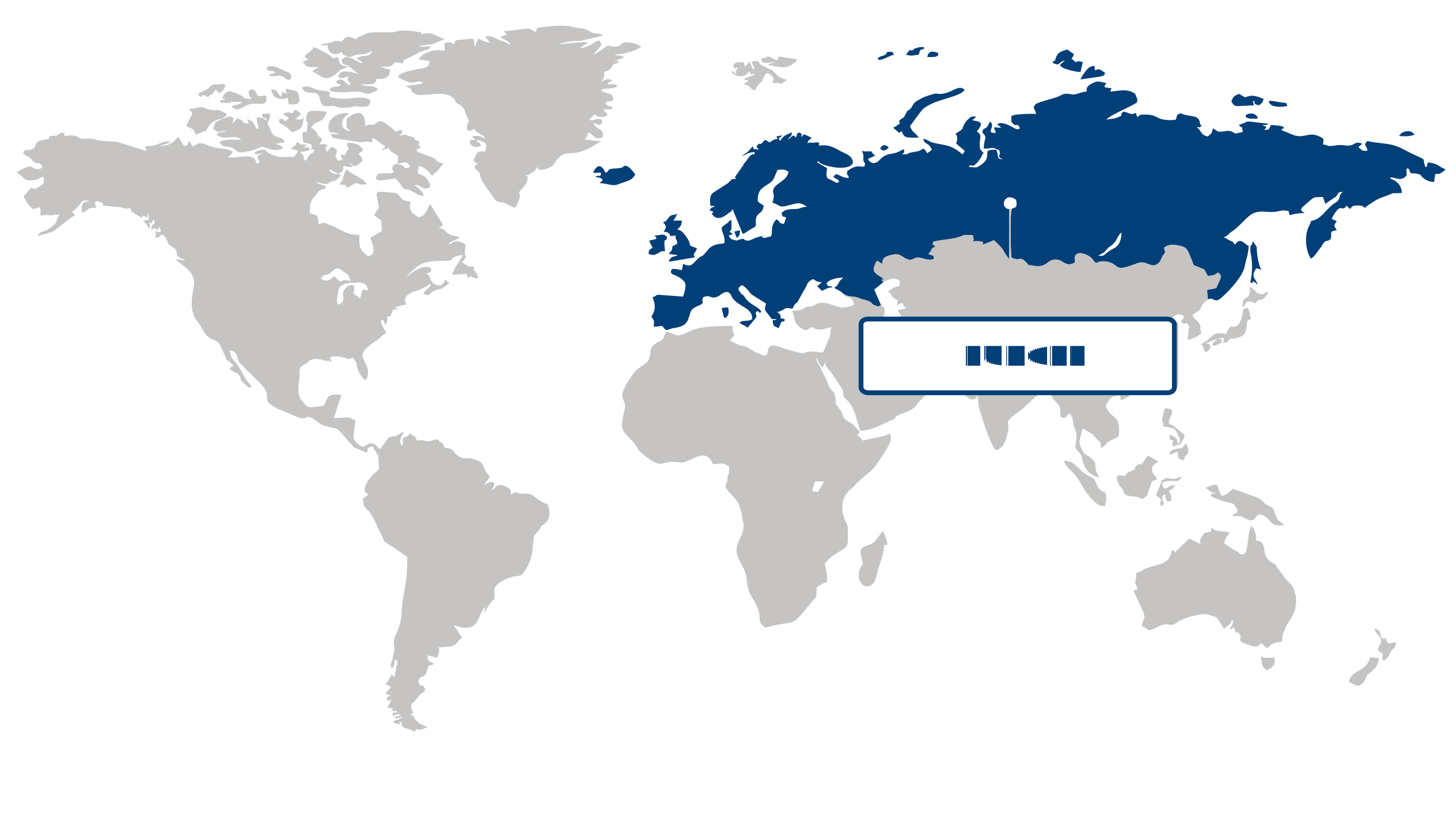
Europe (Largest Region)
Europe held the largest share of the trolley bus market in 2026, propelled by established electric public transportation networks, strong urban mobility infrastructure, and continued emphasis on low-emission transit systems. Trolley buses are being utilized as an efficient electrified transportation option in cities seeking to reduce dependence on conventional fuel-powered public transit while maintaining reliable urban connectivity. Investments in public transportation modernization, network upgrades, and electric mobility infrastructure are supporting the replacement and expansion of trolley bus fleets. Growing environmental awareness, urban congestion, and regional efforts to improve sustainable mobility are further strengthening demand for electrified public transportation solutions across Europe.
Asia Pacific (Fastest-Growing Region)
Asia Pacific is projected to be the fastest-growing region in the trolley bus market, backed by rapid urbanization, expanding public transportation infrastructure, and increasing efforts to reduce emissions from urban mobility systems. Cities across the region are investing in electrified bus networks to address rising passenger demand and improve the sustainability of public transportation. Trolley buses offer opportunities for efficient operation along established urban routes while supporting reduced dependence on conventional fuels. Government initiatives promoting clean transportation, modernization of transit networks, and development of electric mobility infrastructure are further encouraging the adoption of trolley bus systems across emerging and developed markets in Asia Pacific.
| Parameter | North America | Asia Pacific | Europe | Latin America | MEA |
|---|---|---|---|---|---|
| Innovation HubiScaleNascentDeveloping Advanced | |||||
| Cost-Sensitive RegioniScaleLowMedium High | |||||
| Regulatory EnvironmentiScaleRestrictiveNeutral Supportive | |||||
| Demand DriversiScaleWeakModerate Strong | |||||
| Development StageiScaleEmergingDeveloping Developed | |||||
| Adoption RateiScaleLowMedium High | |||||
| New Entrants / StartupsiScaleSparseModerate Dense | |||||
| Macro IndicatorsiScaleWeakStable Strong |
Key Country Insights
United States 🇺🇸
Transit Electrification ProgramsThe U.S. trolley bus market is tied to transit agencies evaluating zero-emission mobility while retaining the operational advantages of overhead electric infrastructure. Procurement priorities center on vehicle modernization, reliable power collection systems, fleet integration, and lifecycle economics for urban routes requiring frequent service.
Germany 🇩🇪
Network Modernization FocusGermany continues to value trolley buses where established electric transit networks can support efficient urban operations. Market priorities include replacing aging fleets, improving energy efficiency, upgrading charging and overhead systems, and integrating modern low-floor vehicles with broader public transportation networks.
Japan 🇯🇵
Urban Transit ReliabilityJapan's trolley bus applications emphasize dependable vehicle operation and infrastructure performance within specialized urban and tourism-oriented transit settings. Suppliers can focus on durable electric drivetrains, compact vehicle configurations, dependable overhead collection, and maintenance solutions that support demanding operating environments.
South Korea 🇰🇷
Smart Transit IntegrationSouth Korea's trolley bus market is influenced by efforts to modernize urban mobility through connected and lower-emission transportation systems. Commercial priorities include intelligent fleet management, energy-efficient propulsion, reliable power infrastructure, and compatibility with digitally managed public transit operations.
France 🇫🇷
Electric Corridor RenewalFrance can leverage trolley bus systems on heavily used urban corridors where continuous electric supply supports frequent transit service. Operators and suppliers should prioritize low-floor vehicles, efficient propulsion, infrastructure renewal, and seamless integration with wider urban electrification strategies.
Italy 🇮🇹
Urban Fleet UpgradesItaly's trolley bus market is supported by municipal efforts to modernize electric public transport on established routes. Procurement considerations include replacement of older vehicles, overhead-network reliability, accessible interiors, energy-efficient drivetrains, and maintenance programs that minimize service interruptions.
Trolley Bus Market Share (%), by Product, 2026
Go beyond the chart, access full insights & data tables
Request Free Sample ReportProduct Segment Analysis: Electric Trolley Bus (Largest & Fastest-Growing Segment)
The electric trolley bus segment accounts for the largest trolley bus market share at 62.4% in 2026 and is also positioned as the fastest-growing product segment, reflecting the increasing emphasis on sustainable public mobility and the electrification of urban transportation systems. Electric trolley buses offer zero-emission operation at the point of use, reduced dependence on conventional fuels, and the potential for lower operating and maintenance costs compared with traditional diesel-powered alternatives. Their ability to operate on established overhead electrical infrastructure makes them particularly suitable for cities seeking to expand environmentally responsible transit services while maintaining reliable and consistent passenger transportation. Growing concerns about urban air pollution, greenhouse gas emissions, and noise levels are encouraging transport authorities to prioritize electric trolley buses as part of broader clean mobility strategies. Improvements in electric drive systems, energy efficiency, regenerative braking, and onboard energy storage are further enhancing their operational flexibility, including the ability to navigate sections of routes beyond continuous overhead wiring where supported by vehicle design. The segment's strong position is also reinforced by the long-term planning priorities of municipalities aiming to modernize aging fleets, improve passenger comfort, and align transportation infrastructure with sustainability objectives. As cities increasingly integrate electrification into public transit investment programs, electric trolley buses are expected to remain central to product demand, supported by their environmental advantages, operational reliability, and suitability for high-frequency urban routes.
Length Segment Analysis: 10-12 Meters (Largest & Fastest-Growing Segment)
The 10–12 meters segment represents the leading length category in the trolley bus market, accounting for a 56.65% share in 2026 while also emerging as the fastest-growing segment. This position reflects the practical balance that medium-length trolley buses offer between passenger capacity, maneuverability, and operating efficiency in urban transportation networks. These vehicles can accommodate substantial passenger volumes on busy city routes while remaining suitable for streets with limited turning space, closely spaced stops, and varying traffic conditions. Their dimensions make them particularly attractive to transit operators serving established urban corridors where demand requires dependable passenger throughput without the additional infrastructure and operational considerations associated with longer vehicles. The segment also benefits from its adaptability across different route profiles, allowing transport authorities to deploy vehicles in central business districts, residential neighborhoods, and connecting routes with diverse passenger demand patterns. From an operational perspective, 10–12 meter trolley buses can help agencies balance fleet utilization, scheduling flexibility, and service frequency, particularly where passenger flows fluctuate throughout the day. Their compatibility with established trolley bus infrastructure and their potential to support fleet standardization can further simplify procurement, maintenance planning, and driver training. As cities prioritize reliable and efficient electric public transportation, demand for this length category is likely to benefit from its versatility, manageable operating characteristics, and ability to meet a broad range of everyday urban mobility requirements.
Application Segment Analysis: Public Transport (Largest & Fastest-Growing Segment)
Public transport dominates the market with a 67.2% share in 2026 and is also the fastest-growing trolley bus application segment, highlighting the importance of trolley buses in urban and metropolitan passenger transportation. Public transit systems require vehicles that can provide consistent service, accommodate recurring passenger demand, and support efforts to reduce emissions from daily commuting. Trolley buses are well suited to these requirements because their electric propulsion enables operation without direct tailpipe emissions, making them particularly valuable along heavily traveled routes where air quality and noise reduction are important policy priorities. Their ability to operate on fixed corridors also allows transit authorities to integrate them into coordinated networks connecting residential areas, commercial districts, employment centers, and major transport interchanges. The segment's growth is supported by increasing urbanization, rising demand for accessible mass mobility, and the ongoing modernization of municipal transport fleets. Public transport operators are also placing greater emphasis on energy efficiency, service reliability, and lifecycle operating costs when evaluating fleet investments, strengthening the appeal of electrically powered trolley buses. In addition, improvements in vehicle technology and onboard energy storage can provide greater route flexibility and help operators maintain service continuity across different operating conditions. Investments in dedicated transit infrastructure, fleet renewal, and sustainable urban mobility planning further reinforce the role of trolley buses in public transportation networks. As cities seek to expand dependable, lower-emission transit services, the public transport application is expected to remain a primary driver of demand, supported by its central role in everyday commuting and long-term urban transportation development.
| Segment | Sub-Segment | Largest Segment | Fastest Growing |
|---|---|---|---|
| Product | Electric Trolley Bus, Hybrid/Battery Trolley Bus | Electric Trolley Bus | Electric Trolley Bus |
| Length | Up to 10 Meters, 10-12 Meters, More Than 12 Meters | 10-12 Meters | 10-12 Meters |
| Application | Public Transport, Tourism, Airport Shuttle, Others | Public Transport | Public Transport |
| Seating Capacity | Less Than 50 Seats, 50-100 Seats, Above 100 Seats | 50-100 Seats | 50-100 Seats |
Unlock insights tailored to your business with our bespoke market research solutions.
Click to get your customized report now.
Competitive Landscape and Market Positioning
Analyst Perspective:
Transit agencies are prioritizing fleet flexibility and route versatility, pushing manufacturers to balance advanced power systems with structural efficiency. While dynamic inductive charging and high-capacity battery range allow off-wire operations, adoption hinges on route-specific economics, operational reliability, and managing trade-offs around vehicle weight and passenger capacity. Simultaneously, adopting lightweight composite body architectures enhances overall energy efficiency, though suppliers must prove long-term structural durability and manageable repair costs over extended service lives. Ultimately, market competitiveness will belong to manufacturers that seamlessly integrate robust lightweight materials, proven battery-assisted range, and actionable telemetry systems to give operators greater control over network design and total lifecycle expenditures.
Prominent players in the trolley bus market:
- Solaris Bus & Coach (Poland)
- Yutong (China)
- Skoda Electric (Czech)
- ABB (Switzerland/Sweden)
- New Flyer (USA)
- BYD (China)
- Vossloh Kiepe (Germany)
- Van Hool (Belgium)
- Proterra (USA)
- Gillig (USA)
| Company | Market Share | Company Revenue | Revenue CAGR (%) | Product Portfolio | Geographic Presence | Innovation / R&D Focus | Strategic Developments |
|---|---|---|---|---|---|---|---|
| Solaris Bus & Coach (Poland) | |||||||
| Yutong (China) | |||||||
| Skoda Electric (Czech) | |||||||
| ABB (Switzerland/Sweden) | |||||||
| New Flyer (USA) | |||||||
| BYD (China) | |||||||
| Vossloh Kiepe (Germany) | |||||||
| Van Hool (Belgium) | |||||||
| Proterra (USA) | |||||||
| Gillig (USA) |
Industry Development/News
| Company Name | Date | Key Development |
|---|---|---|
| KIEPE | September 2025 | KIEPE introduced its advanced eDrive unit at Busworld Europe 2025, featuring an integrated inverter and electronic control unit coupled with a VEM-made electric motor. The solution strengthens the company's electric powertrain portfolio, specifically targeting battery-electric and in-motion-charging bus applications to advance integrated public transit propulsion technologies. |
| Bozankaya | March 2025 | Bozankaya secured a tender to supply up to 70 trolley buses for Prague and selected Forsee Power's high-power FORSEE PULSE 15 battery system to power the vehicles. This integration supports the production of advanced trolley buses configured for the Czech Republic capital's public transportation modernization initiative. |
| TransLink | March 2025 | TransLink announced plans to replace its entire fleet of 262 trolley buses over subsequent years. This fleet renewal represents a major capital investment aimed at modernizing Vancouver's trolleybus network infrastructure and upgrading legacy vehicles. |
| Minsk Automobile Plant (MAZ) | December 2024 | The Minsk Automobile Plant delivered 39 new MAZ 303T third-generation trolley buses to Kazan, expanding the city's total operational fleet of these units to 64. This deployment directly supports regional public transport fleet renewal and modernization objectives within Tatarstan, Russia. |
| Kiepe | September 2024 | Kiepe secured a major order from King County Metro to execute a comprehensive battery upgrade for up to 170 operational trolleybuses in Seattle. The project extends the service life and operational capability of existing transit assets through targeted battery-system modernization rather than complete vehicle replacement. |
| Škoda Group | November 2023 | Prague Transport Company and Škoda Group, in collaboration with Solaris, unveiled the Škoda-Solaris 24m, establishing the longest double-articulated trolley bus in the Czech Republic. The vehicle is engineered for dual-mode operation utilizing both wired overhead lines and on-board battery systems to enhance transit capacity. |
Customize Your Report
Explore examples of how this report can be tailored to different research needs, including custom segments, additional topics or chapters, and related reports. Click a section of the wheel or its numbered marker to explore the available options.
Trolley Bus Market — Custom Segments
| Segment | Sub-Segment |
|---|---|
| Infrastructure de recharge | Infrastructure de recharge aérienne, recharge en dépôt, recharge d'opportunité |
| Propriété de la flotte | Flottes publiques, flottes privées, flottes issues de partenariats public-privé |
| Modèle d'approvisionnement | Achat direct, location, acquisition de flottes par contrat |
Trolley Bus Market — Custom TOC
| Custom Chapter | Chapter Details |
|---|---|
| Public Procurement and Tender Intelligence |
|
| Fleet Replacement and Modernization Pipeline |
|
| Urban Transit Electrification Adoption Pathways |
|
Need a different cut of the data?
Request Custom ResearchFrequently Asked Questions
How big is the trolley bus market?
What is the expected industry size of trolley bus by 2036?
How is public transport modernization influencing trolley bus investment priorities?
How is smart mobility integration changing trolley bus deployment strategies?
Why do electric trolley buses dominate the trolley bus market?
Why are 10–12 meter trolley buses preferred for urban public transportation?
Why does Europe lead the trolley bus market?
How is Asia Pacific creating new opportunities in the trolley bus market?
Which companies dominate the trolley bus landscape?
Our Clients
"The team surpassed our expectations with the report depth. The actionable insights provided proved crucial in navigating market challenges."
Tata Motors
"We found the report to be very informative. The expertise and attention to market nuances significantly influenced our business direction."
DENSO Corporation
"The consumer survey findings were quite good. We now have a clearer picture of the customer churning and retention strategy."
HL Mando
Our Research Team & Methodology
Every Fundamental Business Insights report is built by a dedicated vertical research team, validated through a structured primary-and-secondary methodology, and reviewed for accuracy before it reaches you.
This report was prepared by the Automotive & Transportation Research Team at Fundamental Business Insights, a dedicated research group specializing in the global automotive, mobility, and transportation industries. Our analysts continuously monitor vehicle technology advancements, electrification trends, autonomous and connected mobility, manufacturing developments, supply chain dynamics, regulatory standards, emissions policies, aftermarket activities, and evolving consumer and commercial transportation requirements to deliver timely and reliable market intelligence. The research is developed using a structured methodology that combines primary discussions with vehicle manufacturers, component suppliers, technology providers, distributors, logistics stakeholders, and industry experts, along with company annual reports, regulatory publications, government transportation statistics, industry associations, technical standards, and other authoritative secondary sources. Market estimates are validated through multiple research techniques, including top-down and bottom-up analysis, before undergoing an internal quality review to ensure accuracy, consistency, and methodological integrity prior to publication.
Delivery
Published
Available
Support
- Market Size & Forecast
- Market Segmentation
- Regional Analysis
- Growth Drivers & Challenges
- Market Dynamics
- Competitive Landscape
- Company Profiles
- Competitive Benchmarking
- Mergers & Acquisitions
- Market Share Analysis or Key Company Strategies
- Value Chain Analysis
- Porter's Five Forces
- PESTLE Analysis
- Pricing Trends
- Supply-Demand Analysis
- Technology Landscape
- Regulatory Landscape
- Investment & Funding Landscape
- Emerging Opportunities
- Future Market Outlook