



Wine Tourism Market Size & Growth Forecast 2027–2036, By Segments (Tourist Type, Service, Booking Mode), Regional Demand Trends (North America, Asia Pacific, Europe), Key Country Insights (U.S., Japan, South Korea, Germany, France, Italy), and Competitive Landscape
Market Size and Growth Outlook
Wine Tourism Market size was over USD 64.6 billion in 2026 and is likely to grow at a 11.97% CAGR between 2027 and 2036, exceeding USD 200.1 billion by 2036. The industry revenue for 2027 is estimated at USD 71.11 billion.
Base Year Value (2026)
USD 64.6 billion
CAGR (2027-2036)
11.97%
Forecast Year Value (2036)
USD 200.1 billion

Historical Data Period
2022-2026

Largest Region
Europe

Forecast Period
2027-2036
Wine Tourism Market Intelligence Snapshot:
-
Regional Market Dynamics:
- Europe led the market in 2026 due to its established wine regions, mature vineyard tourism networks, and seamless integration of wineries, hospitality, and destination-based travel experiences.
- Asia Pacific is projected to grow at a 14.22% CAGR as emerging wine destinations expand winery hospitality, tasting experiences, and vineyard tourism ecosystems, attracting both domestic and international visitors.
-
Segment Momentum:
- Domestic tourists held a 62.08% share in 2026 due to easier travel, lower planning complexity, and more frequent winery visits, supporting consistent demand for vineyard experiences throughout the year.
- Wine festivals and events are expanding fastest because they combine wine experiences with entertainment, regional culture, and social activities, attracting broader visitor groups and encouraging longer destination stays.
-
Market Expansion Drivers:
- Rising consumer demand for immersive travel experiences driving winery tours and tasting activities.
- Growing millennial interest in experiential tourism accelerating digital wine travel engagement and bookings.
- Expansion of emerging wine destinations enhancing rural tourism and regional hospitality investments.
-
Leading Market Participants:
Key companies in the wine tourism market include Sula Vineyards Limited (India), The Prisoner Wine Company (United States), Wine Paths SAS (France), Cellar Tours LLC (United States), BKWine AB (Sweden), Backcountry Wine Tours Inc. (Canada), Grape Escapes Ltd. (United Kingdom), VIAVINUM, S.L. (Spain), Pure Luxury Transportation LLC (United States), Wine Compass LLC (United States).
Global Market Forecast Snapshot:
-
Market Outlook:
- 2026 Market Size: USD 64.6 billion
- 2027 Estimated Market Size: USD 71.11 billion.
- Projected Market Size: USD 200.1 billion by 2036
- Growth Forecasts: 11.97% CAGR (2027-2036)
-
Regional and Segment Outlook:
- Leading Regional Market: Europe
- High-Growth Regional Hub: Asia Pacific
- Core Revenue Segment: Domestic (Tourist Type) | Wine Tastings and Tours (Service) | Direct Booking (Booking Mode)
- Emerging Opportunity Segment: International (Tourist Type) | Wine Festivals and Events (Service) | Online Marketplaces (Booking Mode)
Market Growth Drivers and Industry Trends
Rising consumer demand for immersive travel experiences driving winery tours and tasting activities
Demand for more immersive travel experiences is supporting the wine tourism market as travelers increasingly seek activities that combine destination discovery with direct engagement in local wine culture. Winery tours and tasting activities provide experiential elements beyond conventional sightseeing, encouraging visitors to spend more time at wine-producing destinations and participate in experiences centered on production, tasting, and regional character.
Growing millennial interest in experiential tourism accelerating digital wine travel engagement and bookings
Millennial interest in experiential tourism is contributing to the wine tourism market as this consumer group increasingly engages with travel experiences that offer distinctive and memorable activities. Digital engagement also supports the discovery and booking of wine-related travel, making winery experiences easier to research and incorporate into itineraries while encouraging greater interaction with destinations through online travel channels.
Expansion of emerging wine destinations enhancing rural tourism and regional hospitality investments
The emergence of new wine destinations is creating additional opportunities for the wine tourism market by extending visitor activity beyond established wine regions. As these destinations attract travelers, surrounding rural areas can benefit from stronger tourism activity and increased investment in hospitality infrastructure, accommodations, and destination-based services connected with winery visits and regional travel.
| Growth Driver Assessment Framework | |||||
| Growth Driver | Impact On CAGR | Regulatory Influence | Geographic Relevance | Adoption Rate | Impact Timeline |
|---|---|---|---|---|---|
| Rising consumer demand for immersive travel experiences driving winery tours and tasting activities | 2.00% | Moderate | North America, Europe | High | Near Term |
| Growing millennial interest in experiential tourism accelerating digital wine travel engagement and bookings | 1.80% | Low | North America, Asia Pacific | High | Mid Term |
| Expansion of emerging wine destinations enhancing rural tourism and regional hospitality investments | 1.50% | Moderate | Europe, Africa | Emerging | Long Term |
Unlock insights tailored to your business with our bespoke market research solutions - Click to get your customized report now!
Regional Demand Dynamics
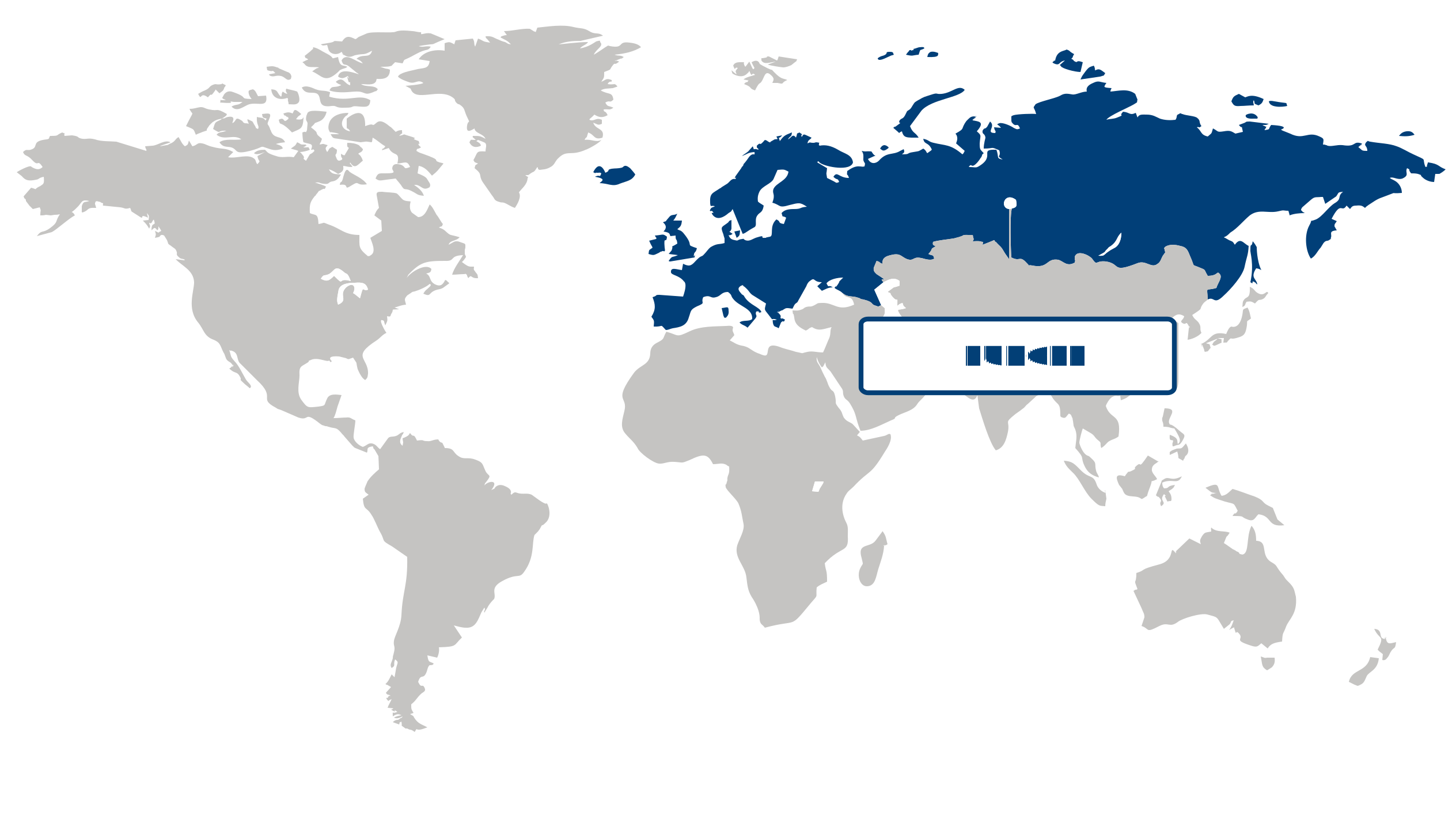
Largest Region
Europe
Largest Market Share in 2026
Europe (Largest Region) vs Asia Pacific (Fastest-Growing Region)
The wine tourism market in Europe was the largest regional market in 2026, benefiting from its established wine-producing heritage, diverse vineyard landscapes, and strong integration of wine with cultural and culinary tourism. Wine destinations across the region attract visitors seeking experiential travel that combines tastings, vineyard tours, local gastronomy, heritage experiences, and hospitality. The presence of long-established wine regions and well-developed tourism infrastructure provides a strong foundation for both domestic and international visitation. Growing consumer interest in authentic and immersive travel experiences is also encouraging wineries and tourism operators to develop more sophisticated visitor programs, including educational activities, food pairings, cultural events, and premium experiences. The close relationship between regional identity, wine production, and tourism continues to support Europe's leading position.
Asia Pacific is emerging as the fastest-growing region for wine tourism, supported by rising interest in wine culture, expanding tourism infrastructure, and increasing consumer exposure to wine as part of lifestyle and leisure experiences. Developing wine-producing destinations are attracting visitors through vineyard-based experiences that combine local culture, hospitality, gastronomy, and scenic tourism. Growth in disposable income and evolving travel preferences are encouraging consumers to seek specialized and experience-oriented destinations rather than conventional sightseeing alone. Improvements in transportation connectivity and hospitality offerings are also making wine regions more accessible to domestic and international travelers. As local wine industries mature and tourism providers increasingly package vineyard visits with culinary and cultural activities, the region is creating new opportunities for destination development and experiential tourism.
Key Country Insights
The U.S. wine tourism market is shaped by demand for immersive winery visits that combine premium tastings, culinary experiences, and luxury accommodations. Wine regions are expanding digital booking, personalized itineraries, and event-driven tourism to strengthen visitor engagement and repeat travel.
Japan is expanding wine tourism with boutique vineyards offering curated tastings, educational tours, and locally inspired hospitality. Japanese wineries are improving multilingual services and integrating wine experiences with regional culinary and cultural attractions to broaden visitor appeal.
South Korea is incorporating wine tourism into premium leisure travel, supported by growing consumer interest in wine education and experiential dining. Travel providers are developing vineyard excursions paired with wellness, luxury lodging, and curated culinary experiences.
Germany emphasizes wine tourism through scenic vineyard trails, historic wine villages, and seasonal festivals that attract domestic and international travelers. Operators increasingly combine cultural heritage, local gastronomy, and sustainable tourism practices to enhance visitor experiences.
France continues to strengthen wine tourism through château visits, vineyard accommodations, and educational tasting programs. French wineries are enhancing visitor engagement with exclusive cellar experiences, regional gastronomy, and sustainable vineyard operations that reinforce destination value.
Italy integrates wine tourism with regional food traditions, vineyard stays, and artisan winery experiences across established wine-producing regions. Italian operators are focusing on authentic local storytelling, premium hospitality, and small-group tours that highlight distinctive terroirs.
Segment Leadership and Growth Trends
Tourist Type Segment Analysis: Domestic (Largest Segment) vs International (Fastest-Growing Segment)
Domestic tourists accounted for the largest share of the wine tourism market in 2026, representing 62.08% share, supported by the accessibility of nearby wine destinations and growing consumer interest in regional culinary and beverage experiences. Domestic travel allows visitors to explore vineyards, tasting rooms, and local hospitality offerings without the logistical complexity associated with international travel. Rising interest in experiential tourism and short leisure trips continues to strengthen participation among domestic travelers seeking immersive food and wine experiences.
International tourists are gaining momentum as wine destinations increasingly attract travelers seeking authentic cultural, culinary, and destination-based experiences. Wine tourism provides international visitors with opportunities to combine vineyard visits and tastings with local cuisine, heritage, and leisure activities. The growing appeal of experiential travel and the integration of wine experiences into broader tourism itineraries are supporting stronger demand from international visitors.
Service Segment Analysis: Wine Tastings and Tours (Largest Segment) vs Wine Festivals and Events (Fastest-Growing Segment)
Wine tastings and tours held the largest share of the wine tourism market in 2026, accounting for 59.85% share, reflecting their central role in providing visitors with direct and immersive exposure to wine production and regional offerings. These experiences allow tourists to engage with vineyards, learn about production practices, and sample products within destination settings. Their broad appeal across different traveler profiles and their ability to combine education, leisure, and local culture continue to make tastings and tours a foundational component of wine tourism.
Wine festivals and events are experiencing faster growth as destinations increasingly use experiential gatherings to attract visitors and strengthen tourism engagement. Festivals can bring together wine experiences, local food, entertainment, and cultural activities, creating broader appeal than individual vineyard visits. Growing consumer interest in social and event-based travel experiences is supporting greater adoption of festivals and organized wine events as important drivers of destination traffic.
| Report Segmentation | |||
| Segment | Sub-Segment | Largest Segment | Fastest Growing Segment |
|---|---|---|---|
| Tourist Type | Domestic, International | Domestic | International |
| Service | Wine Tastings and Tours, Wine Festivals and Events, Others | Wine Tastings and Tours | Wine Festivals and Events |
| Booking Mode | Direct Booking, Travel Agencies, Online Marketplaces | Direct Booking | Online Marketplaces |
 Read our Research Approach
Competitive Landscape and Market Positioning
Key companies in the wine tourism market:
1. Sula Vineyards Limited (India)
2. The Prisoner Wine Company (United States)
3. Wine Paths SAS (France)
4. Cellar Tours LLC (United States)
5. BKWine AB (Sweden)
6. Backcountry Wine Tours Inc. (Canada)
7. Grape Escapes Ltd. (United Kingdom)
8. VIAVINUM S.L. (Spain)
9. Pure Luxury Transportation LLC (United States)
10. Wine Compass LLC (United States)
The wine tourism market is expanding as experiential travel becomes a key driver of consumer engagement in the hospitality sector. Curated vineyard experiences are enhancing visitor interaction and brand immersion. Continuous development of personalized tourism offerings is strengthening destination appeal.
Industry Development/News
| Company Name | Date | Key Development |
|---|---|---|
| Sula Vineyards | Mar-26 | Sula Vineyards acquired Chandon’s 19-acre estate in Nashik, marking a significant expansion of its production and hospitality footprint. This acquisition is strategically aligned with the company’s objective to develop a new wine tourism destination and resort-oriented visitor experience, enhancing its competitive positioning within the Indian wine tourism sector. |
| Moët Hennessy | Apr-26 | Moët Hennessy exited the Indian wine production market by divesting its Chandon India winery assets. This strategic withdrawal involves the transfer of production and wine tourism infrastructure to a domestic industry participant, reflecting a realignment of the company’s regional operational focus and asset portfolio. |
| Barfontarc Winery | May-26 | Barfontarc Winery initiated a €4 million capital investment project to construct an underground cellar, effectively doubling its storage capacity. This development is designed to support the winery's premiumization strategy and increase its operational bandwidth to accommodate rising visitor demand and production requirements. |
| White Bridge Investments II | May-25 | White Bridge Investments II acquired 100% of Cirelli La Collina Biologica via its subsidiary, Tenuta Ulisse. This transaction expands the investment fund’s portfolio within the Italian wine sector and strengthens its strategic presence in high-value, premium wine-related assets and associated tourism operations. |
| Masi | Sep-25 | Masi launched Monteleone21, a multifunctional wine hub situated in Valpolicella Classica. The facility is engineered to optimize visitor experiences and scale the company's wine tourism capacity, serving as a key pillar in Masi’s broader growth and institutional development strategy. |
| Grover Zampa | Nov-24 | Grover Zampa expanded its production capacity and finalized plans to open its Nashik winery to the public. Concurrently evaluating the integration of resort facilities, the company is leveraging its manufacturing infrastructure to establish a more robust and diversified long-term wine tourism development strategy. |
| Wine Enthusiast Companies | Jul-24 | Wine Enthusiast Companies partnered with Tock to launch a digital tasting room directory. This platform integrates global listings with booking capabilities, reflecting a strategic industry move toward digital transformation to capture consumer demand for curated and accessible wine tourism experiences. |
| Lugana Consortium | Jul-24 | The Lugana Consortium launched a formal "Wine Tourism Project" for the Lake Garda region, supported by significant capital investment from regional wineries. The initiative focuses on creating standardized visitor guides and enhancing direct-to-consumer sales channels, highlighting the increasing economic prioritization of wine tourism infrastructure. |
| Uttarakhand Government | Dec-24 | The government of Uttarakhand established its first wine production unit in Kotdwar under new excise policy frameworks. This regulatory initiative is explicitly designed to catalyze the region’s wine tourism market, providing the necessary foundation for future vineyard-based hospitality and commercial tourism development. |
| World Bank | May-25 | The World Bank committed to a $100 million tourism investment program in Armenia to enhance regional infrastructure. By targeting tourism capacity, this capital injection creates strategic opportunities for the development of wine tourism, facilitating international visitor access to the country’s emerging wine-producing regions. |
Why Choose Us
Specialized Expertise: Our team comprises industry experts with a deep understanding of your market segment. We bring specialized knowledge and experience that ensures our research and consulting services are tailored to your unique needs.
Customized Solutions: We understand that every client is different. That's why we offer customized research and consulting solutions designed specifically to address your challenges and capitalize on opportunities within your industry.
Proven Results: With a track record of successful projects and satisfied clients, we have demonstrated our ability to deliver tangible results. Our case studies and testimonials speak to our effectiveness in helping clients achieve their goals.
Cutting-Edge Methodologies: We leverage the latest methodologies and technologies to gather insights and drive informed decision-making. Our innovative approach ensures that you stay ahead of the curve and gain a competitive edge in your market.
Client-Centric Approach: Your satisfaction is our top priority. We prioritize open communication, responsiveness, and transparency to ensure that we not only meet but exceed your expectations at every stage of the engagement.
Continuous Innovation: We are committed to continuous improvement and staying at the forefront of our industry. Through ongoing learning, professional development, and investment in new technologies, we ensure that our services are always evolving to meet your evolving needs.
Value for Money: Our competitive pricing and flexible engagement models ensure that you get maximum value for your investment. We are committed to delivering high-quality results that help you achieve a strong return on your investment.
Select Licence Type

