Low Fat Content Kefir Market Size & Growth Forecast 2027–2036, By Segments (Fat Content, Source, Packaging Type, Application, Product Type, Distribution Channel), Regional Demand Trends (North America, Asia Pacific, Europe), Key Country Insights (U.S., Japan, South Korea, Germany, France, Italy), and Competitive Landscape
Jump to Content
Market Size and Growth Outlook
Low Fat Content Kefir Market size stood at USD 1.39 billion in 2026 and is predicted to grow at a 9.65% CAGR from 2027 to 2036, crossing USD 3.49 billion by 2036. The industry revenue for 2027 is estimated at USD 1.5 billion.
Get more details on this report
Request Free Sample ReportLow Fat Content Kefir Market Intelligence Snapshot
Regional Market Dynamics
- Europe leads through strong awareness of fermented dairy products, demand for lower-fat foods, growing interest in digestive wellness, and established refrigerated retail channels supporting functional dairy beverage sales.
- Asia Pacific is expected to grow fastest as health consciousness, changing dietary habits, rising disposable incomes, and expanding modern retail improve demand and access to low-fat fermented dairy beverages.
Segment Momentum
- Non-fat kefir, containing 0–0.5% fat, held 56.86% of market share in 2026, supported by calorie-conscious diets, weight-management preferences, and demand for convenient fermented beverages with a lighter nutritional profile.
- Plant-based alternatives are expected to grow fastest as consumers increasingly seek dairy-free, vegan-friendly, and flexitarian options. Formulation innovation and expanding retail availability are broadening their appeal across dietary preferences.
Market Expansion Drivers
- Rising Demand for Health & Functional Dairy Products.
- Expansion of Retail & Online Distribution Channels.
- Development of Low-fat & Probiotic Formulations.
Leading Market Participants
- Prominent players in the low fat content kefir market include Lifeway Foods (USA), Danone (France), Nestlé (Switzerland), Hain Celestial (USA), General Mills (USA), Maple Hill Creamery (USA), Green Valley Creamery (USA), Yeo Valley (UK), Emmi AG (Switzerland), Icelandic Milk & Skyr (USA).
Global Market Forecast Snapshot
Market Outlook
- 2026 Market Size: USD 1.39 billion
- 2027 Estimated Market Size: USD 1.5 billion
- Projected Market Size: USD 3.49 billion by 2036
- Growth Forecast: 9.65% CAGR (2027-2036)
Regional and Segment Outlook
- Leading Regional Market: Europe
- High-Growth Regional Hub: Asia Pacific
- Core Revenue Segment: Fat Content (Non-fat (0–0.5% Fat)) | Source (Cow Milk) | Packaging Type (Bottles) | Application (Breakfast) | Product Type (Flavored) | Distribution Channel (Supermarkets & Hypermarkets)
- Emerging Opportunity Segment: Fat Content (Non-fat (0–0.5% Fat)) | Source (Plant-based Alternatives.) | Packaging Type (Bottles) | Application (Snacking) | Product Type (Flavored) | Distribution Channel (Online Retail)
Market Growth Drivers and Industry Trends
Rising Demand for Health & Functional Dairy Products
Rising consumer awareness of healthy eating and functional nutrition is driving demand for low fat content kefir as consumers increasingly seek dairy products that combine nutritional value with digestive and wellness benefits. Kefir is gaining attention for its probiotic properties, protein content, and suitability for health-conscious diets, while reduced-fat formulations appeal to consumers seeking to manage overall fat intake without eliminating dairy from their diets. The growing preference for nutrient-rich and functional foods is therefore encouraging broader consumption of kefir and supporting market growth.
Expansion of Retail & Online Distribution Channels
The expansion of retail and online distribution channels is improving the accessibility and visibility of low fat content kefir products across diverse consumer markets. Supermarkets, specialty food stores, convenience outlets, and digital commerce platforms provide consumers with greater opportunities to discover and purchase functional dairy products according to their preferences. Online channels also enable convenient home delivery and product comparison, while broader retail availability helps manufacturers reach new consumer groups, thereby strengthening product penetration and supporting market expansion.
Development of Low-fat & Probiotic Formulations
The development of low-fat and probiotic formulations is supporting market growth by enabling manufacturers to address evolving consumer preferences for healthier and function-oriented dairy products. Product innovation is increasingly focused on balancing reduced fat content with desirable taste, texture, nutritional characteristics, and probiotic functionality. Improvements in formulation techniques are also helping create products suited to different dietary preferences and consumption occasions, encouraging consumers to incorporate kefir into regular diets and contributing to sustained market demand.
| Growth Driver | Impact on CAGR | Regulatory Influence | Geographic Relevance | Adoption Rate | Impact Timeline |
|---|---|---|---|---|---|
| Rising Demand for Health & Functional Dairy Products | 2% | Short term (≤ 2 yrs) | North America; Europe; Spillover Asia Pacific | Low | Fast |
| Expansion of Retail & Online Distribution Channels | 1.8% | Medium term (2–5 yrs) | Asia Pacific; North America; Spillover Europe | Low | Moderate |
| Development of Low-fat & Probiotic Formulations | 1.5% | Long term (5+ yrs) | Europe; North America; Spillover Asia Pacific | Medium | Moderate |
Explore Growth Opportunities
Request Free Sample ReportRegional Demand Dynamics
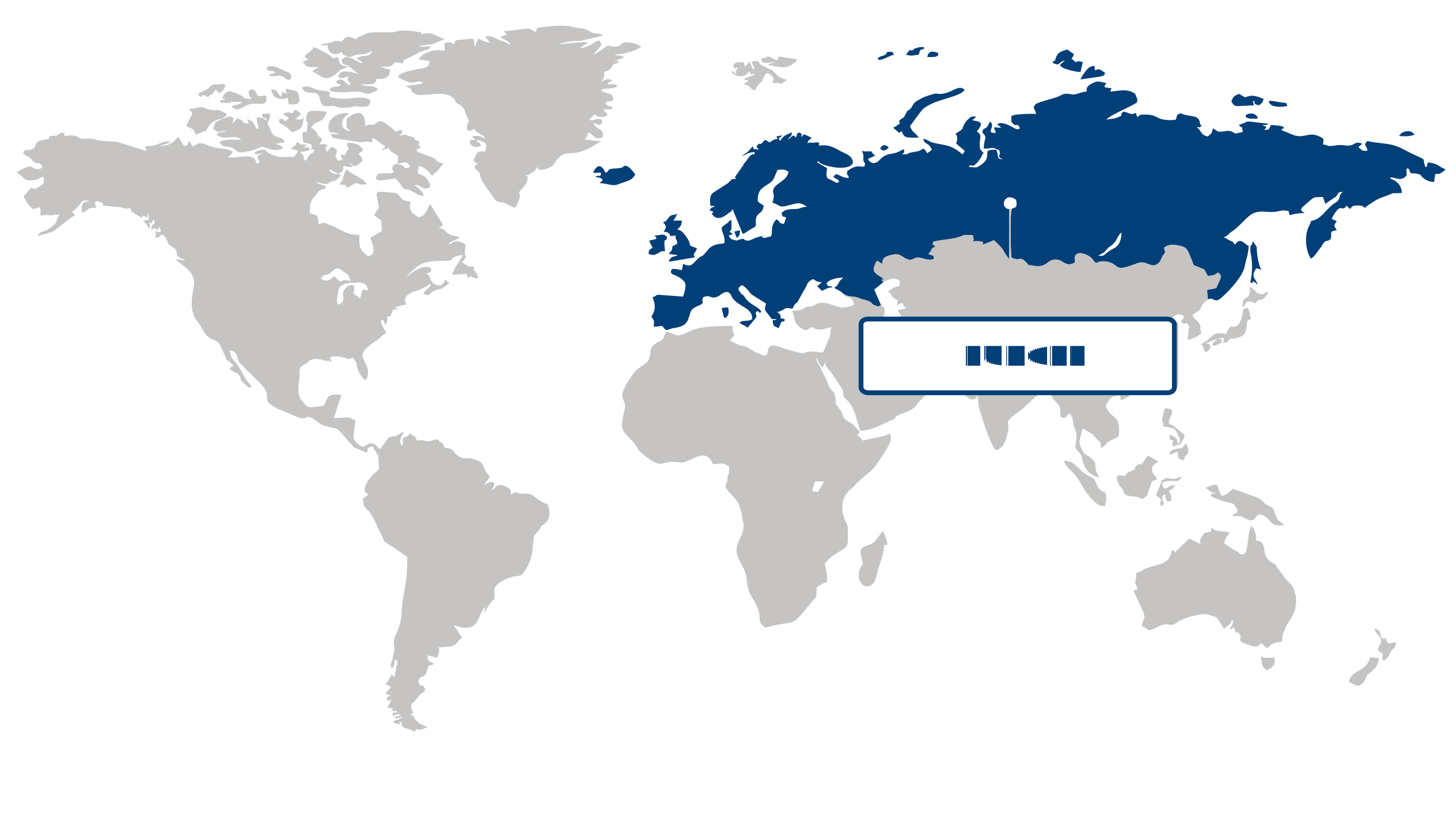
Europe (Largest Region)
Europe held the largest share of the low fat content kefir market in 2026, propelled by strong consumer awareness of fermented dairy products and growing demand for healthier, lower-fat food options. Consumers across the region are increasingly seeking products that combine nutritional benefits with convenient everyday consumption, supporting interest in low-fat kefir as part of balanced diets. Growing awareness of gut health, digestive wellness, and functional nutrition is further encouraging demand for fermented dairy beverages. The expansion of refrigerated retail channels, broader availability of functional dairy products, and continued innovation in low-fat and health-oriented formulations are also supporting market development across Europe.
Asia Pacific (Fastest-Growing Region)
Asia Pacific is expected to register the fastest growth in the low fat content kefir market during the forecast period, led by rising health consciousness, changing dietary habits, and growing awareness of fermented foods. Consumers are increasingly interested in products associated with digestive health, immunity, and balanced nutrition, creating opportunities for low-fat kefir across urban markets. Rising disposable incomes and expanding modern retail infrastructure are improving access to functional dairy beverages, while younger consumers are increasingly exploring international fermented food and beverage formats. Growing interest in healthier alternatives to conventional dairy products is expected to further support adoption across the region.
| Parameter | North America | Asia Pacific | Europe | Latin America | MEA |
|---|---|---|---|---|---|
| Innovation HubiScaleNascentDeveloping Advanced | |||||
| Cost-Sensitive RegioniScaleLowMedium High | |||||
| Regulatory EnvironmentiScaleRestrictiveNeutral Supportive | |||||
| Demand DriversiScaleWeakModerate Strong | |||||
| Development StageiScaleEmergingDeveloping Developed | |||||
| Adoption RateiScaleLowMedium High | |||||
| New Entrants / StartupsiScaleSparseModerate Dense | |||||
| Macro IndicatorsiScaleWeakStable Strong |
Key Country Insights
United States 🇺🇸
Functional Dairy AdoptionThe U.S. low fat content kefir market is supported by interest in convenient fermented dairy products with digestive and nutritional positioning. Brands are prioritizing approachable flavors, reduced-fat formulations, portable packaging, and clear functional claims to appeal to consumers seeking healthier everyday dairy choices without sacrificing taste.
Germany 🇩🇪
Gut Health PositioningGermany offers a strong environment for low fat content kefir products positioned around fermented nutrition and everyday wellness. Producers can emphasize simple formulations, recognizable ingredients, reduced-fat credentials, and refrigerated convenience, while flavor variety helps broaden kefir beyond traditional consumption occasions and attract more routine household use.
Japan 🇯🇵
Light Wellness FormatsJapan's low fat content kefir market favors convenient products that combine light texture with functional nutrition. Smaller serving formats, mild flavors, attractive packaging, and easy integration into breakfast or snack routines are commercially relevant, particularly as producers seek to make fermented dairy more accessible to health-conscious consumers.
South Korea 🇰🇷
Wellness Beverage IntegrationSouth Korea's market is shaped by demand for convenient wellness-oriented foods and beverages, creating scope for low fat kefir in modern retail and café-adjacent channels. Product developers can focus on drinkable formats, appealing flavors, compact packaging, and digestive-health positioning that fits active daily consumption patterns.
France 🇫🇷
Reduced-Fat FermentationFrance's kefir market can leverage established appreciation for fermented dairy while developing lighter formulations for contemporary consumption. Low fat products benefit from emphasis on natural taste, quality ingredients, balanced nutrition, and premium presentation, with producers able to target breakfast, snacking, and health-oriented refrigerated food occasions.
Italy 🇮🇹
Fresh Dairy WellnessItaly's low fat content kefir market aligns with demand for fresh, convenient dairy products that complement wellness-focused eating habits. Producers can differentiate through smooth textures, familiar fruit flavors, clean-label positioning, and convenient single-serve formats, while maintaining an appealing sensory profile remains important for repeat consumption.
Low Fat Content Kefir Market Share (%), by Fat Content, 2026
Go beyond the chart, access full insights & data tables
Request Free Sample ReportFat Content Segment Analysis: Non-fat (0–0.5% Fat) (Largest & Fastest-Growing Segment)
The non-fat (0–0.5% fat) segment accounted for a market share of 56.86% in 2026, reflecting strong consumer interest in kefir products that provide a lighter nutritional profile while retaining the characteristic fermented beverage attributes. Demand for non-fat kefir is supported by growing awareness of calorie-conscious diets, weight-management preferences, and the broader shift toward functional foods with perceived digestive and nutritional benefits. The segment is also benefiting from consumers seeking lower-fat alternatives without moving away from fermented dairy-based products, particularly as dietary preferences increasingly emphasize balanced nutrition and everyday wellness. Retail availability and the versatility of non-fat kefir for consumption as a standalone beverage or incorporation into smoothies, breakfast foods, and other preparations further support its market presence. These factors are expected to sustain the segment's leading position while also supporting its rapid expansion as manufacturers and consumers increasingly prioritize low-fat formulations.
Source Segment Analysis: Cow Milk (Largest Segment) vs Plant-based Alternatives. (Fastest-Growing Segment)
The cow milk segment accounted for a market share of 56.44% in 2026, supported by its established role as a conventional source for kefir production and its broad consumer familiarity. Cow milk provides a well-recognized base for fermented kefir products, with established processing practices and consumer acceptance supporting its continued prominence. Its widespread availability and compatibility with low-fat and non-fat formulations also enable producers to address demand for lighter fermented dairy beverages while maintaining the familiar characteristics associated with traditional kefir. Continued interest in fermented dairy products, coupled with established consumption habits and product accessibility, is expected to support the segment's strong market position.
The plant-based alternatives segment is expected to experience the fastest growth, driven by increasing consumer interest in dairy-free, flexitarian, vegan-friendly, and plant-derived food and beverage options. The expansion of plant-based alternatives is supported by evolving dietary preferences, greater awareness of lactose-related sensitivities, and demand for products perceived as offering greater flexibility across different lifestyles. Advances in plant-based formulations are also enabling kefir-style beverages to provide fermentation characteristics while using alternative ingredient sources, broadening their appeal beyond traditional dairy consumers. Growing innovation in functional and fermented plant-based beverages, together with expanding retail availability and consumer experimentation with alternative sources, is expected to accelerate adoption of plant-based alternatives in the low fat content kefir market.
Packaging Type Segment Analysis: Bottles (Largest & Fastest-Growing Segment)
The bottles segment accounted for a market share of 40.82% in 2026, reflecting the suitability of bottled packaging for convenient storage, transportation, retail display, and ready-to-consume consumption. Bottles provide a practical format for liquid fermented beverages, allowing consumers to incorporate kefir into daily routines while supporting portion control and convenient handling. The format is particularly compatible with chilled beverage distribution and on-the-go consumption, which aligns with growing demand for convenient functional foods and beverages. Bottled kefir can also be presented in a range of sizes and formats suited to different consumption occasions, supporting broader accessibility across retail and foodservice channels. These advantages, alongside the growing preference for convenient packaged beverages and expanding interest in fermented wellness products, are expected to reinforce bottles as both the largest and fastest-growing packaging type.
| Segment | Sub-Segment | Largest Segment | Fastest Growing |
|---|---|---|---|
| Fat Content | Non-fat (0–0.5% Fat), Low-fat (1–2% Fat), Reduced-fat (2–3% Fat), Others | Non-fat (0–0.5% Fat) | Non-fat (0–0.5% Fat) |
| Source | Cow Milk, Goat Milk, Sheep Milk, Plant-based Alternatives., Others | Cow Milk | Plant-based Alternatives. |
| Packaging Type | Bottles, Pouches, Tetra Packs, Cups & Tubs, Others | Bottles | Bottles |
| Application | Breakfast, Snacking, Post-workout, Dessert Alternative, Cooking & Recipe Ingredient, Others | Breakfast | Snacking |
| Product Type | Plain/unflavored, Flavored, Organic, Conventional, Greek-style, Frozen, Others | Flavored | Flavored |
| Distribution Channel | Supermarkets & Hypermarkets, Convenience Stores, Specialty Stores, Online Retail, Foodservice, Direct Sales, Others | Supermarkets & Hypermarkets | Online Retail |
Unlock insights tailored to your business with our bespoke market research solutions.
Click to get your customized report now.
Competitive Landscape and Market Positioning
Analyst Perspective:
Success in the low fat content kefir market hinges on reconciling nutritional positioning with the sensory qualities and live-culture characteristics consumers expect from fermented dairy products. Fat reduction can compromise perceived creaminess and alter product stability, making fermentation control and formulation expertise important for maintaining texture, flavor balance, and consistent quality. Probiotic viability adds another layer of differentiation, requiring manufacturers to preserve appropriate culture levels throughout refrigerated storage without overstating associated health benefits. Meanwhile, reduced-sugar formulations and clean-label ingredient choices must deliver acceptable sweetness and manage kefir's characteristic acidity. Shelf-life performance further influences distribution efficiency and product waste, placing emphasis on packaging, cold-chain reliability, and validated stability. Collectively, these factors determine whether nutritional advantages translate into sustained consumer appeal.
Major players in the low fat content kefir market:
- Lifeway Foods (USA)
- Danone (France)
- Nestlé (Switzerland)
- Hain Celestial (USA)
- General Mills (USA)
- Maple Hill Creamery (USA)
- Green Valley Creamery (USA)
- Yeo Valley (UK)
- Emmi AG (Switzerland)
- Icelandic Milk & Skyr (USA)
| Company | Market Share | Company Revenue | Revenue CAGR (%) | Product Portfolio | Geographic Presence | Innovation / R&D Focus | Strategic Developments |
|---|---|---|---|---|---|---|---|
| Lifeway Foods (USA) | |||||||
| Danone (France) | |||||||
| Nestlé (Switzerland) | |||||||
| Hain Celestial (USA) | |||||||
| General Mills (USA) | |||||||
| Maple Hill Creamery (USA) | |||||||
| Green Valley Creamery (USA) | |||||||
| Yeo Valley (UK) | |||||||
| Emmi AG (Switzerland) | |||||||
| Icelandic Milk & Skyr (USA) |
Industry Development/News
| Company Name | Date | Key Development |
|---|---|---|
| Danone | September 2023 | Danone signed a joint business development plan with bioscience company Chr. Hansen to advance innovation in the dairy and plant-based sectors. The initiative utilizes Chr. Hansen's advanced bio-solutions capabilities and leverages both companies' extensive culture collections to expand product development boundaries. |
| Biotiful Dairy Ltd. | May 2021 | Biotiful Dairy Ltd. expanded its product portfolio in the United Kingdom with the launch of Kefir + Coffee, a cold brew coffee infused with gut-friendly kefir. Crafted using British milk without added sugar, the on-the-go functional beverage is offered in mocha and latte variants to provide natural energy and immune support. |
Customize Your Report
Explore examples of how this report can be tailored to different research needs, including custom segments, additional topics or chapters, and related reports. Click a section of the wheel or its numbered marker to explore the available options.
Low Fat Content Kefir Market — Custom Segments
| Segment | Sub-Segment |
|---|---|
| Consumer Age Group | Children, Adults, Older adults |
| Retail Price Tier | Economy, Mid-range, Premium |
| Consumer Dietary Preference | Lactose-reduced/lactose-free, High-protein, Plant-based, Standard dairy |
Low Fat Content Kefir Market — Custom TOC
| Custom Chapter | Chapter Details |
|---|---|
| Consumer Health Positioning & Purchase Drivers |
|
| Retail Channel Expansion Strategy |
|
| Emerging Flavor & Format Opportunities |
|
Need a different cut of the data?
Request Custom ResearchFrequently Asked Questions
How much revenue does the low fat content kefir market generate?
What are the growth projections for the low fat content kefir industry?
How is demand for functional dairy products supporting low fat content kefir consumption?
How are formulation innovation and expanding distribution shaping the low fat content kefir market?
Why do non-fat kefir products lead the low fat content kefir market?
What is driving the growth of plant-based alternatives in the low fat content kefir market?
Why does Europe lead the low fat content kefir market?
What is driving the fastest growth in Asia Pacific's low fat content kefir market?
Which companies are driving growth in the low fat content kefir landscape?
Our Clients
"The report provided a thorough look at market trends, technological advancements, and the competitive landscape. The depth of insights was really valuable."
ITC Limited
"We would highly recommend Fundamental Business Insights & Consulting to anyone looking for reliable, detailed, and comprehensive market research in the Food industry."
Tyson Foods
"The clarity and presentation of the information were commendable. The report was delivered timely, which made the overall experience smooth and convenient."
Mondelēz International
Our Research Team & Methodology
Every Fundamental Business Insights report is built by a dedicated vertical research team, validated through a structured primary-and-secondary methodology, and reviewed for accuracy before it reaches you.
This report was prepared by the Food & Beverage Research Team at Fundamental Business Insights, a dedicated research group specializing in the global food, beverage, ingredients, and food processing industries. Our analysts continuously monitor evolving consumer preferences, product innovation, ingredient developments, food safety regulations, manufacturing technologies, supply chain dynamics, pricing trends, sustainability initiatives, and changing retail and foodservice landscapes to deliver timely and reliable market intelligence. The research is developed using a structured methodology that combines primary discussions with food manufacturers, ingredient suppliers, distributors, retailers, industry experts, and other key stakeholders, along with company annual reports, regulatory publications, government trade statistics, food safety authorities, industry associations, technical publications, and other authoritative secondary sources. Market estimates are validated through multiple research techniques, including top-down and bottom-up analysis, before undergoing an internal quality review to ensure accuracy, consistency, and methodological integrity prior to publication.
Delivery
Published
Available
Support
- Market Size & Forecast
- Market Segmentation
- Regional Analysis
- Growth Drivers & Challenges
- Market Dynamics
- Competitive Landscape
- Company Profiles
- Competitive Benchmarking
- Mergers & Acquisitions
- Market Share Analysis or Key Company Strategies
- Value Chain Analysis
- Porter's Five Forces
- PESTLE Analysis
- Pricing Trends
- Supply-Demand Analysis
- Technology Landscape
- Regulatory Landscape
- Investment & Funding Landscape
- Emerging Opportunities
- Future Market Outlook